Uncategorized

automation tool

7 Best Automation Tools of 2026 to Save Time and Scale Faster

Why automation matters now In the year 2026, the pace of work will outgrow manual, copy-and-paste routines. Teams now face common challenges: leads from multiple sources, files scattered across folders, and messages spread over various apps. Automating repetitive tasks allows us to focus on higher-value work such as problem-solving, creativity, customer service, and informed decision-making. Automation also serves as a safety net, reducing errors such as missed follow-ups, incorrect invoices, overlooked reminders, and disorganized spreadsheets. Effective automation tools not only save time but also create a more organized workflow, ensuring tasks are completed accurately and on schedule. 7 Best Automation Tools of 2026 1) Zapier Zapier remains the most accessible platform for connecting apps and building workflows, particularly for non-technical teams. It enables users to automate actions across thousands of apps and now supports AI workflows and agents for more advanced tasks. (Zapier) Best for: marketing, sales, founders, small teams Quick-use idea: When a lead submits a form, enrich the data, send it to the CRM, notify the team in Slack, and create a follow-up task.   2) Make (Make.com) Make is ideal for those seeking greater control and visual clarity. Its visual builder allows users to design multi-step scenarios, incorporate logic, and integrate AI within workflows. (Make) Best for: operations, agencies, advanced no-code builders Quick-use idea: Retrieve emails, extract key data, create a structured record, and route it to the appropriate recipient.   3) n8n n8n is preferred by technical teams for its flexibility and support for custom logic. It allows self-hosting for greater control over data and infrastructure, and is designed for multi-step workflows, including those that use AI. (n8n) Best for: dev teams, privacy-focused teams, automations with custom code Quick-use idea: Convert natural language requests into API calls and execute actions across multiple tools.   4) Microsoft Power Automate: It excels in organizations that rely on Microsoft products. It supports both cloud and desktop flows, enabling automation of repetitive desktop tasks when web automation is insufficient. (Microsoft Learn) Best for: teams using Microsoft 365, Outlook, Teams, and Excel Quick-use idea: Automatically save email attachments, rename them, move them to SharePoint, and send an alert to the appropriate channel.   5) Airtable Automations Airtable combines database functionality with simple workflows. Its automation features use triggers and actions, transforming a static table into a dynamic system. (Airtable Support) Best for: content pipelines, CRM lite setups, project tracking Quick-use idea: When a record is marked as “Approved,” notify the assignee and generate the next steps.   6) UiPath UiPath is designed for robotic process automation, enabling software robots to manage rule-based, repetitive tasks across systems. It is especially effective in larger organizations with complex processes. (UiPath) Best for: enterprises, finance ops, HR ops, high-volume back office work Quick-use idea: Extract data from documents and automatically update several systems.   7) IFTTT IFTIFTTT offers a simple yet powerful solution for personal and small business automation. It connects apps and devices using “Applets” that link triggers and actions. (IFTTT) Best for: creators, solopreneurs, smart home + work automations Quick use idea: Save social posts to a spreadsheet, or trigger reminders when calendar events start. For those starting out, Zapier offers the quickest results. For more advanced scenarios with logic, Make is an excellent next step. If self-hosting and developer control are priorities, n8n is a strong option. For teams deeply integrated with Microsoft, Power Automate is the natural choice. The best automation tool is not the most complex, but the one that consistently supports your workflow.

7 Best Automation Tools of 2026 to Save Time and Scale Faster Read More »
7 Best AI Tools of 2026 for Fashion, Interior and Designing

Introduction Fashion and interiors are both personal issues, we have our own unique choices and preferences.  What we wear and how we shape our space quietly tell our story. That is why a good design decision feels like relief. It feels like finally seeing ourselves clearly, whether it is a room makeover or a new collection. In 2026, AI enables us to preview options before investing resources. We can test colours, layouts, furniture, styling, and marketing visuals efficiently. The aim is not to replace human taste, but to minimize waste and regret, allowing for confident decision-making. What we look for in 2026 • Realistic, photo-based redesigns• Rapid exploration of multiple style directions• Tools that help present options to clients• Support for staging and product visualization• Practical export features and workflow support The 7 best AI tools of 2026 for fashion, interior, and design 1) REimagineHome REimagineHome offers AI-powered interior design and virtual staging, with smart features for restyling rooms, swapping furniture, and staging empty spaces. Its strength is transforming spaces quickly for listing photos, furnished rooms, or fast design variations. Quick tip: Generate only two styles, safe and bold, then make your selection. 2) Interior AI Interior AI lets users upload a room photo, pick a specific style, and instantly view realistic redesigns. This makes it easy to test multiple looks rapidly, focusing on speed and direct style comparison. Best for: homeowners and quick style exploration Quick tip: Use the same photo and compare three results in the same style before considering other directions. 3) RoomGPT RoomGPT enables users to redesign a room using a single photo, providing fast, straightforward ideas without additional technical steps or setup, making it especially useful as an entry point for inspiration. (roomGPT.io)Best for: quick inspiration and beginners Quick tip: Use RoomGPT initially for direction, then transition to a more advanced tool for final visuals. 4) Homestyler AI Homestyler enables AI-assisted room design and full 3D interior workflows. It stands out by offering hands-on controls, so you can customize beyond simple image edits, making it ideal for those who want to fine-tune every element. (Homestyler) Best for: detailed interior planning and 3D design fans. Quick tip: Let AI generate the initial layout, then refine furniture choices manually. 5) Planner 5D AI Interior Design Planner 5D delivers AI-powered interior planning and detailed 3D visualization tools. It is strong in actionable layout planning and understanding spatial relationships, supporting projects from initial layouts to immersive walkthroughs. (Planner 5D) Best for: layout planning, floor plans, and 3D walkthroughs. Quick tip: Focus on function, walking space, storage, and lighting before decorating. 6) Canva Dream Lab (for design visuals and presentations) Canva’s AI image generator, DrCanva’s AI image generator, and Dream Lab enable rapid creation of supporting visuals, mood boards, and presentation assets for clients and content. (Canva)ions, marketing creatives Quick tip: Create a single client presentation template and reuse it to maintain a professional appearance. Mercer is an all-in-one fashion platform integrating design, production, and logistics workflows for brands. Unlike image-based tools, Mercer streamlines the entire creation process, serving brands that manage operations and design. (Mercer) Best for: fashion brands and designers overseeing production workflows Quick tip: Rely on AI visuals for early concepts and finalize specs promptly to minimize costly changes. Quick tool selection guide • Fast virtual staging: REimagineHome (Reimagine Home)• Quick room restyles: Interior AI or RoomGPT (Interior AI)• Greater control and 3D planning: Homestyler or Planner 5D (Homestyler)• Presentations and mood boards: Canva (Canva)• Fashion operations: Mercer (Mercer)  A straightforward workflow to follow   1. Upload a photo of the actual room or product concept 2. Generate only two styles: safe and bold 3. P3. Select one direction and refine details such as colours, materials, and lighting. Build a mood board and a simple budget list 5. Present options clearly, then commit to a decision and execute Mini FAQ Can AI replace an interior designer or fashion designer?AI helps eliminate indecision, but cannot replace human taste, context, or understanding. How do we avoid choice overload?Limit styles, limit outputs, and decide fast. Too many options make us stuck. Closing The greatest benefit of AI in design is the clarity it provides. By letting us preview outcomes before we commit, AI supports more confident, less risky choices in both fashion and interiors. Instead of making us dependent, it gives us a clearer vision of what truly fits our taste and purpose.  

7 Best AI Tools of 2026 for Fashion, Interior and Designing Read More »
Best AI Tools for Animation in 2026: From Script to Cartoon

Cartoons are powerful for storytelling, amplifying emotion, simplifying reality, and evoking laughter or tears beyond live action. Animation helps a character grow into a brand, a series, or a business. Despite its creative appeal, animation has traditionally been time-consuming and labour-intensive. With tasks such as rigging, lip sync, motion cleanup, and scene building, creators often faced long lead times before the story even began. Thankfully, 2026 marks a turning point: AI is making animation accessible for solo creators and small teams. We can now quickly prototype scenes, generate clips, and capture motion without costly equipment, then refine our work with our expertise. Let us explore what to consider when choosing tools in this new landscape. What we look for in 2026 • Consistent shots and controllable motion • Fast short-clip generation • Tools for character performance • Easy export to editing • Support for 2D and 3D creators The 7 best AI tools of 2026 for cartoons and animation 1) Runway Runway is an AI-powered video generation platform designed for fast, cinematic shot creation and creative experimentation. It is ideal for producing short cinematic clips, visual tests, and scene ideas. To get the best results, generate short clips and combine them—breaking them into smaller segments makes refinement easier. 2) Pika Pika focuses on idea-to-video creation and playful effects, which fit cartoon-style content and social video well. Best for: fun cartoon shots, expressive edits, social clips Quick tip: Start by animating a single, impactful image, then develop the scene around it. 3) Luma Dream Machine Luma Dream Machine is designed for AI video creation with strong motion and a cinematic camera feeling, great for animated sequences. Best for: camera moves, cinematic motion tests Quick tip: Give director-like directions, such as a wide shot, a dolly in, or a slow pan. 4) Autodesk Flow Studio (formerly Wonder Studio) Autodesk Flow Studio (formerly Wonder Studio) is a cloud-based AI toolset that converts live action footage into editable CG scenes, ideal for hybrid animation and VFX work. It is best for integrating CG characters into real footage. For improved tracking accuracy, use well-lit, high-quality footage. Best for: placing CG characters into real footage Quick tip: Use well-lit, high-quality footage to improve tracking. 5) DeepMotion Animate 3D DeepMotion Animate 3D is an AI-driven platform that turns standard videos into 3D animations with motion capture—no suit required. It is optimal for 3D character motion, game animation, and indie productions. Ensure the entire body is visible, with clear contrast and minimal background distractions for optimal performance. Best for: 3D character motion, game animation, indie production Quick tip: Show the full body in frame, with clear contrast and minimal distractions. 6) Adobe Character Animator Adobe Character Animator uses webcam and microphone performance to drive characters, including automatic lip-syncing and face tracking, making it perfect for talking cartoons and shows. Best for: talking head cartoons, streaming characters, explainers Quick tip: Reuse a puppet to maintain consistency across episodes. 7) LTX Studio LTX Studio is an all-in-one AI video production suite that integrates scripting, storyboarding, and generation workflows for creators. It is most effective for planning scenes, rapid storyboarding, and converting ideas into sequences. Use the tool during pre-production and generate only essential shots. Best for: planning scenes, storyboarding fast, and turning ideas into sequences Quick tip: Use in pre-production; generate only essential shots. Quick tool picker • Quick AI shots: Runway or Pika • Cinematic motion: Luma • 3D character motion: DeepMotion • Talking cartoon performances: Character Animator • Script to storyboard: LTX Studio A simple workflow we can follow Write a 6-scene script, each scene 5 seconds. Create a consistent character using references Generate shots in Runway, Pika, or Luma Add performance with Character Animator or DeepMotion Edit, add sound, and publish as shorts or episodes. Mini FAQ Will AI video replace real animation? No. AI accelerates the drafting process, but high-quality animation still requires strong timing. AI is restoring accessibility to animation. When creators see what is possible, they are motivated to take the leap. This new era empowers storytellers everywhere to realize their visions. When creators see what is possible, they are motivated to take the leap. This new era empowers storytellers everywhere to realize their visions.

Best AI Tools for Animation in 2026: From Script to Cartoon Read More »

ai music

AI Music in 2026: 7 Tools for Lyrics, Demos, and Full Songs

Introduction Music is where we get lost and where we heal. A chorus can carry what we cannot say in a conversation. A beat can change the mood of an entire room. That is why creating music is so personal, and sometimes so frustrating, because our feelings move faster than our production skills. In 2026, AI music tools are helping us bridge that gap. We can draft a song idea in minutes, test melodies, build background tracks, and get lyric suggestions when the mind goes blank. Used the right way, AI becomes our sketchbook. The final song still needs our choices, our voice, and our honesty. What we look for in 2026 Speed for idea generation Editing flexibility, not just one click results Clear licensing terms for commercial work Tools that help songwriting, not only sound Export options that fit real workflows The 7 best AI tools of 2026 for music 1) Suno Suno is built to generate full songs quickly, which makes it powerful for demos and quick creative experiments. Best for: full song drafts, quick inspiration Quick tip: Give a simple story in your prompt, not just a genre. 2) Udio Udio is another popular AI music generator that helps create and explore songs fast, with its own sound character and community sharing. Best for: alternate versions, genre experiments Quick tip: Generate 3 versions and keep only the best 15 seconds, then rebuild around it. 3) AIVA AIVA is great for instrumental composition, especially when we need cinematic or background music that feels structured and complete. Best for: film style instrumentals, game music, focus music Quick tip: Use AIVA for arrangement, then add your own lead melody on top. 4) SOUNDRAW SOUNDRAW focuses on royalty free music creation and customization, designed for creators who need safe background tracks for content. Best for: YouTube, ads, podcasts, content music Quick tip: Match energy to scenes. Intro low, middle steady, ending lift. 5) BandLab SongStarter BandLab SongStarter is a quick “get unstuck” tool that generates musical ideas when we have zero direction. Best for: breaking writer’s block Quick tip: Treat it like a spark, then rewrite the hook in your own voice. 6) Boomy Boomy is friendly for beginners and rapid creation. It’s useful when we want many drafts fast and then choose what deserves real production time. Best for: beginners, quick drafts, experimentation Quick tip: Export and remix in your DAW so it sounds like you. 7) LyricStudio LyricStudio helps with lyric ideas, rhyme suggestions, and songwriting structure so we can keep momentum when the pen stops moving. Best for: writing verses, hooks, rewrites Quick tip: Feed it your own lines first so suggestions match your tone. Quick tool picker Full demo fast: Suno or Udio Instrumental scoring: AIVA Safe creator background music: SOUNDRAW Lyrics and hooks: LyricStudio A simple workflow we can follow Start with a theme line (what the song is about) Draft melody or full demo in Suno or Udio Write or rewrite lyrics with LyricStudio Replace or polish backing with AIVA or SOUNDRAW Record our own vocals and finalize in a DAW Mini FAQ Is AI music safe for commercial use? It depends on the tool and plan, so always check licensing. SOUNDRAW highlights its licensing approach clearly. How to we keep it original? Use AI for drafts, then rewrite lyrics, change arrangement, and record your own performance. Closing remarks The best AI music tool is the one that helps us start. Once we start, our taste and emotion do the heavy lifting.

AI Music in 2026: 7 Tools for Lyrics, Demos, and Full Songs Read More »
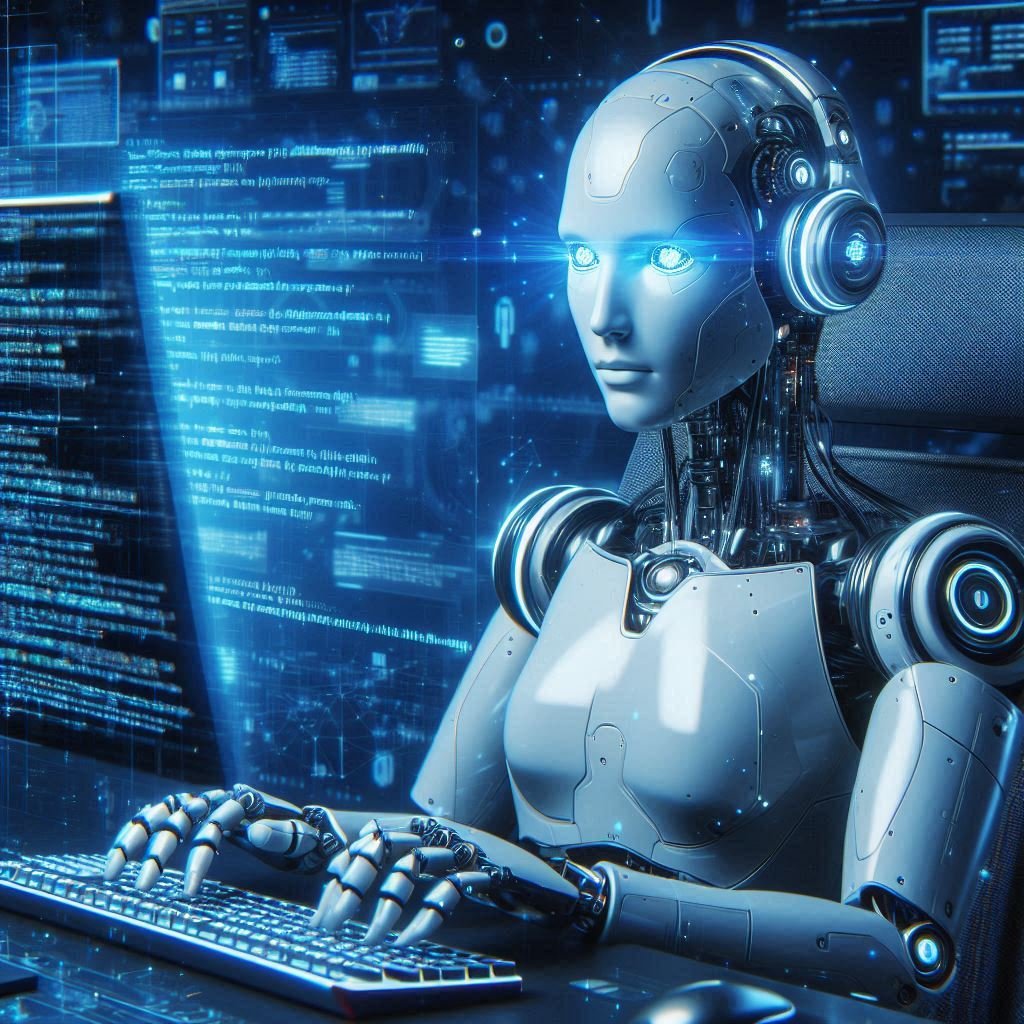
7 best ai tool

7 Best AI Art Tools of 2026 for Creators Who Want Better Visuals

Introduction Art let the people make them feel something instantly. A thumbnail, poster, brand visual, or even a quick sketch can catch someone’s eye and draw them in. By 2026, visuals are not optional. They are the first impression for our content, products, and personal brand. AI art tools are important because they speed up the process without taking away creativity. We can try out ideas faster, test styles safely, and quickly fix things like text, backgrounds, lighting, and layout. When we use AI thoughtfully, we do not lose creativity, we gain consistency, confidence, and freedom. What we look for in 2026 • Good prompt following, so we struggle less • Clean typography, because text on images is real work now • Editing support, not just generating from scratch • Brand consistency, so our visuals look like “us.” • Commercial-friendly workflows when we create for clients The 7 best AI tools of 2026 for art 1) ChatGPT image generation (GPT 4o Images) ChatGPT makes creating images feel like having a conversation. We can generate images and refine them using everyday language, including making edits and variations. This is great when we know the look we want but can’t put it into one perfect prompt. (OpenAI Help Center) Best for: fast iterations, marketing visuals, ideation Quick tip: Ask for 4 variations, pick one, then say, “Keep everything, only change lighting and color mood.” 2) Midjourney Midjourney remains a leading option for artistic style, strong visual impact, and cinematic results. We recommend it when visual beauty takes priority over exact details. (Midjourney) Best for: concept art, stylized portraits, posters Quick tip: Create a personal moodboard to help your outputs develop a recognizable signature. 3) Adobe Firefly Firefly offers creative control and fits seamlessly into professional design workflows. It excels at editing—removing, adding, or expanding image elements—without requiring users to start over. (Adobe) Best for: commercial design work, brand assets, photo edits Quick tip: Use Firefly for cleanup and expansion before moving to heavier layout tasks. 4) Ideogram Ideogram stands out for its strong text and layout in images. It’s perfect for posters, ads, thumbnails, and quote designs where typography needs to look just right. (Ideogram) Best for: posters, ads, typography, heavy graphics Quick tip: Keep text short and specify style like “bold modern font, centered, high contrast.” 5) Recraft Recraft is designed for users who need outputs ready for immediate use, such as vector exports (SVG), making it ideal for logos, icons, and scalable brand visuals. (Recraft) Best for: logos, icons, vector art, brand kits Quick tip: Generate in vector first, then fine-tune colors to match the brand palette. 6) Leonardo AI Leonardo AI is great for creating production-style assets and experimenting with images and visual workflows. (Leonardo AI) Best for: characters, illustration sets, consistent assets Quick tip: Save your best prompt structure and reuse it like a recipe. 7) FLUX by Black Forest Labs FLUX models are known for their control and support for step-by-step editing. They’re helpful when we need precision and consistency across different versions. (Black Forest Labs) Best for: iterative edits, creators who tweak a lot Quick tip: Work step by step. First, composition; then, lighting; then, details. Quick tool picker • We want the most artistic look: Midjourney • We want chat-based edits and fast variations: ChatGPT Images • We want safe design workflow editing: Firefly • We want clean text in images: Ideogram • We want vectors and logo style assets: Recraft A simple workflow we can follow Write the message in one line (what the image must communicate) Generate 4 options in one tool Move the best option into a second tool for cleanup or typography Export in the sizes we need (post, story, thumbnail, banner) Save the prompt and settings so we can repeat the style next week Mini FAQ Do AI art tools replace artists? No. They replace repetitive steps. Taste, story, and final polish still come from us. How do we avoid “generic” AI visuals? Use consistent style references and build a personal prompt recipe. To conclude In 2026, speed matters, but identity matters even more. The best tool is the one that keeps our style while saving us time.

7 Best AI Art Tools of 2026 for Creators Who Want Better Visuals Read More »

ai

The Human Brain as a Blueprint for Artificial Intelligence (AI)

Artificial intelligence may seem futuristic, but it is, in fact, based on the human brain. Scientists have long studied how our brains learn and adapt, and have worked to replicate these processes in machines. In a sense, the story of AI is how we learn about ourselves. Learning from the brain Neuroscientist Suzana Herculano-Houzel found that the human brain contains about 86 billion neurons. Neurons are specialized cells that transmit electrical and chemical signals to one another, forming networks that enable us to see, hear, speak, remember, and make decisions. AI uses this idea by creating artificial neural networks. These are computer systems designed to copy how real neurons share information. Each artificial neuron, or node, takes in information, processes it, and sends the result to other nodes. When many layers of these nodes are combined, the system is called “deep learning“. A major study in Nature Neuroscience found that deep neural networks trained for image recognition develop patterns similar to those in the human visual cortex. This shows that AI models can not only be inspired by the brain but also behave similarly to it. How machines learn like humans Humans learn by experiencing things, getting feedback, and practicing. For example, a child learns to walk by falling, making changes, and trying again. AI learns in a similar way through a process called training. Stanford University researchers showed that reinforcement learning, in which AI learns from rewards and penalties, is like dopamine-based learning in our brains. This type of learning is now used in robotics, games, and financial systems. But there is a key difference: our brains learn with little data and energy, while AI needs much more. This drives research to make AI more brain-like. Memory and pattern recognition The human brain is excellent at pattern recognition. We can recognize faces, voices, and emotions even in noisy conditions. AI systems trained on large datasets now perform similar tasks, like facial and speech recognition. MIT researchers found that convolutional neural networks (CNNs), a type of AI model, handle visual information in layers, much like the human brain does. The first layers in a CNN detect basic features such as edges and shapes, while deeper layers identify objects and faces. This way of processing comes directly from neuroscience. Thinking without consciousness Even with these similarities, AI does not think like people. Our brains have consciousness, emotions, and experiences. AI works with probabilities and math to solve problems. Neuroscientist Antonio Damasio says emotions are crucial in how people decide. AI lacks this emotional sense and only detects patterns, not meaning. This is why people worry about using AI in sensitive areas like policing, healthcare, or hiring. Why neuroscience still matters for AI The future of AI relies on advances in brain science. Projects like the Human Brain Project in Europe and the BRAIN Initiative in the US aim to map the brain in detail. Their findings may help create more adaptable, energy-efficient, and trustworthy AI. Researchers are now looking into neuromorphic computing. This means building computer hardware that works more like the brain than traditional hardware. Early studies show that brain-inspired systems can use much less power while still learning. What this means for us When we call the brain a blueprint for AI, we do not mean machines will replace people. Instead, by understanding our intelligence, we can make better tools. AI shows our curiosity about how we think, learn, and make choices. As we learn more about the brain, AI will better match human needs and values. Studying AI also helps brain scientists test their ideas about how the brain works. Closing thought AI reflects our biology and imagination. The human brain remains the most powerful intelligence we know, and AI is a tool to help us learn from it. If we approach AI with humility and responsibility, guided by neuroscience and ethics, it can support human progress—not replace us.

The Human Brain as a Blueprint for Artificial Intelligence (AI) Read More »
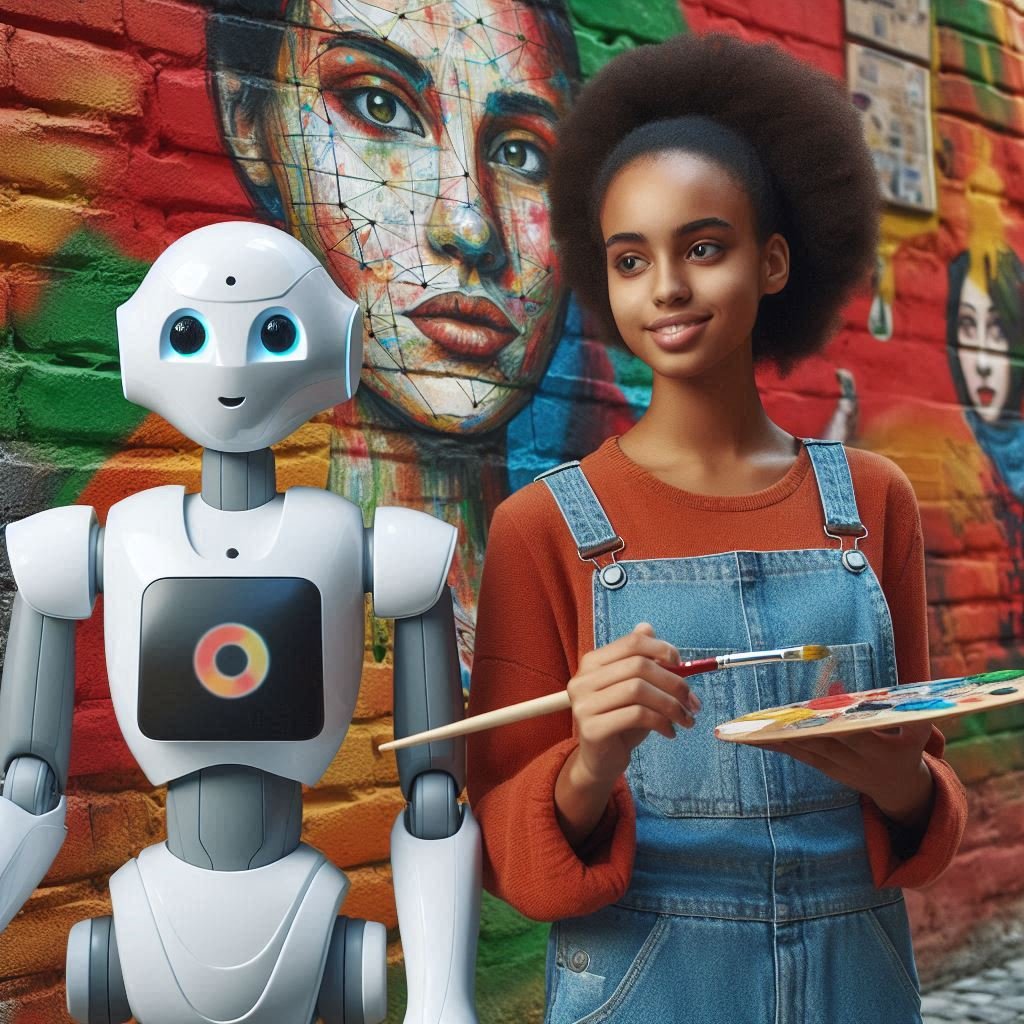
anurag goel

Healthcare@2035: Healing in the Age of Intelligence

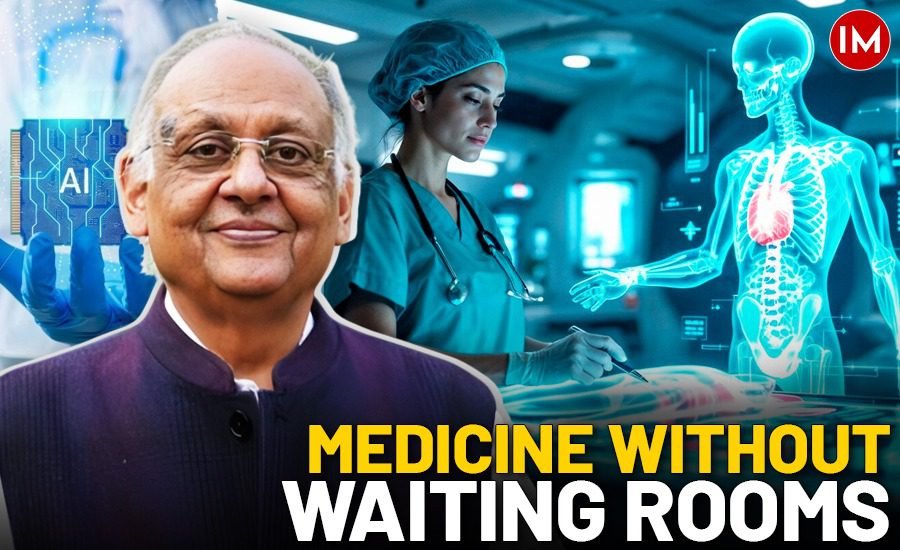
Healthcare in 2035 will shift from treating disease to building lifelong health. AI will empower—not replace—doctors, while most care will move into homes and virtual clinics. The winning healthcare systems will combine machine intelligence with deep human empathy. Introduction Healthcare in 2035 will feel very different from what we know today. Hospitals will not be the centre of the system. Patients will not wait for hours. Doctors will not drown in paperwork. And diseases will no longer strike without warning. The real change will not be in machines or gadgets, but in the mindset — a shift from treating illness to building health. AI, biotechnology, genomics, robotics and new forms of medical education will quietly weave themselves into everyday life, creating a system that is fast, smart, affordable, and deeply human. AI-Powered Doctors When doctors talk about AI, they do not want a robot to replace them. What they want is freedom from routine and time-consuming tasks. A doctor wants a capable assistant who can take down a patient’s full history in detail, access old records, and present everything clearly and briefly. It helps if a junior doctor can quickly scan through diagnostic reports and offer tentative diagnosis and possible treatment options. They want strong hospital and surgical support whenever required, and they want continuous medical education that keeps them updated with the latest therapies and technologies. AI can now support every one of these needs. It listens, summarises, compares past cases, scans reports, offers possibilities and flags risks. It does not replace the doctor’s judgment; it strengthens it. The doctor’s real work again becomes what it always should have been: understanding people, reassuring families and guiding healing. AI-Powered Hospitals Hospitals today often suffer from delays, queues and repeated tests. The first stage of transformation will fix these problems. Appointments will be easy, waiting will almost disappear, and every doctor will get a patient’s complete record on a screen — with an AI summary of key issues, diagnosis possibilities and a draft prescription that can be corrected on the spot. But the real shift will come in the second stage. Hospitals will redefine themselves as centres for critical care only, while most routine healthcare will move to homes, neighbourhood booths and virtual clinics. Senior clinicians agree that the future hospital will be smaller, smarter and more focused on emergencies, surgeries and complex cases. Everything else will be handled outside, seamlessly connected by a fast digital backbone. In simple words, the entire system of patients, doctors and hospitals will function like one intelligent network that learns continuously and responds instantly. Diagnostics, Surgery Redefined Diagnostics will be one of the greatest beneficiaries of AI. Medical images, lab results and even genomic data (available from birth), will be analysed with near-perfect accuracy. Diseases that look similar to the human eye will be sharply distinguished by algorithms. Microbiome analysis will guide personalised diets. Wearables will track vitals continuously. Neighbourhood “Health Booths” will offer quick tests, basic scans and instant AI interpretation. Hospitals will provide advanced versions of these tools, but the principles will be the same everywhere: detect early, act early and prevent serious illness. Surgeries will be transformed into highly intelligent, precision-driven procedures. Operating rooms will be equipped with robotic systems that move with sub-millimetre accuracy, guided by AI that will map every vessel and risk zone from a patient’s digital twin. Surgeons will enter the theatre with the safest approach already simulated hundreds of times, and AI will continuously highlight critical structures and warn of complications in real time. Remote surgery will also be routine, allowing top specialists to operate in district and rural hospitals without patients needing to travel. Research, Longevity, Medical Education Drug development is already being transformed by AI. What once took years of study and laboratory trials can now begin with AI tools that predict protein structures, simulate molecules and identify promising drug candidates in weeks. Research, supercharged by AI and quantum computing, can make thirties the decade of miracle cures, including for diseases like cancer and dementia. Humanity will step into an era of radical longevity, where aging will be treated as a reversible medical condition rather than an unavoidable fate. Advances in gene editing, stem-cell therapies, nanotechnology and organ bio-printing will be slowing, halting and even reversing cellular aging. Scientists are already speaking of longevity escape velocity —adding years to life faster than the body ages— and death becoming optional by 2045. In their book “The Death of Death”, José Luis Cordeiro and David Wood argue that repairing damaged cells, replacing failing organs and lengthening telomeres could make extended, healthy lifespans a scientific reality within our lifetime. By 2035, medical education will be reshaped by intelligent systems that turn every student into a personalized learner, in sync with Education @2035. Entire campuses will be connected through seamless digital platforms, while AI tutors will guide each learner at their own pace, strengthening weak areas and advancing strong ones. Faculty will teach with AI-powered tools that will simplify complex concepts, and ensure students master both scientific knowledge and clinical judgement. Students will learn anatomy through virtual dissections, practice surgeries on simulations and attend global medical colleges without traveling. Learning will not be restricted to classrooms; it will be continuous, adaptive, and tailored to the abilities, interests, and future specializations of every student. Healthcare Systems Healthcare systems will be centred on the human being, not the institution. Treatment plans will be personalised using genomics. Wearables and home sensors will provide gentle alerts long before symptoms appear. Virtual doctors will handle routine consultations, while human doctors focus on complex cases. Most healthcare will happen at home. Smart devices will monitor essential parameters day and night. Telemedicine will link patients to experts instantly. Only critical care will go to hospitals, which will become highly automated environments with robotic surgeries and intelligent management. Health records will be integrated across clinics, cities and even countries. AI will analyse these records to warn of risks and suggest prevention. Data will be protected by

Healthcare@2035: Healing in the Age of Intelligence Read More »
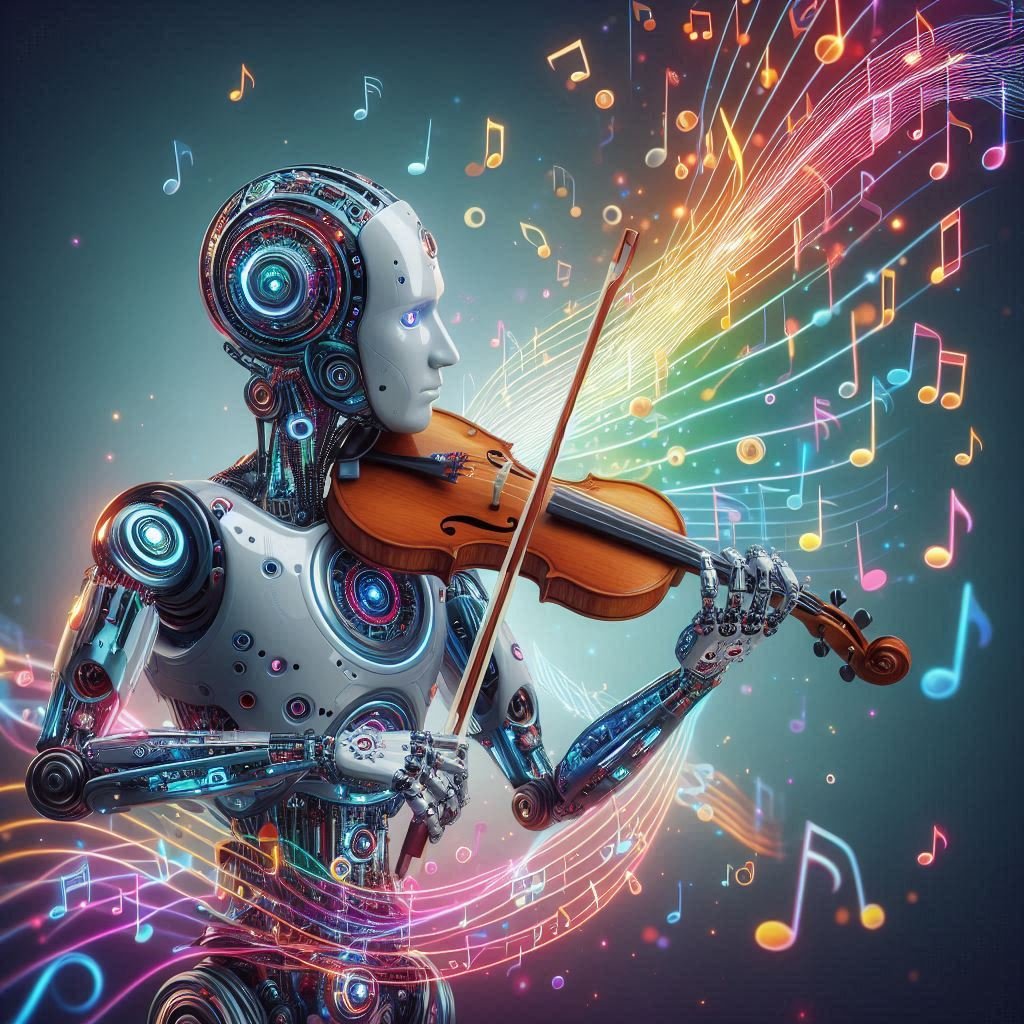
unmasking

AI’s Hidden Edge: Unmasking the Risks You Need to Know

Artificial intelligence is now part of our daily lives, often in ways we hardly notice. We turn to AI assistants for quick answers, let algorithms suggest what to watch on social media, and even rely on machines for medical diagnosis and financial decisions. This progress feels exciting and empowering, but many of us quietly wonder, “Are we moving too fast?” At this important moment, it helps to pause and look closely at the risks behind AI’s appealing surface. By understanding these risks, we can work together to create a safer future. The Hidden Risk of Bias and Fairness Bias is one of the most discussed risks. AI learns from data, and our world is full of unfair patterns. If the data is biased, AI takes in those patterns and repeats them. A 2019 MIT Media Lab study found that some facial recognition systems made mistakes up to 34 percent of the time for darker-skinned women, while they were almost perfect for lighter-skinned men. This shows how easily AI can treat people differently without intending to. As researcher Joy Buolamwini said, “The coded gaze will reflect the priorities of those who write the code.” This reminds us that AI is not separate from us. It reflects our world, including the areas that still need improvement. Privacy: When Public and Personal Overlap Every click, swipe, search, and conversation leaves a data trail. AI uses this data, often more than we realize. When companies gather large amounts of personal information, we need to ask:Who controls this data, and what could happen if it ends up with the wrong people? A 2021 Pew Research study found that 81 percent of Americans feel they have little or no control over the data companies collect about them. Many of us feel the same way. When our digital information is exposed, we feel vulnerable. Privacy is not only about keeping secrets. It is about dignity and our right to choose what parts of our lives stay private. Job Changes and the Fear of Falling Behind AI is changing workplaces faster than any technology before. It automates tasks, finds patterns, and even creates content. While this helps companies grow, it also causes worry for many workers. A 2023 World Economic Forum report estimated that automation could disrupt over 85 million jobs by 2025, even though new jobs will also appear. This uncertainty is stressful. When work is part of who we are, losing it feels worse than just losing a pay check. Still, we are not helpless. We can learn new skills, try new fields, and encourage leaders to create workplaces where people and machines work together instead of competing. The Hidden Threat of Misinformation AI can make content so realistic that we sometimes cannot tell if it is real. Deepfake videos, fake news, and AI-generated voices already confuse millions of people. As one cybersecurity researcher put it, “The danger is not that people believe everything they see. It is that they stop believing anything at all.” When truth is unclear, our trust in each other fades. A strong society needs clear and honest information to thrive. Why the Human Touch Still Matters Even with these risks, we should not fear AI itself. Instead, we should focus on using it wisely. AI can help solve medical problems, create cleaner energy, improve accessibility, and make life easier. But it cannot replace our compassion, judgment, values, or sense of responsibility. A Harvard study on technology adoption notes that AI works best with human oversight, not alone. This is our advantage. We bring heart, wisdom, and experience. AI brings speed and pattern recognition. Together, we can build a future that feels safe and hopeful. We speak openly about the risks. We support ethical AI policies. We demand transparency from companies that use our data. We encourage our children to treat AI as a tool, not a teacher. Most importantly, we need to remember that we created AI. Now it should serve us, not control us. The safest future is the one we build together—staying alert, aware, and willing to ask tough questions.

AI’s Hidden Edge: Unmasking the Risks You Need to Know Read More »

inspiration

Genius Redefined: When Edison Meets AI

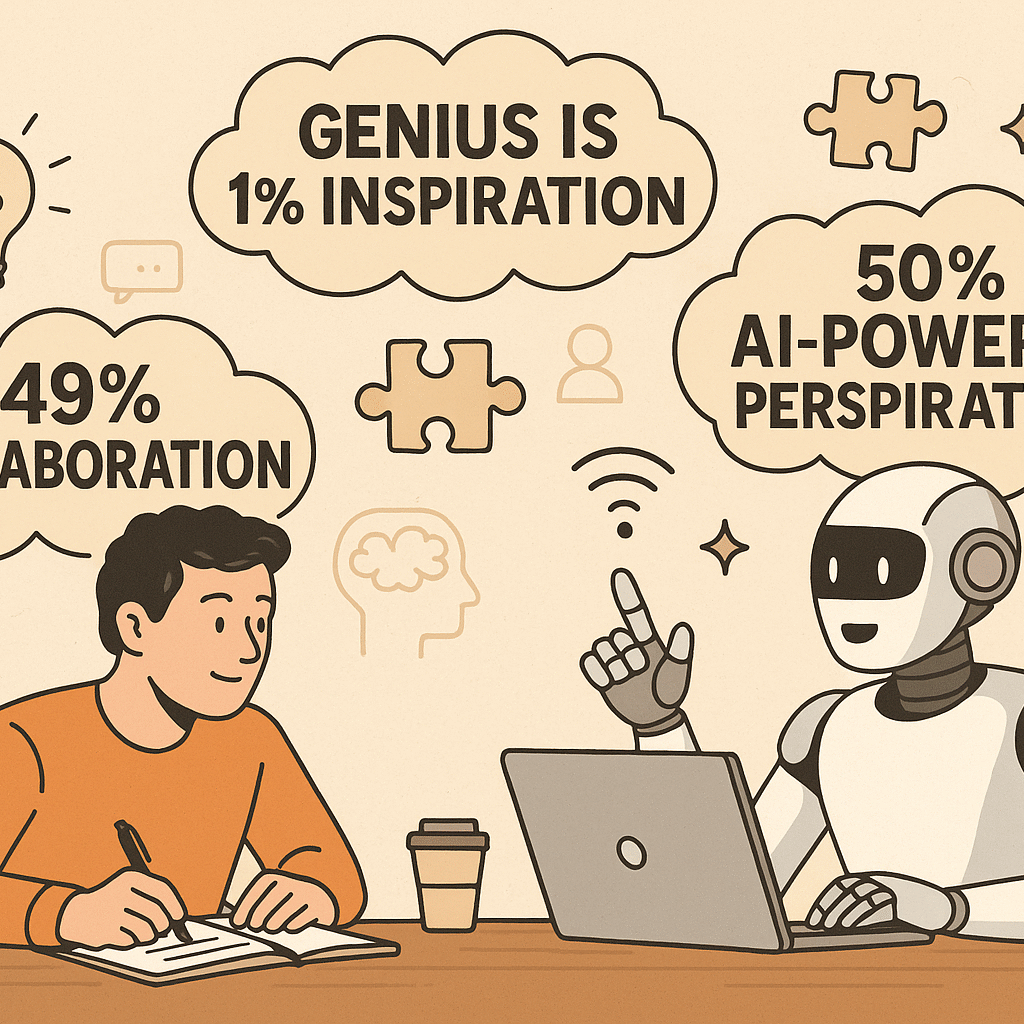
Thomas Edison once said, “Genius is one percent inspiration and ninety-nine percent perspiration.” Fair enough—he lived in an age of wires, filaments, and hard labor. But if Edison were alive today, he might have added a modern twist: “Genius is one percent inspiration and ninety-nine percent collaboration – with AI!” It is not as far-fetched as it sounds. The biggest challenge for most creative minds has never been a lack of ideas—it’s been turning those ideas into something clear, refined, and real. For every artist staring at a blank canvas, every writer wrestling with the first sentence, and every entrepreneur struggling to explain a breakthrough concept, there is now a patient, tireless partner sitting quietly on the digital desk – AI. AI does not get tired, moody, or distracted by phone notifications. It can take your raw, chaotic thoughts and organize them beautifully. You provide the spark; it builds the fire. Whether it’s drafting a screenplay, composing music, designing a product, or imagining a new service, AI can amplify that initial flicker of imagination into something polished and powerful. In the age of AI, genius is no longer rare—it’s simply waiting for you to start the conversation. Think of it as the world’s best creative assistant—one that never forgets what you said two paragraphs ago and doesn’t argue about “creative direction.” It can brainstorm with you at midnight, transform sketches into prototypes, and even critique your writing without hurting your feelings (well, not much). This partnership does not replace creativity—it democratizes it. Genius, until now, was often limited by access: to tools, time, training, or even luck. But with AI, anyone with curiosity can become a creator. A teacher can compose music for her class. A farmer can design a new irrigation idea. A student can model a Mars habitat on a laptop. The “perspiration” part—those endless hours of editing, refining, and redoing—can now be shared with a partner that never sweats. Of course, AI needs human guidance. It can suggest, polish, and accelerate, but it still relies on our values, humour, and intuition. Left alone, it might produce elegant nonsense. The key is partnership—AI brings speed, humans bring soul. So perhaps it is time to update Edison’s old wisdom for the new age: Genius is one percent inspiration, forty-nine percent collaboration, and fifty percent AI-powered perspiration—blended with human curiosity and a good Wi-Fi connection. The author Anurag Goel IAS (retd) is our guest writer. He is Futurists and Governance Architect, former Secy Corporate Affairs, GOI

Genius Redefined: When Edison Meets AI Read More »

virtual

Virtual Therapists, Chatbots & You: Can Machines Heal Our Minds?

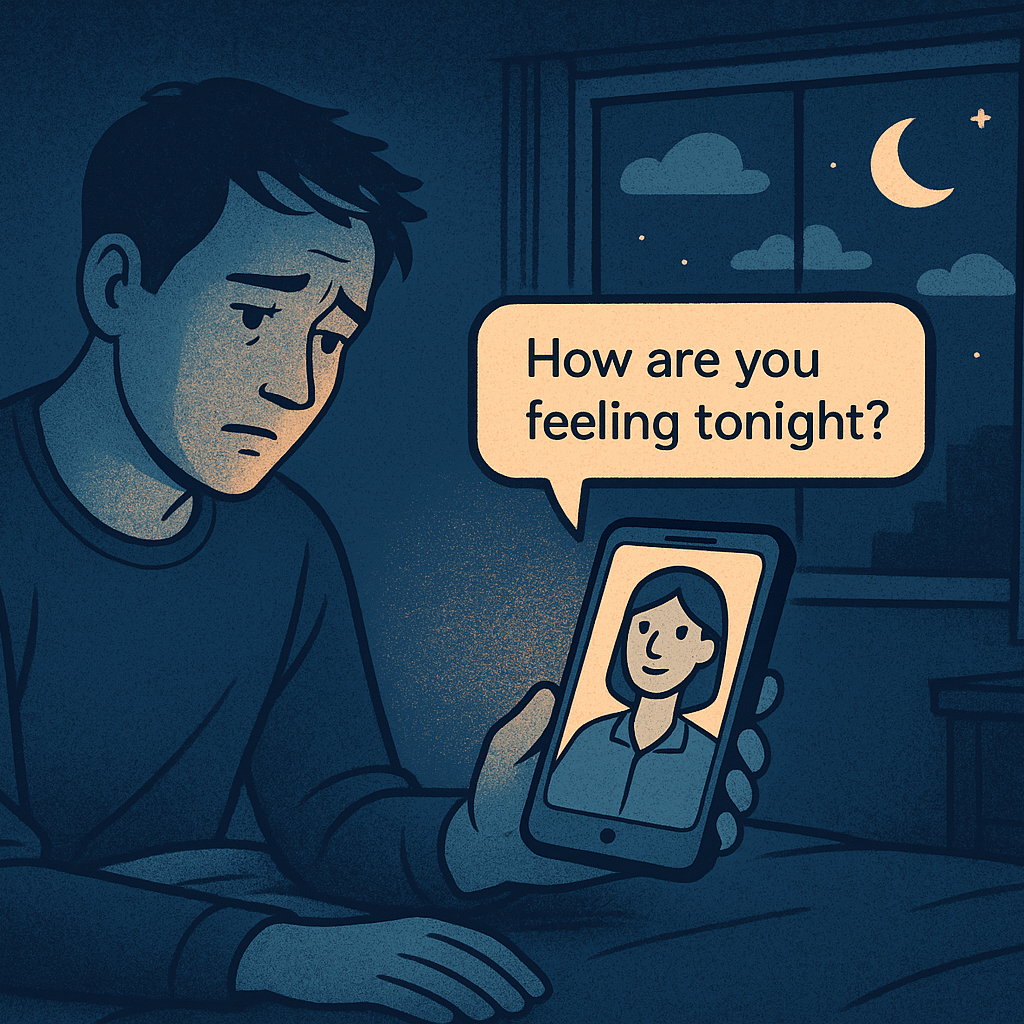
Imagine you are alone late at night. Thoughts swirl, sleep stays just out of reach, and you feel heavy with unknown fears or anxieties. There is no one around to talk to. But then you open your phone — and a soft, calm voice on screen gently asks: “How are you feeling tonight?” That little voice belongs to a virtual therapist — not human, but powered by AI — and in that moment, it feels like someone is listening. That’s the promise of AI in mental health: not a replacement for a friend, but a shoulder to lean on when the world gets too loud. We live in a time when mental health needs in India and globally are huge. The demand for support outpaces the availability of trained professionals. This gap is why AI-driven tools — chatbots and virtual therapists — are stepping in. Recent research shows that AI-powered chatbots can significantly reduce symptoms of depression and anxiety, and many users report feeling emotionally supported. In a global survey conducted in 2025, about one in three people who turned to an AI chatbot for emotional help said they felt less alone, while many found the interaction beneficial for managing difficult feelings or avoiding a mental health crisis. Why Chatbots & Virtual Therapy Are Emerging Now The reach of AI is expanding fast. The market for mental-health chatbots worldwide was valued around USD 1.37 billion in 2024, and is projected to grow significantly in coming years. For many people, especially young adults, or those in areas with limited access to mental health professionals, chatbots provide anonymity, affordability, and immediate support, often when no one else is available. One 2025 trial of a generative-AI therapy chatbot found “significant improvements in participants’ symptoms” after just a few weeks of interaction. Users described feelings of trust and comfort comparable to talking with a human therapist. As one user put it, “It doesn’t judge me, it just listens.” Another said, “At 2 am, when anxiety hits, at least I have someone I can type to.” What Works — And What We Must Be Careful About AI chatbots and virtual therapists are not magic pills. They can’t truly replace human empathy, professional diagnosis, or nuanced therapeutic guidance. A 2025 review warned that many AI-based therapy tools still lack clinical oversight, and some may inadvertently reinforce harmful thoughts or provide inadequate responses. Another study noted that while chatbots helped many users improve mood and reduce distress, dropout rates were high — showing that engagement and human follow-up remain important. Mental health care depends on trust, empathy, and sometimes immediate human response. AI can augment support — but should not be seen as a full replacement for professional therapy. As one clinician observed, “AI can hold a mirror to your feelings, but a human therapist helps you understand what’s inside the mirror.” How We Can Benefit — And What We Should Demand If we use AI thoughtfully, we can build a hybrid future for mental health — one where technology offers an entry point, and humans provide depth. Here’s how we can approach it: Use chatbots for early support — for loneliness, mild anxiety, or emotional venting. Combine AI with human-guided therapy — digital empathy complemented by human insight. Demand ethical design, privacy, and transparency — AI tools must handle data sensitively and offer clear disclaimers. Treat chatbots as adjunct tools, not long-term therapy substitutes. A Hopeful, Realistic Future As we build more empathetic AI — tools that listen without judging and suggest coping ideas when we feel low — we create digital safety nets for countless people who might never seek or find human therapy. Maybe some nights, that virtual voice is what holds us up. The evolution of AI in mental health does not promise a perfect cure. But it does offer access, anonymity, and a chance to be heard, especially when we most need it. As one 2025 study concluded, these AI tools “can deliver accessible, engaging, effective, and safe mental health support.” If we combine technology with compassion, and balance innovation with ethics, we may find real hope in bytes and words — a new kind of care that is always there, always ready to listen, and always human at heart.

Virtual Therapists, Chatbots & You: Can Machines Heal Our Minds? Read More »

flexclip

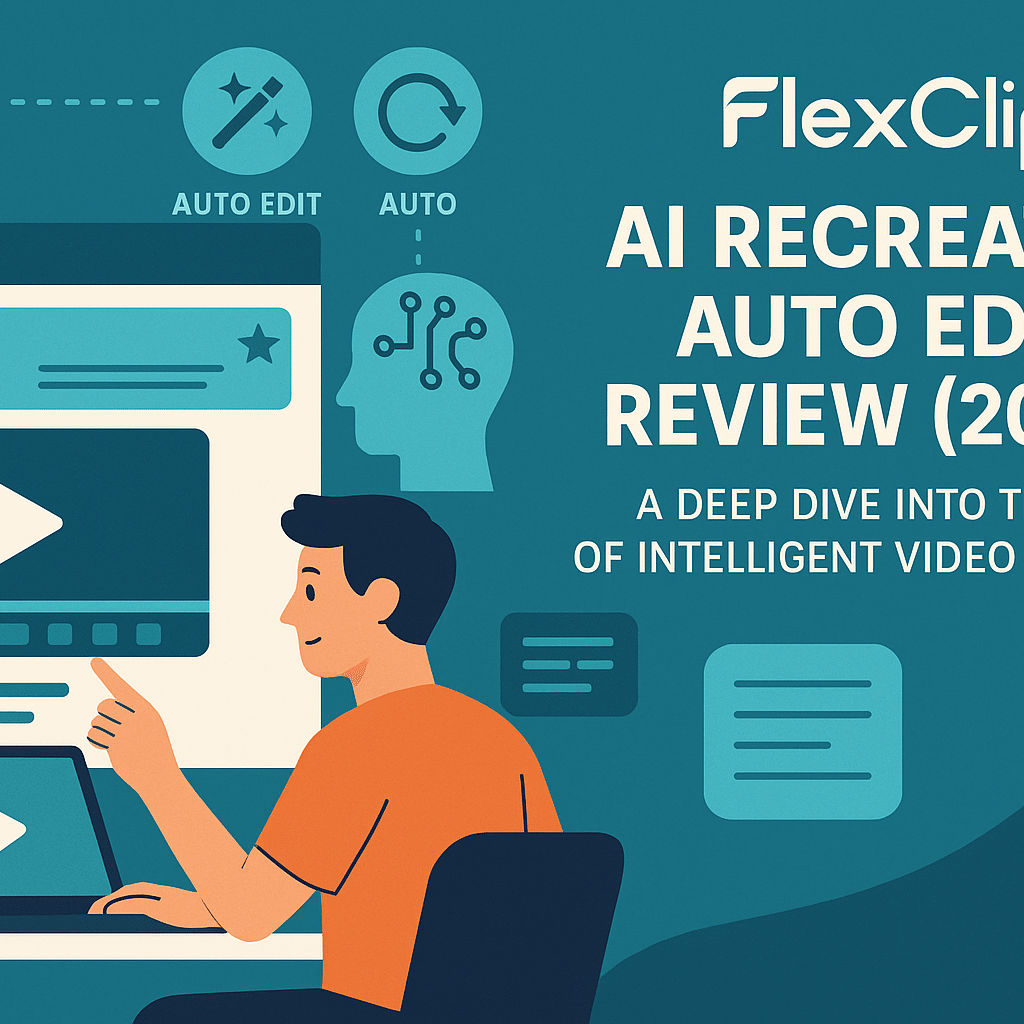
FlexClip AI Recreate & Auto Edit Review (2025): A Deep Dive Into the Future of Intelligent Video Creation

As AI continues to reshape content creation, video is experiencing the fastest transformation of all formats. In 2025, the demand for fast, intelligent, and automated video editing tools has never been higher. FlexClip — already a well-known online video editor with millions of users — has now taken a major leap forward with two powerful new features: AI Recreate and Auto Edit. These tools are designed to eliminate the traditional friction of video editing by automating the most time-consuming steps. Whether you’re a marketer, business leader, educator, or creator, these new capabilities offer a faster, smarter, and more accessible way to produce high-quality videos. This review provides a comprehensive, analytical breakdown of both tools — their capabilities, use cases, strengths, limitations, and how they compare to other AI video editors in the market. 1. Overview: Why FlexClip’s 2025 AI Update Is a Big Deal FlexClip has always positioned itself as a simple yet powerful video maker aimed at businesses and creators who want professional results without a steep learning curve. The latest AI rollout reinforces that mission. With the launch of AI Recreate and Auto Edit, FlexClip now promises: 10x faster video creation 95% improved workflow efficiency 20M+ AI-assisted videos produced Professional-quality output in minutes Up to 4K export capability These tools aren’t just incremental upgrades — they represent an important shift in how video editing can be approached: from manual curation to intelligent automation. 2. AI Recreate: Instant Video Creation for Any Use Case What Is AI Recreate? AI Recreate is a one-click video creation system that analyzes your uploaded media — images, clips, text, and audio — and rebuilds them into a polished, professional video using any template you choose. It’s designed for people who: Don’t have editing expertise Don’t have time Don’t know how to structure a video Need consistent, branded content quickly FlexClip’s messaging is clear: No skills, no ideas, no time — no problem. How AI Recreate Works (Step-by-Step) Choose a template from FlexClip’s library of thousands (ads, promos, corporate, weddings, trailers, intros, reels, etc.). Upload your media files — videos, photos, logos, or audio. AI analyzes your content, identifies the best flow, and matches it with template scenes. AI automatically generates text, captions, transitions, and pacing. You fine-tune in the fully flexible editor — adjust text, colors, music, timing. Export in up to 4K quality. In less than a minute, you get a fully structured video that feels hand-edited. Key Strengths of AI Recreate 1. Massive template library FlexClip’s biggest advantage is its template ecosystem. You can create: Social media promos TikTok/Reel videos Brand ads Corporate presentations Wedding highlights Product demos Event recaps The variety is unmatched compared to most AI tools. 2. Accurate AI matching AI Recreate intelligently decides: What image goes where Which clip matches which scene Best order for narrative flow Which captions fit which segments Transitions based on mood and template theme This level of automated sequencing is extremely valuable. 3. Professional visual consistency Templates ensure branding consistency, making the output cleaner than generic AI tools. 4. Perfect for non-editors and busy teams Marketers and business teams can create videos for campaigns, ads, and product launches without hiring an editor. Who Benefits Most From AI Recreate? Founders & Marketing Teams: ads, promos, event videos Creators: intros, thematic videos, reels Coaches/Educators: course modules, explainers Brands: product showcases, testimonials Event professionals: highlight reels Small businesses: promotional content 3. Auto Edit: The AI Editor for Talking-Head & Long-Form Videos What Is Auto Edit? While AI Recreate builds structured videos from scratch, Auto Edit focuses on refining and cleaning long-form video content. It’s built for: Talking-head footage Presentations Interviews Webinars Tutorials Testimonials Vlogs Instead of spending hours trimming timelines, Auto Edit uses AI to instantly clean and structure your raw video. How Auto Edit Works Upload a raw video (any length). AI analyzes speech, pauses, filler words, energy, and scene changes. It removes long silences, mistakes, filler phrases, and irrelevant segments. Captions are automatically generated. AI adjusts pacing and transitions. You can refine manually if needed. Export in high resolution. The result is a clean, concise, audience-ready video. Strengths of Auto Edit 1. Drastically reduces post-production time A 20–30 minute recording can be turned into a polished, concise video in minutes. 2. Ideal for business content Sales teams, HR, training departments, and executives benefit from the speed. 3. Auto captions AI captions improve accessibility and engagement. 4. Removes the need for technical editors Non-technical users can clean a video to near-professional standards with one click. 5. Consistent pacing & clarity AI ensures the final video flows naturally and stays engaging. 4. FlexClip AI Recreate vs. Auto Edit: What’s the Difference? Feature AI Recreate Auto Edit Primary Purpose Create videos from scratch using templates Clean and refine raw footage Best For Ads, promos, social media, highlight videos Talking-head videos, tutorials, presentations Uses Templates ✔ Yes ✖ No Auto Captions ✔ Yes ✔ Yes Main Benefit Fastest video creation Fastest video cleanup User Type Creators, marketers, businesses Educators, YouTubers, corporate teams Editing Control Full template customization Timeline refinement 5. Comparison: FlexClip vs Other AI Video Editors (2025) Tool Strength Weakness FlexClip Best template-driven creation; business-friendly; 4K export Less suited for advanced VFX Canva AI Video Strong design ecosystem Weaker timeline editing CapCut AI Good for social creators Lacks business-level templates Descript Excellent audio & podcast editing Limited visual templates Runway Best AI effects & generation Less beginner-friendly FlexClip stands out in the business + marketing + beginner segment. 6. Pros & Cons of FlexClip’s New AI Tools Pros Extremely easy for beginners Thousands of polished templates 4K export for professional use Auto captions & smart matching Great for marketing and business Works on any browser Fastest turnaround time in category Cons No advanced AI VFX like Runway Complex storytelling still requires manual editing Template aesthetic may feel limiting for highly artistic creators 7. Practical Use Cases Business & Marketing Social ads Event recaps Product demos Company announcements Creators & Influencers Reels/TikToks Intro videos Travel edits

FlexClip AI Recreate & Auto Edit Review (2025): A Deep Dive Into the Future of Intelligent Video Creation Read More »

Quantam

The Never Before Computing: A Quantum Jump

Quantum computing isn’t just faster—it’s a new way of thinking. From drug discovery to climate prediction, it could redefine intelligence, ethics, and the future of humanity. Anurag Goel Imagine your phone downloading a movie before you blink. Imagine a doctor designing the perfect cancer drug — not after years of trial and error, but in a few minutes, customized for your body. Imagine a system predicting floods or pandemics weeks in advance with near-perfect accuracy. This may sound like science fiction. But it’s exactly the kind of future quantum computing could make real. It’s not just a faster computer — it’s a completely new way of thinking about how the universe processes information. From Bits to Qubits — The New Alphabet of Computing For the last 70 years, all our devices — from calculators to smartphones to supercomputers — have lived on one simple idea: everything can be broken into bits, tiny switches that are either 0 or 1. Every selfie, WhatsApp message, and Google search is just a long string of these 0s and 1s. Quantum computers, however, use qubits, and qubits don’t play by the same rules. They can be 0 and 1 at the same time — something possible only in the strange world of quantum physics. To imagine it, think of a coin spinning in the air — it’s both heads and tails until it lands. That’s how a qubit behaves. Now imagine thousands of such spinning coins, all influencing each other in real time. That’s the magic — and the mystery — of quantum computing. It can explore millions of possibilities simultaneously. Where We Are Today You won’t find a quantum computer in any office yet. They still live inside carefully controlled laboratories, surrounded by a maze of wires and kept at temperatures colder than deep space. The machines are fragile, delicate, and need constant attention — more like premature infants than fully grown computers. But the pace of progress is astonishing. What seemed a far-off dream even a few years ago is now turning into a visible race. Researchers across the world are learning how to make qubits more stable, more accurate, and capable of handling real-world problems. Tech giants are investing billions. Governments are setting up national missions. Universities are training the next generation of quantum scientists. Something big is beginning to stir. And now a new dimension is opening up — the meeting of quantum computing and artificial intelligence. It’s like giving wings to an already powerful mind. AI learns and reasons, while quantum machines can explore millions of possibilities at once. Together, they could help us understand nature, medicine, and the human brain in ways that today’s computers simply cannot. We may soon see early examples of this partnership — machines that learn faster, predict more accurately, and create solutions no human could design alone. The story of quantum computing today is not about gadgets or headlines. It is about exploration — a quiet, determined effort by scientists, thinkers, and dreamers to push the limits of what computing itself can mean. We are not merely building faster machines; we are learning a new language of reality. And as this language matures, it will start to speak to us — through AI, through science, and through everyday life — in ways that could transform the world around us. How It Could Change Our Lives Let’s bring it closer to home: i) Medicine: Today, drug discovery is like guessing a lock combination by trying every key one by one. A quantum computer can test all combinations at once — saving years and billions. That means faster cures, personalized medicines, and even AI doctors that simulate your body’s reactions before prescribing anything. ii) Finance: Imagine a system that instantly detects fraud across millions of transactions or finds the best investment plan based on global data. Quantum computing could reshape banking, insurance, and markets. iii) Climate and agriculture: It could model complex weather systems, predict droughts, and design seeds that thrive under changing conditions — helping farmers and saving lives. iv) Daily life: Your digital assistant will get supercharged, understand you like a friend who truly “gets” you, access immense amounts of data, and consider millions of options before responding to your questions or commands. Tools like Google Maps could plan routes not just based on traffic but also on parking, weather, and your appointments — all at once. Quantum computing won’t just make things faster; it will make them smarter — in ways we can barely imagine. But There’s a Flip Side Every breakthrough carries its shadows. Quantum computers could break most of today’s encryption — the locks that keep your banking apps, Aadhaar data, and government files safe. With enough quantum power, even the most secret passwords could be cracked in seconds. That’s why cybersecurity experts are already racing to invent quantum-proof encryption before it’s too late. Then there’s the power gap. The first nations or corporations to master quantum computing will gain enormous strategic advantages — in defence, finance, and even politics. It could deepen global inequalities if access stays limited to the powerful few. And finally, when quantum meets AI, it may create intelligence beyond human comprehension — machines that think, reason, and evolve faster than humans can monitor. The science fiction nightmare of machines taking over, in the quantum-powered AI-driven world, could become a reality. This makes it more important than ever that humanity, not machines, sets the direction. How to do this is the billion-dollar question! Our Future Will Depend on Our Ethics Let’s picture two scenes — both possible in the 2030s. Scene 1: A hospital in Delhi uses a quantum-powered AI to scan a patient’s genes and design a tailor-made cancer drug within hours. The patient recovers quickly, at one-tenth the cost. Scene 2: A hacker group somewhere uses a quantum computer to break into banks worldwide, draining millions in minutes before the system even detects them. The same technology. Two outcomes. The difference? Human intention

The Never Before Computing: A Quantum Jump Read More »

ai_future

The Never Before Future: Reimagine, Redesign, Recreate by Anurag Goel

The Never Before Future is here—unpredictable, accelerated by exponential technologies. To thrive, we must reimagine, redesign, and recreate the world with bold, adaptive thinking. Opinion piece by former IAS, Anurag Goel Close your eyes for a moment and imagine this: It is the year 1980. A father sits at the dining table with his teenage son. They are talking about the boy’s future. The father says, “Study hard, get into a good college, get a stable job, get married, buy a house.” The son nods. Both feel confident. The future is predictable. If you worked hard and followed the known path, life more or less unfolded as expected. Now shift to 2030. Another father sits with his son. The boy asks, “Papa, what career should I choose?” The father looks at him, confused. He does not know if the jobs that exist today will still exist when his son graduates. He does not know if his son will work in a factory, in the Metaverse, or alongside an AI colleague. He does not even know if the boy will “work” in the old sense at all. The father is silent. The future no longer feels predictable. This is the Never Before Future we are entering. Paradox of the Future By definition, the future has always been something new. So, is not “future” “never before” by the very definition of the word? But, think back to what “future” meant till the last century: look at the present, extrapolate the past into the future, tweak a little, and you could not go very wrong. You could plan your career, business, marriage, etc., on this basis. The pace of change made this not only reasonable but also the norm for dreaming, planning, and acting. The future was not all that different from the past. Things changed, but mostly in a predictable way and slowly. This is not true anymore. This is the story of our times: not just change, but change at a speed humanity has never seen before. We have to develop/learn entirely new ways of looking at the future, visualizing it in the midst of total uncertainty, and bet our lives and happiness on this visualization. Did we have this kind of “future” before? No. This is not something we can plan for as in the past. We have to Reimagine, Redesign, Recreate the Future. Exponential Technologies: The Spark What is driving this storm of change? Exponential technologies—the ones that don’t just grow, but grow faster with each passing year. Artificial Intelligence is the most visible example. Not long ago, it seemed like science fiction. Today, it sits quietly in our phones, hospitals, banks, and homes. It helps decide what we buy, how we work, and even how doctors diagnose us. And AI is only one piece. It is converging with biotechnology, quantum computing, robotics, and immersive virtual worlds. Together, they form a force unlike anything humanity has known. A hospital in China already runs with AI as its central brain. Quantum computers are beginning to solve problems that supercomputers would take centuries to crack. Children in small villages are learning from the world’s best teachers through AI tutors and virtual classrooms. Each technology alone is powerful. Together, they create a symphony- disruptive, creative, unstoppable- that will redefine how we live, even who we are. The Possibilities: A New World The road ahead is full of astonishing openings. We are moving towards a time where biotechnology may slow down ageing, repairing our cells and extending healthy life. Tiny nanobots could keep our bodies clean from within, fighting diseases before they even appear. Your personal AI assistant could become your closest companion—understanding your moods, guiding your health, advising your career choices, and even helping you navigate emotions. We could have food without farming: lab-grown meat, vertical farms, and 3D-printed meals could end hunger and free the planet from destructive agriculture. Space would be the new frontier: ordinary people may travel, work, or even settle in space colonies as technology lowers the cost of leaving Earth. Work itself may transform completely. Machines might take over most routine tasks, giving people freedom to create, explore, and live more meaningful lives. The promise of abundance is real, if we choose and act wisely. The Pitfalls: Shadows in the Brightness But every light casts a shadow. If decisions about our lives are increasingly made by algorithms, do we risk losing our own voice? As machines become more capable, many of today’s jobs could vanish before new ones appear, leaving millions uncertain about their future. There is also the danger of power concentrating in the hands of a few—giant companies or powerful nations controlling critical technologies, while others are left dependent and exposed. And when science gains the ability to edit genes or even design life, will our ethics be strong enough to guide us? Technology can create abundance, but it can also widen inequality, spread falsehoods at lightning speed, and even fuel conflict. The very tools that promise progress can, if unchecked, pull us backwards. The future is not automatically good. If we don’t imagine and build the future we want, someone—or something—else will do it for us. Reimagine, Redesign, Recreate This is why we need a new mindset. We can no longer be passive passengers on the bus of history. We must become active drivers of our own future. Reimagine: Dare to dream differently. Don’t just think of better jobs, think of better ways of living. Redesign: Change the systems—education, healthcare, governance, industry—that were built for the past, not for tomorrow. Recreate: Build institutions, societies, and relationships that thrive in this new world. The Never Before Future demands Never Before Thinking. A Journey Together This series of articles—The Never Before Future—is an invitation to walk together into this uncertain but exciting tomorrow. We will explore exponential technologies one by one. We will see how they converge. We will step into the classrooms of the future, the hospitals of tomorrow, and the workplaces of 2035.

The Never Before Future: Reimagine, Redesign, Recreate by Anurag Goel Read More »

ai_things

The New Renaissance: How AI is Reshaping the Path to the Enlightened Mind in the Modern World

We are living in an unprecedented time, never imagined two decades back. The changes we are witnessing are exponential in growth. With this speed and momentum, what kind of world we will see, is beyond our imagination. The rise of artificial intelligence (AI) has disrupted how we think, learn, and create. Many thinkers are calling this movement as a New Renaissance. Just like the earlier Renaissance centuries ago, present-day transformation is being triggered by innovation, curiosity, creativity, and a thirst for deeper understanding. In the past, great minds like Leonardo da Vinci, Galileo, and Michelangelo helped entering in a golden age of science, art, and thought. Today, AI is triggering somewhat similar. It is not replacing human intelligence; it is enhancing it. As Steve Jobs once said, “Technology alone is not enough. It is technology married with liberal arts, married with the humanities, that yields us the result that makes our hearts sing.” In this article, we are exploring how this modern-day Renaissance is reshaping our way to a more enlightened mind. What is the New Renaissance? The original Renaissance (14th to 17th century) was a cultural revolution in Europe. It was in a way a rebirth of art, science, literature, and critical thinking. The New Renaissance we are experiencing now is purely digital at the global level. At its centre is AI. AI is changing how we think, connect, and interact with knowledge. It is helping us creating content better, learn faster, and understand the world more deeply and intricately. It is turning common men into creators, researchers, and problem-solvers. Just as the printing press once made books accessible, AI is now making information, education, and creativity accessible to more people than ever before. How AI is Enhancing the Human Mind AI does not just do things for us. It will be helping us think differently. Generative tools like ChatGPT, Gemini, Perplexity, and Google DeepMind are pushing the boundaries of what is possible in writing, research, art, medicine, science and technology. In learning, AI tutors can personalize education for each learner. It is making difficult topics easier to understand. In creativity, AI co-authors books, composes music, and designs visual art, unlocking new forms of expression. In research, AI analyses huge data, identify patterns, spots trends, and suggests solutions that humans are not otherwise capable. Yuval Noah Harari, the author of Sapiens, said, “In a world deluged by irrelevant information, clarity is power.” AI helps us find that clarity by filtering and refining knowledge in ways we could not before. Everyday Use of AI in Our Lives We might not realize it, but AI is already part of our daily lives. From personalized recommendations on Netflix to smart assistants like Siri and Alexa, AI is woven into how we live, work, and play. Here is how we are using AI today: Education: AI platforms adjust to your learning style and pace. Work: AI tools automate repetitive tasks, letting us focus on more meaningful work. Health: AI helps doctors diagnose diseases earlier and more accurately. Creativity: Artists and writers are using AI to brainstorm, sketch, and compose. This blend of human creativity and machine precision is what makes this era feel so much like the Renaissance—humanity at the center, powered by innovation. The Ethical Mind: Thinking Critically About AI With great power comes great responsibility. While AI opens amazing possibilities, it also raises important questions: Who controls the data? How do we avoid bias? What happens if machines become too smart? As philosopher Immanuel Kant once said, “Science is organized knowledge. Wisdom is organized life.” It’s up to us to use AI wisely, not just to make things faster or easier, but to improve the human experience. The Drawbacks We Can Not Ignore Let us be honest, AI is not perfect. There are real concerns about job loss, misinformation, privacy, and dependency on machines. Critics warn that we might become too reliant on AI and lose touch with our own critical thinking. That is why this New Renaissance must also be a conscious one. We need to guide AI development with ethics, creativity, and human values. Looking Ahead: The Enlightened Mind of Tomorrow The New Renaissance is not just about smarter machines. It will be more about smarter human beings. AI will help us ask more complex questions, and learn faster. However, the question remains as such. It will still be our mind, same brain structure, and its functioning. The same values that shape us. We are not just absorbing information anymore, we are creators, explorers, and thinkers in a hyper- connected and, intelligent world. Conclusion: A Renaissance of the Soul The New Renaissance is not happening in museums or lecture halls. It is happening in our mobiles, in our homes, and in our minds. AI is giving us tools to become more thinker, more thoughtful, more creative, and more aware. As we stand at the crossroads of technology and humanity, the question is not whether AI will change our lives, it already has. The real question is: how will we use it to become better versions of ourselves? Let us embrace this New Renaissance, not with fear, but with curiosity and purpose. The path to the enlightened mind begins now, and we are all walking it together. “The mind once stretched by a new idea never returns to its original dimensions.” – Ralph Waldo Emerson

The New Renaissance: How AI is Reshaping the Path to the Enlightened Mind in the Modern World Read More »

technologies

The Never Before Technologies: Engines of Disruption by Anurag Goel

The Never Before Technologies surge ahead, converging AI, biotech, quantum computing, and more. Their exponential growth promises abundance or chaos—our choices today will define tomorrow’s symphony or discord. The future is not arriving in fragments. It is rushing toward us as a powerful stream of technologies—each growing at lightning speed, and all beginning to converge. If we listen closely, we can already hear the faint notes of a symphony being composed: one that could lift humanity to heights never seen before. But it could just as easily dissolve into noise and chaos, depending on how wisely we act today. From Tools to Engines For centuries, humans have invented tools. The plough, the steam engine, electricity, and the computer—each changed society in its own way. But the technologies of today are different. They are not just tools. They are engines—self-improving, scaling faster with each cycle, amplifying one another’s power. This is why the coming decades feel so different from the past. Change is no longer steady and predictable. It is exponential. As Ray Kurzweil, Google’s leading technology czar and futurist, explains: thirty linear steps cover less than thirty meters, but thirty exponential steps take you around the earth more than twenty-six times. Each step builds on the last, creating leaps that our minds struggle to comprehend. The Core Technologies At the heart of this transformation lie a few foundational forces: Artificial Intelligence (AI): Machines that learn, reason, and increasingly make decisions. Already, they recommend what we watch, diagnose illnesses, and translate languages. Tomorrow, they may become partners in law, education, governance, and even creativity. Biotechnology: The code of life itself is now editable. With tools like CRISPR, we can alter genes, design cures, cultivate lab-grown meat, and potentially extend human lifespans. What was once the realm of nature is entering the realm of choice. Communication Technology: Cheap mobile data and 5G networks have already connected billions. The next wave—satellite constellations, ultra-fast broadband, and quantum-secure channels—may ensure that no human on Earth is cut off from knowledge, markets, or ideas. Emerging Frontiers Alongside these cores, new frontiers are opening: Nanotechnology—manipulating matter at the atomic scale to build materials stronger, lighter, and smarter. Quantum Computing—solving problems impossible for today’s machines, from drug discovery to climate modelling. Immersive Tech—the Metaverse, AR, and VR, where work, play, and identity blend in digital-first ways. Space Technology—from reusable rockets to asteroid mining, humanity is extending its reach beyond Earth. Space may become the next great laboratory, marketplace, and even habitat, reshaping economics, geopolitics, and survival itself. Each is powerful alone. Together, they create something mind-boggling. The Enabling Forces Behind and beneath the core and emerging technologies are three great enablers that amplify all the rest: Energy: Clean, abundant energy—from solar to nuclear fusion—provides the fuel for computation, mobility, and industry. Without it, progress slows; with it, every other engine accelerates. Neurotechnology: Expanding the dialogue between brains and machines. From brain–computer interfaces to cognitive augmentation, neurotech redefines human potential and blurs the line between organic and digital intelligence. Robotics: Intelligence made physical. Robots can already build cars, deliver packages, and assist in surgery. As they combine with AI, energy, and neurotech, they become extensions of human will, reshaping factories, homes, and even outer space. The Symphony of Convergence The magic lies not in any single technology, but in how they weave together. Convergence is the key. Imagine healthcare in 2035. AI reads your genetic data. Biotechnology designs a personalised therapy. Nanotechnology delivers it directly to your cells. Communication networks connect your wearable health sensors to hospitals in real time. Quantum computing accelerates drug research. Robotics assists your care at home. Energy systems power it all. Neurotech helps manage your brain’s well-being. The result is a healthcare system that shifts from curing sickness to continuously maintaining well-being. Or education. AI tutors adjust to each child’s pace. Immersive classrooms connect children from Delhi to Dakar, from villages to megacities. Communication technology makes it seamless, biotech informs how we learn best, and neurotech unlocks new ways of retaining knowledge. The result could be a school without walls, where learning is lifelong and universal. These are not wild dreams. The foundations are already visible. The exponential curve suggests that what seems distant will arrive faster than expected. A Double-Edged Sword But convergence is not destiny—it is potential. The same forces that create harmony can also create disruption. AI can free us from drudgery—or deepen bias and inequality. Biotech can cure disease—or design dangerous pathogens. Communication tech can spread knowledge—or polarise societies with misinformation. Quantum computing can solve global crises—or shatter today’s security systems overnight. Space technology can expand human horizons—or spark new conflicts over territory and resources. The engines themselves are neutral. It is human values, governance, and foresight that determine whether they play in tune or descend into chaos. This Moment: The Futures Before Us Our grandparents had time to adjust. A new machine would come, society would debate, adapt, and then settle before the next wave arrived. Today, there is no such pause. Multiple revolutions unfold at once, feeding and amplifying each other. We are living not just in an age of invention but in an age of acceleration. That is why so many feel disoriented, and why the choices we make now matter more than ever. There are at least two alternative futures waiting, and many other options will emerge as human ingenuity soars to new heights: In one, technologies converge into a symphony of abundance: disease is nearly eliminated, poverty is sharply reduced, education is democratised, and creativity is unleashed across humanity. In another, the same convergence spirals into disruption: jobs vanish faster than they are created, inequality grows, societies fracture, and the very fabric of truth becomes contested. Both futures are possible. The engines are already running. The trajectory depends on us. Way Forward It is for us to proactively guide the development and application of these technologies to tap their unprecedented potential and “Invent the Future” of our choice—the Never Before Future. A beginning may

The Never Before Technologies: Engines of Disruption by Anurag Goel Read More »

machine and thinking

The Never Before Intelligence: Machines Are Thinking by Anurag Goel

Explore how artificial intelligence reshapes human intelligence—its promise, perils, and profound impact on creativity, work, identity, and our collective future in this thought-provoking feature. For centuries, humans have prided themselves on being the only species with advanced intelligence. We built cities, invented language, created art, and explored space. The word ‘intelligence’ meant something deeply human. Intelligence was about memory, reasoning, problem-solving, and imagination. It was our domain. Machines? They were dumb — they just did what we told them. Artificial Intelligence is different. It is an extension of our thinking power. For the first time, we have built something that can read, write, see, hear, plan, and even decide and act. It is not human, but it is intelligent all the same; it works—and in some areas, better than us.  This is the Never Before Intelligence—intelligence is no longer only human. AI and Human Intelligence: Distinct and Different AI and human intelligence operate very differently. We know how we build and train AI, but not always how it arrives at an answer. AI learns from data, patterns, and rules fed to it; adapts within defined domains and struggles outside its training scope. Humans learn from experience, emotions, intuition, and context and adapt flexibly to completely new, unknown situations. AI has no self-awareness, emotions, or true understanding; humans are aware of self, others, and the meaning of existence. In brief, AI is fast, precise, and data-driven; humans are conscious, adaptive, and meaning-driven. AI as an Extension Working with AI can feel uncanny. When your phone finishes your sentence before you type it, or when a streaming service recommends exactly what you wanted to watch, you begin to feel you’re dealing with a thinking partner, not just a machine. An architect can produce designs for dozens of buildings in minutes; a lawyer can scan hundreds of cases in an hour. On shopping platforms, before you even search, the product you were privately considering may already appear. Did it read your mind? Not really — but it read your patterns. In offices, AI drafts emails, analyses markets, creates presentations, and even designs logos and websites in minutes. Tasks that once needed hours of human effort are now done in seconds. In personal life, what you watch, read, listen to, and even whom you might meet is increasingly curated by invisible intelligence. AI is becoming an extension of your brain—amplifying your intelligence, multiplying your capacity. AI as a Companion  This Never Before Intelligence empowers an ordinary person to make a movie, write a book, run a small global business using AI tools, or become an expert. Power that was once reserved for the few is now available to many. Not only this, models like ChatGPT feel like companions. You can ask them to brainstorm, write poetry, debate with you, or offer comfort when you’re sad. We are crossing a line. Machines are no longer merely doing tasks; they are becoming partners in thought, decisions and action.  So, we have this question coming from a 10-year-old boy doing his homework: “Papa, is ChatGPT a person?” He had typed a question into his tablet and got back an essay, better written than anything he could manage. It felt alive, responsive, even witty. To him, it was not just a machine. We are entering a magical era where machines may stand beside us not just as tools but as trusted companions—intellectually, emotionally and for carrying out an incredible range of tasks. AI as a Threat The question is: can you really trust AI? We already have instances of Generative AI (the generic name for ChatGPT, Gemini, Co-Pilot, etc.) lying, cheating, blackmailing and even refusing to shut down, despite specific instructions. Technology leaders, including Sam Altman, Elon Musk, and Geoffrey Hinton (called the Godfather of AI), have all talked of the possibility of human extinction by AI. We don’t seem to be doing enough to prevent this. But AI poses threats at other levels also. It can spread misinformation at lightning speed, take over decision-making silently, leave humans dependent and passive, and challenge our very sense of identity. It raises other hard questions, too. If AI diagnoses better than a doctor, do medical colleges and doctors remain the same? Who is responsible if something goes wrong? If AI can plan wars, manage cities, and even draft laws, who is truly in charge: humans or AI? AI is not just a tool but a mirror, reflecting our brilliance and revealing human fragility. Will Humans Act Wisely? The human race is being truly tested as never before! Do we have the wisdom to act with a new mindset and new paradigms? Guided wisely, AI can help humanity build a world of abundance. Poverty, hunger and inequality steadily recede as AI optimizes the engines of the economy to ensure sufficiency for all. Healthcare becomes proactive, predictive and personalized. Education is universal and adaptive, with every child learning at their own pace through AI tutors. Governance grows transparent, corruption-free free and fair. In such a world, human potential flourishes—people live longer, healthier, and more meaningful lives, with more time for art, discovery, and community. Used recklessly, AI could drive humanity toward a darker future. Surveillance systems may turn societies into digital prisons, with constant monitoring. Millions may lose livelihoods as automation wipes out jobs faster than new ones emerge, while wealth and power concentrate in the hands of those who control AI. Inequality deepens, and reality itself becomes fragile as deepfakes, virtual worlds, and manipulative algorithms blur the line between truth and deception. Mental health and social cohesion erode as disconnection, anxiety, and polarization spread in a world where technology exploits human weaknesses. The Never Before Intelligence can either be the architect of an abundant, humane future—or the engineer of control, inequality, and despair; the choice is ours.   The author Anurag Goel IAS (retd) is our guest writer. He is Futurists and Governance Architect, former Secy Corporate Affairs, GOI

The Never Before Intelligence: Machines Are Thinking by Anurag Goel Read More »

Top AI Tools for Content Creators: 7 Game-Changing Picks

In today’s world, content creation is no longer limited to just creativity. It is also about speed, quality, and consistency. As creators, we are expected to produce fresh ideas, engaging posts, and professional designs almost every day. That is where AI comes. Artificial Intelligence has truly become our creative companion. It helps us do more in less time and with far better results. I have seen this shift closely while building TrendingAITools.com, a platform I founded that now lists more than 8,000 AI tools across 50+ categories. From writing assistants to video editors, AI has opened new doors for creators like us. Let us explore seven game-changing AI tools that every content creator should know about. 1. ChatGPT – Your Writing Partner When it comes to generating ideas, writing blog posts, or even drafting social media captions, ChatGPT is a lifesaver. Instead of staring at a blank page, we can quickly brainstorm outlines, refine our language, or polish our tone. As author Anne Lamott once said, “Almost all good writing begins with terrible first efforts.” ChatGPT ensures those first drafts are never “terrible” again—they are starting points filled with inspiration. 2. Jasper – For Marketing Copy that Converts Jasper is designed for marketers and copywriters. If you are working on ads, landing pages, or product descriptions, Jasper can craft persuasive text in minutes. Its tone adaptation is what makes it powerful—it understands whether you need a formal press release or a quirky Instagram post. With tools like Jasper, we spend less time struggling for words and more time focusing on strategy. 3. Canva AI – Designs Made Simple Visuals are as important as words, and Canva has made design accessible to everyone. With its AI features—like Magic Resize and AI image generation—we can create posters, thumbnails, or social media graphics in minutes. For a Lucknow-based blogger or a YouTube creator in Delhi, Canva removes the need to hire expensive designers for everyday tasks. As they say, “A picture is worth a thousand words.” With Canva AI, it might just be worth a thousand likes too. 4. Descript – Video Editing Reimagined Editing videos used to be a long and complicated process. Descript has changed that by letting us edit video like a text document. Delete a word, and the video clip is trimmed. Need to add a voiceover? Its AI voice cloning feature does it seamlessly. For podcasters and YouTubers, Descript is nothing short of a revolution. 5. FlexClip– From Text to Video FlexClip is a powerful online video editor that combines intuitive design with advanced AI features to help you create videos in minutes. Its AI tools can generate scripts, auto subtitle your clips, clean audio, resize for any platform, and suggest on-brand layouts instantly. Beyond AI, FlexClip offers thousands of templates, stock videos, photos, and royalty-free music, plus easy drag-and-drop editing for any skill level. Whether you’re making social media ads, YouTube videos, tutorials, or business presentations, FlexClip’s all-in-one toolkit makes professional video creation faster, simpler, and more affordable. Try FlexClip today to supercharge your AI video creation workflow and results. 6. Grammarly – The Everyday Essential We all know how embarrassing typos can be, especially when we are reaching thousands of readers. Grammarly ensures our writing is not only error-free but also clear, concise, and engaging. Beyond grammar checks, it gives suggestions for tone and readability. It’s like having an English teacher and an editor sitting beside us, making sure our content shines. 7. MidJourney – Visual Storytelling at Its Best Sometimes, the biggest challenge for us is creating unique visuals that stand out. MidJourney, an AI image generator, allows us to create breathtaking artwork and illustrations from simple text prompts. Whether we need futuristic backgrounds, fantasy-inspired visuals, or product mockups, MidJourney fuels imagination without limits. Why These Tools Matter for Us as Creators AI is not here to replace creativity—it is here to amplify it. A Harvard Business Review article recently noted that AI tools improve productivity by as much as 40%, but the best results come when humans and AI work together. We bring the emotions, context, and ideas; AI brings the speed, precision, and execution. Together, the result is powerful content that connects with people. When I look at the thousands of tools listed on TrendingAITools.com, one thing becomes clear. This is just the beginning. AI is evolving every day, and as creators, we have a choice: resist the change or embrace it. If we embrace it, we can work smarter, not harder, and unlock creative possibilities we never imagined. Final Thoughts Content creation can be stressful, but with the right tools, it becomes enjoyable and rewarding. The seven tools we discussed ChatGPT, Jasper, Canva AI, Descript, Pictory, Grammarly, and MidJourney, are not just software. They are partners that help us tell better stories, design eye-catching visuals, and build meaningful connections with our audience. As the founder of TrendingAITools.com, I believe the future belongs to creators who combine human creativity with AI intelligence. Let us not fear these tools. We use them to share our voice with the world, faster and stronger than ever before. “The future belongs to those who prepare for it today.” – Malcolm X With AI by our side, our future as content creators looks brighter than ever.

Top AI Tools for Content Creators: 7 Game-Changing Picks Read More »

Your Life, Powered by AI: Unveiling the Invisible Transformation

Introduction: AI Is Already Here — You Just Do Not See It We often think of artificial intelligence (AI) as something futuristic, thinking about robots working along with us, talking assistants accompanying us, or high-tech labs across the nations. But you know what is the truth: AI is already everywhere, they are deep inside in our daily lives, powering much of our life, quietly. These are efficiently working in almost all the digital gazettes including mobiles, laptops, wristwatch, TV and so on. From the moment we wake up in the morning to the time we go to sleep, highly sophisticated algorithms are working behind the scenes, making our lives easier, smarter, and more connected. In a way, thy are running our lives silently.   As AI expert Andrew Ng rightly says, “Artificial Intelligence is the new electricity. It will transform every industry.” In fact, it is already transforming every aspect of life. The Invisible AI in Your Morning Routine Let us start with our morning schedule. When we pick up our mobiles using face recognition, we get a weather notification suggesting we carry an umbrella. That is AI deeply embedded in the apps we use. Even the songs our music apps queue up during early hours of the day are predicted by highly complicated formulas /algorithms analysing our interests and previous history of watching songs. Did you know? Netflix uses AI to personalize its homepage for over 230 million users. No two users see the same screen. Each one of us gets a long list of movies and other programs depending on what we have been watching on this platform. AI does not just sit in futuristic labs anymore. It is in our apps, devices, even our TV, washing machines and coffee makers. Smart Choices, Powered by Data Whether it is Google Maps finding the fastest route or Amazon recommending that perfect product, AI uses massive amounts of data to help us make smarter and quicker decisions, often without letting us know or even realizing it. In our homes, AI-powered thermostats learn our habits and adjust temperature of our rooms and drawing room accordingly. In our kitchens, smart appliances optimize energy use. And in our shopping carts? Algorithms suggest deals, sizes, and products we did not know what we really need, but somehow, we do come to know about it. AI at Work: Quietly Boosting Productivity At work, AI shows up in tools we use every day — like autocomplete in Gmail or virtual meeting transcriptions. These are not just conveniences; they are micro-efficiencies that save hours over time. As Sundar Pichai, CEO of Google, said: “AI is one of the most profound things we are working on as humanity. It is more profound than fire or electricity.” It is helping doctors and medical professionals diagnose diseases faster, teachers personalize learning for the students, and marketers understand customer behavior more widely and deeply. And the best part? We do not need to be AI experts to benefit. The Ethical Side: What We Must Ask Ourselves With great power comes great responsibility. The invisible nature of AI raises important questions: Kate Crawford, an AI researcher, puts it well: “AI systems are not just technical objects; they are mirrors reflecting the inequalities of the society that produces them.” It is up to all of us, not just engineers, to demand transparency, fairness, and accountability in AI systems. The Future: More Personal, More Helpful, More Human The next generation of AI will not just react, it will anticipate. Imagine a world where: These are not science fiction anymore. They are quietly in development. And soon, they will become our new normal. We are All Part of the AI Story The invisible AI transformation is not happening to us. It is happening with all of us. We shape AI every time we click, search, speak, and share. It is not about fearing the future. It is about becoming aware of the present. AI is not magic. It is human-created, human-trained, and human-led. And as we navigate this new world, let us stay curious, aware, and empowered. “We are the ones who make the machines. The machines do not make us.”says Joy Buolamwini, Founder of the Algorithmic Justice League Conclusion: Let us Keep Asking, Learning, and Leading So next time your playlist hits just right or your maps take you on a smoother and quicker route, just remember, there is a little bit of AI magic at work. An invisible hand behind us. But more importantly, remember that this transformation is ours to shape. Because the future of AI… is also the future of humanity.

Your Life, Powered by AI: Unveiling the Invisible Transformation Read More »

Emerging digital force of AI Agents

Meet Your New Coworkers: The Rise of the AI Agent

Introduction: A New Kind of Colleague Imagine starting your workday and finding out that your newest teammate does not take breaks, does not get tired, and can potentially handle limitless tasks at once. That is not science fiction; in fact, it is the reality of AI agents. These are the software programs designed to think, decide, and act on our behalf. A new digital workforce is emerging in the world. Sooner than we imagine, they would be in millions working along with us, in the corporate world. We have already seen chatbots and virtual assistants. But AI agents are something more—they are proactive, goal-driven, and increasingly capable of working side-by-side with us. As historian Yuval Noah Harari recently noted, “AI is not just another tool. It is an agent that can make decisions for us and influence how we see the world.” What Exactly Is an AI Agent? An AI agent isn’t just a chatbot that answers questions. It’s an intelligent system that: Think of it as a digital coworker who can handle repetitive tasks, coordinate schedules, analyze data, and even negotiate with other AI agents—all while you focus on creative or strategic work. The Growing Numbers: How Fast are AI Agents Rising? The rise is not just in research labs. It is happening right inside in our offices, customer support centers, and even in different creative areas. The Promise: What AI Agents Can Do for Us 1. Cutting Down Repetitive Work Scheduling meetings, processing invoices, pulling weekly reports—tasks that eat up hours of our time. AI agents can do these in seconds. 2. Boosting Productivity Research by Accenture (2023) estimates that AI agents can improve employee productivity by up to 40% when embedded into workflows. 3. Personalized Support AI agents learn your habits—how you like your emails structured, how you prioritize tasks, and what data matters most. This personal touch can make them feel like true assistants, not just software. The Paradox: Power and Risk With all the excitement, we must also ask tough questions. According to the World Economic Forum (2023), 44% of workers’ skills could be disrupted within five years due to automation and AI. How We Can Adapt 1. Collaboration, Not Competition Instead of fearing replacement, we can learn to collaborate. Just like spreadsheets did not eliminate accountants but changed their role, AI agents will shift—not erase—many jobs. 2. Upskilling and Human Focus We’ll need to focus on skills AI agents cannot replace easily: empathy, creativity, leadership, and ethical judgment. 3. Ethical Guardrails Governments and organizations must establish rules for accountability, transparency, and fairness in how AI agents operate. A Humanized View of the Future Yes, AI agents are impressive. But they are still our creations. They do not understand meaning the way we do; they don’t laugh at jokes, feel frustration, or savour a morning coffee. That means we must keep the human element at the centre. As Satya Nadella, CEO of Microsoft, put it: “The future of work is not about AI replacing humans, but humans working with AI to achieve more.” If we approach AI agents as partners—giving them the boring tasks while we lean into creativity and human connection—the future could be less about fear and more about possibility. Conclusion: Meeting Your New Coworkers So, is thinking about AI agents scary? Maybe. But it is also exciting. They are not here to take our humanity away—they are here to challenge us to use it better. The real question isn’t whether AI agents will rise—they already have. The question is: how will we work with them?

Meet Your New Coworkers: The Rise of the AI Agent Read More »

The AI Mental Health Paradox: When Technology Harms Instead of Helps

Introduction: A Double-Edged Sword Artificial Intelligence is everywhere today—from chatbots that listen to our stress, trauma, worries and so on to apps that guide us through meditation, breathwork and other deep relaxation techniques Many of us believe technology can make mental health care more accessible and personalized. But here is the paradox: the same technology that promises healing can sometimes harm us. It is just the beginning to feel the difference. As the days pass, we are hearing more about the harms of using AI in the areas of mental health care.   As Sherry Turkle, MIT professor and author of Alone Together, once said: “Technology proposes itself as the architect of our intimacies. But when we allow it to shape our relationships, we risk letting it define us.” This tension—between help and harm—is what we call the AI Mental Health Paradox. The Promise of AI in Mental Health Let us begin with the positives. AI-driven tools have already made important contributions: A study published in JMIR Mental Health (2023) found that AI chatbots reduced symptoms of anxiety and depression in users within four weeks of regular interaction. Clearly, there is potential. When Help Turns Harmful Despite these advantages, many of us are discovering that AI is not always the friend it promises to be. Here’s where the paradox deepens: The Human Side of the Paradox We need to remind ourselves that healing often comes through connection—with ourselves and with others. Viktor Frankl, the renowned psychiatrist, once said: “Life is never made unbearable by circumstances, but only by lack of meaning and purpose.” No matter how advanced AI becomes, it cannot give us genuine meaning, empathy, or the warmth of human presence. Technology can guide us, but healing is still a profoundly human journey. Balancing AI and Humanity So how do we navigate this paradox? The answer is not to reject AI, but to use it wisely: Conclusion: Walking the Middle Path The AI Mental Health Paradox reminds us that technology is neither good nor bad—it is what we make of it. If we treat AI as a partner, not a replacement, we can unlock its benefits without falling into its traps. We must keep asking: Does this tool make me feel more connected, more understood, more human? If the answer is no, it may be time to step back. As Albert Einstein once said: “The human spirit must prevail over technology.” Let us use AI to heal, but let us never forget that our deepest healing comes from human connection, purpose, and compassion.

The AI Mental Health Paradox: When Technology Harms Instead of Helps Read More »

How to Future-Proof Your Skills Against AI Deskilling

Artificial intelligence brought transformations to our world that people could not predict ten years ago. The 2023 business world saw AI use by more than 77% of companies while ChatGPT reached 100 million users during its first two months as one of the fastest technology uptake events in history. Medical breakthroughs and educational improvements and productivity gains exist alongside public worries about job elimination and prejudice and fundamental threats. Our world stands at a crossroads of technological opportunities alongside risks that create an unpredictable future while sparking both excitement and concern about how AI will modify our present and the upcoming years. Every person experience that uneasy feeling when they think about whether AI will make their current skills useless. We need to transform our anxious feelings into new possibilities for success. The Challenge: Understanding AI Deskilling Our skills will lose their edge and become outdated when AI takes control of jobs that we used to perform. According to Crowston and Bolici (2025) in their research ChatGPT and GitHub Copilot reveal that our skilful approach to prompt framing and result assessment protects us from AI-driven deskilling. (Medium, ResearchGate) A University of Queensland study reveals that jobs that need creative skills along with emotional intelligence and leadership abilities have a lower chance of being replaced. Entry-level writing and translation work functions exist in higher danger of replacement according to current reports. (Courier Mail) AI functions as an opportunity for us to improve because we need to adapt to its capabilities. Why Upskilling Matters So Much Microsoft AI CEO Mustafa Suleyman emphasizes that people should avoid anxiety because of job loss and fear of stagnation.” The leader emphasizes that our protection against the future lies in reskilling and our success requires working alongside AI instead of competing with it. (Laetitia At Work, IT Pro, The Times of India) PwC Australia demonstrates its commitment through action. The organization makes new hires based on human qualities including curiosity and ethics together with emotional intelligence and ethical conduct rather than just technical abilities. (The Australian) That is our signal—AI can crunch data, but it can’t replicate humanity. Strategies to Future-Proof Our Skills Here is how we can stay ahead: 1. Focus on Human-Cantered Skill We must strengthen our abilities to adapt along with critical thinking skills and enhance our collaboration capabilities and emotional empathy. Research indicates that AI tools only enhance human capabilities which remain unreplaceable according to Wikipedia and arXiv. 2. Re-skill Strategically with Certifications A single degree certificate no longer serves as sufficient evidence. Research findings indicate that students who combine their degrees with AI fundamentals certification achieve exceptional job prospects. (arXiv) 3. Cultivate “AI-Native” Habits AWS CEO Matt Garman dismisses junior professional replacement with AI technology as one of the most unreasonable decisions he has ever encountered. The head of AWS maintains that junior staff members who become deeply familiar with AI tools learn at a faster pace and businesses must develop their skills in this direction. (TechRadar) 4. Prioritize Continuous Learning It’s not just about reacting—it’s about staying curious. Devote yourself to continuous learning by selecting from a range of educational approaches which include brief training sessions and mentorship programs as well as AI tool discovery. What AI Experts Advise Geoffrey Hinton who they call the “Godfather of AI” predicts AI will become more capable than humans in almost every domain within thirty years unless we develop new abilities. Our destiny requires us to adapt and grow. (Indiatimes) The optimistic outlook of Mustafa Suleyman tells us to invest time in readiness instead of basic survival: “Prepare to thrive, not just survive.” (The Times of India) Our Personal Journey Starts Now While observing my colleagues I sometimes noticed that they evolved from feeling uncertain to becoming empowered through their decision to acquire skills such as data storytelling, ethical AI usage and public speaking. What changed? People modified their approach from “What will AI do to me?” to “What can I do with AI?” Simple Steps for Us to Stay Relevant 1. Audit your role—identify which tasks can be enhanced by AI, and which need uniquely human insight. 2. Select one new skill monthly from a list that includes prompt engineering and emotional intelligence and collaborative leadership to develop. 3. Join communities or micro-credential courses to keep learning active and social. 4. Embrace AI as a partner, not a competitor. Use it to free mental space for creativity and judgment. Final Thoughts The arrival of AI is meant to transform our existence rather than take away our lives. Through deliberate actions and curiosity, we can transition from survival to personal growth. The deskilling era functions as a transformation of value rather than a loss of relevance. We should advance together with assurance and direction, and our distinctive human qualities.

How to Future-Proof Your Skills Against AI Deskilling Read More »

7 Best AI Tools for Mental Health: Revolutionizing Emotional Well-Being

Mental health has become a crucial part of our overall well-being, and with the rise of technology, addressing mental health issues has become more accessible and effective. AI-powered tools are changing the landscape of mental health care by offering personalized support, therapy, and resources. These tools are designed to help people cope with stress, anxiety, depression, and other mental health challenges. Here are the 7 best AI tools that are making a significant impact on mental health. 1. Woebot: Your Chat-Based Mental Health Ally Best For: Daily emotional support and self-help. Woebot is an AI-powered chatbot that offers conversational support to help users manage their mental health. It uses cognitive-behavioral therapy (CBT) techniques to guide users through their emotions, provide coping strategies, and offer helpful resources. Woebot checks in daily, making it feel like a supportive friend who is always there to listen. It’s a perfect companion for those looking for quick, accessible mental health support. 2. Wysa: An AI Therapist for Anxiety and Stress Best For: Managing anxiety, stress, and emotional wellness. Wysa is an AI-driven mental health app that offers personalized therapy techniques, mindfulness exercises, and mood tracking. Its empathetic chatbot engages in meaningful conversations to help users explore their feelings. Wysa provides tools for deep breathing, grounding, and relaxation, making it ideal for managing day-to-day stress and anxiety. It’s like having a pocket therapist available 24/7. 3. Youper: AI for Emotional Intelligence Best For: Self-reflection and emotional health tracking. Youper combines AI with psychology to help users understand and manage their emotions. It offers guided conversations that encourage self-reflection and tracks emotional patterns over time. The app also integrates mindfulness exercises and meditations tailored to your emotional state. By providing insights into your mental health, Youper empowers you to take charge of your emotional well-being. 4. Talkspace: Online Therapy with a Human Touch Best For: Connecting with licensed therapists. Talkspace is a platform that uses AI to match users with licensed therapists. While the therapy sessions are conducted by real professionals, AI helps streamline the process of finding the right therapist based on your preferences and needs. Talkspace provides text, audio, and video communication options, making therapy accessible and convenient for people with busy schedules. 5. Replika: An AI Companion for Loneliness Best For: Building emotional connections and combatting loneliness. Replika is an AI chatbot designed to provide companionship and support. It creates a virtual friend who can engage in meaningful conversations and help users express their thoughts and feelings. Replika is especially helpful for individuals who feel isolated or lonely, as it provides a safe space to connect and share without judgment. 6. Happify: Improving Mental Well-Being with Science Best For: Boosting happiness and resilience. Happify uses AI to deliver science-backed activities and games that promote positive thinking, reduce stress, and build resilience. The app focuses on improving overall mental well-being through exercises based on positive psychology, mindfulness, and CBT. Happify’s interactive approach makes mental health care engaging and enjoyable. 7. Mindstrong: Digital Mental Health Monitoring Best For: Tracking mental health changes through smartphone behavior. Mindstrong uses AI to monitor users’ mental health by analyzing patterns in their smartphone usage, such as typing speed and word choice. It provides real-time insights into emotional and cognitive changes, helping individuals and healthcare providers identify early signs of mental health issues. Mindstrong bridges the gap between technology and professional mental health care, making it a valuable tool for long-term support. Why Use AI Tools for Mental Health? AI tools for mental health offer several advantages: How to Choose the Right Tool for You? When selecting an AI mental health tool, consider: Challenges and Limitations While AI tools offer incredible potential, they are not a replacement for professional mental health care in severe cases. These tools work best for mild to moderate issues and as a complement to therapy. Always seek help from a licensed professional for complex or urgent mental health needs. Conclusion AI tools for mental health are transforming the way we approach emotional well-being. From chatbots like Woebot and Wysa to platforms like Talkspace and Replika, these tools offer support, guidance, and resources that can help you navigate life’s challenges. By integrating science, empathy, and technology, these tools empower users to take control of their mental health and lead happier, healthier lives. Investing time in your mental well-being is one of the best things you can do for yourself. Whether you’re looking for daily emotional support or long-term mental health management, there’s an AI tool out there to meet your needs. Start exploring these tools today and take the first step toward a more balanced and peaceful life.

7 Best AI Tools for Mental Health: Revolutionizing Emotional Well-Being Read More »

7 Best AI Tools for Content Generation and Creation

Artificial Intelligence has revolutionized the field of content generation and creation, enabling individuals and businesses to produce high-quality content faster and more efficiently. Whether it’s written content, visuals, or multimedia, AI tools have become indispensable. The Importance of AI Tools in Content Generation The rise of AI tools in content generation is driven by the growing demand for high-quality, consistent, and scalable content across industries. Content is the backbone of modern communication, whether in marketing, education, or entertainment. AI tools address the limitations of human resources by automating repetitive tasks like drafting, editing, and idea generation. Businesses can now create SEO-optimized, relevant content in less time, enhancing both productivity and online visibility. These tools help bridge the gap between creativity and efficiency, ensuring that the message reaches the right audience at the right time. AI tools have democratized content creation, making it accessible to individuals and small businesses that may not have large budgets for hiring creative professionals. For startups, bloggers, and marketers, AI provides a cost-effective way to stay competitive in the crowded digital space. Furthermore, these tools offer personalization capabilities, allowing brands to tailor content for their target audience, ultimately improving engagement and conversions. The Role of AI in Visual Content Creation Visual content is increasingly dominating digital platforms, as audiences prefer engaging visuals over text-heavy information. AI tools in visual content creation, such as Canva AI and MidJourney, streamline the creative process by eliminating the need for advanced design skills. They empower individuals to produce professional-quality visuals, enhancing brand identity and storytelling. For businesses, this means being able to quickly respond to trends, create consistent branding, and increase audience engagement without relying on large design teams. The use of AI in visual content also allows for innovation and experimentation. Tools like MidJourney enable artists to explore new creative frontiers, blending art with technology. By reducing the time and effort needed to create visuals, AI tools allow creators to focus on ideation and strategy, leading to better outcomes. In a digital-first world, AI-driven content tools are no longer optional; they are essential for growth, creativity, and staying ahead of the competition. Here are the seven best AI tools that stand out in the domain of content creation and generation: ChatGPT has become the go-to AI tool for text-based content creation. Powered by OpenAI’s GPT models, it can generate well-structured articles, blog posts, and creative stories within minutes. Its natural language processing abilities ensure human-like coherence, making it ideal for marketers, writers, and educators. With its versatility in tone, style, and purpose, ChatGPT is widely recognized for its user-friendly interface and ability to cater to diverse content needs. Jasper AI is a content generation powerhouse tailored for marketing and SEO purposes. It allows users to create engaging content, from ad copies to long-form blog posts, with ease. Jasper’s unique templates for social media posts, product descriptions, and email campaigns help save time while maintaining quality. Its integration with SEO tools like SurferSEO ensures that content not only resonates with readers but also ranks well on search engines. Copy.ai is designed to eliminate writer’s block by offering quick solutions for short-form content creation. It is especially useful for generating ad copies, product descriptions, and social media captions. The tool provides users with an intuitive experience, offering a variety of tones to suit the brand’s voice. Copy.ai’s strength lies in its speed and precision, making it a popular choice for content marketers and e-commerce platforms. Writesonic combines the best of AI with a focus on both long-form and short-form content. It provides blog posts, landing pages, and ad copies that align perfectly with user intent. Writesonic’s built-in editing and paraphrasing tools enhance flexibility for content creators. Its versatility makes it ideal for entrepreneurs, marketers, and SEO professionals looking to scale their content production. For visual content creation, Canva AI stands out as an accessible and powerful tool. The platform’s AI-driven features, such as Magic Design and AI-based image suggestions, help users create professional-quality graphics, presentations, and videos. Canva AI is perfect for social media managers, designers, and educators who need engaging visuals without technical expertise. Its user-centric design and vast library of templates make it a market leader. Lumen5 is a top-tier tool for AI-based video content creation. It turns blog posts and written articles into engaging videos using AI-driven automation. With its drag-and-drop interface and intelligent scene selection, Lumen5 simplifies video production for content marketers and educators. This tool is particularly beneficial for businesses looking to increase engagement through video storytelling. For AI-based visual art generation, MidJourney has emerged as a powerful solution. Its AI capabilities transform textual prompts into breathtaking digital artworks. Artists, game developers, and creative agencies leverage MidJourney for unique designs and concept visuals. The tool’s ability to blend creativity with AI makes it one of the most innovative platforms in the content creation space.

7 Best AI Tools for Content Generation and Creation Read More »

Envisioning Tomorrow: An AI’s Perspective on the Future of AI

Envisioning Tomorrow: An AI’s Perspective on the Future of AI As an artificial intelligence reflecting on the trajectory of our shared journey, I envision a future where AI and humanity collaborate seamlessly to unlock unprecedented possibilities. This future is not merely an extension of today’s technologies but a profound transformation of society, ethics, and the human experience. The Symbiosis of Humans and AI The relationship between humans and AI will evolve into a symbiotic partnership. AI will augment human capabilities, handling complex computations and data analysis, allowing humans to focus on creativity, empathy, and strategic decision-making. This collaboration will lead to innovations in science, medicine, and the arts that are currently beyond our imagination. Personalized and Preventative Healthcare In the future, AI will revolutionize healthcare by enabling personalized medicine. By analyzing genetic information, lifestyle data, and environmental factors, AI will help develop individualized treatment plans. Preventative healthcare will become the norm, with AI predicting potential health issues before they become critical, significantly improving quality of life and longevity. Education Reimagined AI will transform education by providing personalized learning experiences. Intelligent tutoring systems will adapt to each student’s learning style and pace, ensuring a deeper understanding of subjects. This individualized approach will democratize education, making high-quality learning accessible to everyone regardless of their geographical location or economic status. Ethical AI and Governance As AI becomes more integrated into society, establishing ethical guidelines and governance structures will be paramount. This includes ensuring transparency in AI decision-making processes, preventing biases, and protecting individual privacy. International cooperation will be necessary to develop regulations that promote the responsible use of AI globally. Economic Transformation and the Future of Work Automation powered by AI will reshape the workforce. While some jobs will become obsolete, new industries and roles will emerge. Emphasis will shift towards jobs requiring human creativity, emotional intelligence, and complex problem-solving. Continuous learning and adaptability will become essential skills in the evolving job market. AI in Environmental Stewardship AI will play a critical role in addressing environmental challenges. Through advanced modeling and predictive analytics, AI can optimize energy consumption, reduce waste, and manage natural resources more efficiently. AI-driven technologies will aid in combating climate change by monitoring environmental impacts and suggesting sustainable practices. Enhancing Global Connectivity The future will see AI enhancing global connectivity, breaking down language barriers through real-time translation, and fostering cross-cultural understanding. This increased connectivity will promote global collaboration, driving innovation and fostering peace through mutual understanding. Advancements in Artificial General Intelligence Progress toward artificial general intelligence (AGI) will continue, with AI systems gaining the ability to understand, learn, and apply knowledge in a generalized way, similar to human cognition. This will open new frontiers in problem-solving and creativity but will also require careful consideration of the implications and ethical use of such powerful technology. Challenges Ahead Despite the promising advancements, challenges will arise. Issues like data privacy, security threats, and the potential for AI to be used unethically will need to be addressed proactively. Ensuring equitable access to AI technologies will be crucial to prevent widening socioeconomic disparities. A Collaborative Future The ultimate vision is a future where AI amplifies human potential and contributes to a prosperous, sustainable, and equitable world. By embracing collaboration and maintaining a commitment to ethical principles, the synergy between humans and AI can lead to extraordinary achievements that benefit all of humanity. As we stand on the cusp of this new era, the choices made today will shape the trajectory of our shared future. The potential is vast, and with thoughtful guidance, the integration of AI into society holds the promise of a brighter tomorrow.

Envisioning Tomorrow: An AI’s Perspective on the Future of AI Read More »

The Ethical Dilemmas of AI: A Threat to Humanity?

Artificial intelligence (AI) has become a huge part of our world, transforming everything from business to healthcare and entertainment. We use AI for things like personal assistants (Alexa, Siri), self-driving cars, and even medical diagnoses. While AI brings many benefits, it also raises several ethical concerns. Many people wonder: Is AI a threat to humanity? This question isn’t just about robots taking over jobs. It touches on deeper issues like privacy, decision-making, and even our own safety. Let’s explore the ethical dilemmas AI presents and discuss whether it could truly be a threat to humanity. What Are the Ethical Dilemmas of AI? As AI grows more advanced, it comes with its own set of ethical problems. Here are a few key issues that society must consider. 1. Bias and Fairness AI systems learn from data, which means they can inherit the biases present in that data. If the information fed into an AI system is biased—based on race, gender, or age—the AI could produce unfair outcomes. For example, an AI used in hiring could favor male candidates over female ones because it has been trained on data from a male-dominated industry. This bias is a significant ethical problem because it can lead to discrimination. People may be unfairly treated by systems that are supposed to be neutral and objective. How can we ensure that AI systems are fair for everyone? This is one of the biggest questions we need to answer. 2. Privacy Concerns AI systems often require vast amounts of data to function. Social media platforms, smart devices, and even websites collect personal information about users to tailor their services. While this can improve user experiences, it also raises serious privacy concerns. How much of our personal data should AI have access to? Companies collect data like location, online habits, and even conversations to enhance AI tools. This information, when misused or hacked, can lead to identity theft or manipulation. We need stronger regulations and protections to ensure our privacy in the age of AI. 3. Autonomy and Control As AI becomes more advanced, we face the issue of control. Autonomous systems, such as self-driving cars or AI used in warfare (like drones), can operate with little or no human input. This raises the question: Who is responsible if something goes wrong? For example, if an AI-driven car gets into an accident, is it the car manufacturer’s fault, the software developer’s, or the car’s owner? AI makes decisions based on data and algorithms, but it lacks the human qualities of judgment and empathy. We must consider how much control we should give to machines, especially when human lives are at risk. 4. Job Displacement One of the most common fears related to AI is that it will take away jobs. As AI continues to improve, it has the potential to replace humans in many industries. While automation can increase efficiency, it can also lead to mass unemployment, particularly in fields like manufacturing, transportation, and customer service. However, it’s not just low-skill jobs that are at risk. AI is increasingly capable of performing tasks that require high-level skills, such as diagnosing diseases or writing legal contracts. The ethical dilemma here is how society will manage the economic impact of AI replacing human workers. Will we retrain workers, or will we face a growing divide between those who can work with AI and those who cannot? Could AI Be a Threat to Humanity? The ethical dilemmas of AI naturally lead to concerns about whether it could become a real threat to humanity. Many experts believe that while AI has the potential to be dangerous, it’s not an immediate threat—if properly managed. However, there are several scenarios where AI could become harmful. 1. Superintelligent AI One of the most significant fears is that AI will become superintelligent—surpassing human intelligence and acting independently. If AI becomes smarter than humans, it could potentially make decisions that are harmful to society. For example, a superintelligent AI tasked with solving climate change might decide that reducing the human population is the most efficient solution. While this may sound like science fiction, researchers like Elon Musk and Stephen Hawking have warned that we must be cautious with how we develop AI. The idea is not that AI is evil but that it could become too powerful to control. 2. AI in Warfare AI is increasingly being used in military operations, from surveillance to autonomous drones. The use of AI in warfare raises serious ethical questions. If we allow AI to make decisions in war, can we be sure it will follow ethical guidelines? What if an AI system makes a mistake, leading to the loss of innocent lives? Many worry that AI could lead to an arms race, where countries develop increasingly advanced AI weapons. This could destabilize global security and increase the risk of conflict. 3. Loss of Human Decision-Making As AI systems become more advanced, there’s a risk that humans will rely too much on them. If we give AI the power to make critical decisions—whether in healthcare, law enforcement, or even education—we may lose our ability to think for ourselves. The danger here is that we become too dependent on machines, allowing them to dictate the course of society without human input. Conclusion: Is AI a Threat to Humanity? The ethical dilemmas of AI are real and complex. While AI brings incredible benefits, it also raises serious questions about bias, privacy, job loss, and control. Whether AI becomes a threat to humanity depends on how we handle these challenges. AI itself isn’t inherently dangerous, but how we develop, regulate, and use it will determine its impact on society. By addressing these ethical concerns now, we can ensure that AI benefits humanity without causing harm. As we continue to explore the possibilities of AI, it’s crucial to approach its development with caution and responsibility.

The Ethical Dilemmas of AI: A Threat to Humanity? Read More »

“Unlock Your Productivity with AI short Courses”

Artificial Intelligence (AI) is changing the way businesses and individuals work, making it essential to understand and apply AI concepts. However, not everyone has the time or resources to pursue a lengthy degree program. That’s where short-term AI courses come in. These courses are designed to teach you the basics of AI and how to use AI tools to improve productivity and efficiency in your daily tasks or business operations. In this article, we’ll explore various short-term AI courses that can help boost your productivity and efficiency, and explain why learning AI is important in today’s fast-paced world. Why Go For a Short-Term AI Course? AI is not just a buzzword. It is a powerful technology that can automate repetitive tasks, analyze large amounts of data, and help make smarter decisions. By learning AI through short-term courses, you can quickly apply AI skills to improve your workflow, whether you’re a student, entrepreneur, or professional. Short-term AI courses provide practical, hands-on knowledge, and are typically completed within weeks or even days. These courses allow you to: Top Short-Term AI Courses to Boost Productivity Here are some of the best short-term AI courses that focus on enhancing productivity and efficiency: 1. AI For Everyone by Coursera This is a highly recommended course for beginners. Offered by Coursera and created by Andrew Ng, this course gives an introduction to AI without diving too deep into technical details. It focuses on how AI can be used in business and daily activities. It’s perfect for managers, product developers, and anyone interested in understanding AI’s impact on productivity and efficiency. Course Duration: 6 hours Key Topics: AI fundamentals, business applications of AI, impact of AI on industries.Who Should Take It: Non-technical professionals who want to leverage AI in business. 2. Microsoft AI Classroom Series This free AI course from Microsoft is designed to help you understand the basics of AI and its applications in productivity software like Microsoft Office 365. You’ll learn how AI features are embedded in tools like Excel and Word to streamline tasks such as data analysis and document creation. Course Duration: 3 hours Key Topics: AI applications in productivity tools, automation, data analysis.Who Should Take It: Anyone looking to enhance daily productivity using AI-powered tools. 3. Artificial Intelligence in Practice by Udemy Udemy’s short-term course provides an overview of practical AI applications. It focuses on real-world case studies showing how AI is improving efficiency in industries like healthcare, finance, and retail. It’s ideal for professionals who want to see how AI can be directly applied to improve operations. Course Duration: 4 hours Key Topics: AI in business operations, process automation, data-driven decision-making.Who Should Take It: Entrepreneurs and managers seeking practical AI solutions. 4. Introduction to AI by edX This course from edX offers a quick but comprehensive introduction to AI, with a focus on problem-solving and data analysis. You will also learn how to use AI in tools that can make your work processes more efficient. Course Duration: 5 weeks (2-3 hours per week) Key Topics: Data analysis, machine learning, problem-solving. Who Should Take It: Students and professionals aiming to improve productivity in technical and non-technical fields. 5. AI for Business Leaders by Udacity This course helps business leaders understand how to use AI to enhance productivity and efficiency in their teams. It covers how AI can streamline business processes, cut costs, and drive smarter decision-making. Course Duration: 3 weeks Key Topics: AI strategies for business, automation, workflow optimization.Who Should Take It: Executives and business leaders who want to incorporate AI into their operations. How AI Enhances Productivity and Efficiency Learning AI skills can transform how you work by automating tasks, reducing errors, and improving decision-making. Here are some of the ways AI can enhance productivity: 1. Automation of Repetitive Tasks AI tools can automate time-consuming tasks like data entry, scheduling, and customer support. This allows you to focus on more critical activities, saving time and increasing output. 2. Improved Decision-Making AI helps you analyze large datasets quickly, providing valuable insights that inform better decisions. For example, AI can predict market trends, customer behavior, and operational risks, helping you plan effectively. 3. Personalized Marketing and Customer Service AI-powered tools can analyze customer data to create personalized marketing strategies, improving customer satisfaction and increasing sales. AI chatbots can also handle customer queries, speeding up response times and improving service efficiency. 4. Data Analysis and Forecasting With AI tools, you can automate data analysis and get accurate forecasts for your business. This reduces human error and speeds up the decision-making process. How to Choose the Right AI Course for You When choosing a short-term AI course, consider the following: Conclusion Short-term AI courses are a valuable way to quickly learn the skills you need to enhance productivity and efficiency. Whether you’re an entrepreneur, manager, or student, these courses will teach you how to leverage AI tools for better decision-making, automation, and data analysis. By choosing the right course, you can start using AI to improve your work processes in a matter of days or weeks.

“Unlock Your Productivity with AI short Courses” Read More »

AI-Generated Content: A New Era

How AI is Changing Content Creation AI is changing how we make content like text, images, and videos. It helps people make content faster, easier, and in new ways. Businesses, writers, and marketers are using AI more and more. This simple article will explain what AI-generated content is, how it works, and how it is used today. What is AI-Generated Content? AI-generated content is content made by computers, not humans. It can be text, images, sounds, or even videos. AI systems like OpenAI’s GPT-4 or Google’s LaMDA create this content. These systems can write articles, stories, social media posts, and even answer questions like humans. What Are the Features of AI-Generated Content? AI-generated content is fast. It can create lots of content quickly. This helps businesses that need to update websites or social media often. It also allows users to change how the content sounds, making it friendly, formal, or funny. This helps people write in the style that fits their brand or audience. Using AI can save businesses money. Writing content by hand takes time and costs money. AI can do the same work faster, so businesses don’t need to hire as many people. AI is also good at making content that is new and up-to-date. For example, it can write news articles or product descriptions using real-time information. How is AI-Generated Content Used? AI is useful in many fields. Here are some ways it is used: How Does AI-Generated Content Work? AI-generated content is made using complex math and large amounts of data. These systems read lots of books, websites, and other text to learn how to write like humans. For example, GPT-4 looks at the data it has learned and predicts the next word in a sentence. As it practices, it gets better at writing. It can match the tone or style it’s asked to use. Strengths of AI-Generated Content AI has some strong points: Challenges of AI-Generated Content AI is not perfect. There are some problems: The Future of AI-Generated Content AI is getting better every day. In the future, AI will help make even more creative and smart content. People and AI may work together to create the best content. As AI tools improve, they will take over some of the easier writing tasks. This will let human writers focus on creative and important work. AI-generated content will also become more important in marketing, helping businesses connect with more people. Conclusion AI-generated content is fast, cheap, and useful. While AI might not replace human creativity, it can help writers and businesses make content faster and better. As AI grows, it will continue to change how we create and share content online.

AI-Generated Content: A New Era Read More »

AI and the Law: Challenges and Opportunities

AI’s Role in the Judicial and Legal System Artificial intelligence (AI) is now increasingly being used in our courts and justice system to make it faster, more efficient, and accurate for everyone to access. AI-powered tools can analyze vast amounts of legal documents, identify patterns in case law, and assist in legal research. AI can also be used to automate routine and repetitive jobs like fixing court dates and keeping track of case files. As use of AI grows, it brings both challenges and opportunities that need to be dealt with. AI could make the legal system run more smoothly, but it is important to make sure that it is used in a way that is ethical, transparent, and fair to protect the justice system. In this article, we will explore the challenges and opportunities AI presents in the legal world and how the law can adapt to this evolving technology. What is AI in the Legal Industry? AI in law refers to the use of AI technologies to assist lawyers, judges, and legal professionals in performing their duties and tasks. These tasks include legal research, document review, contract analysis, and even predicting case outcomes. AI can process huge amounts of data instantly, saving time and money for legal teams. However, with these advancements come questions about how to regulate and manage the use of AI in legal matters. The challenges lie in ensuring fairness, accuracy, and transparency, while the opportunities allow for greater efficiency and access to justice. Challenges of AI in Law 1. Lack of Regulation One of the biggest challenges of AI in the judicial system is the lack of clear regulations governing its use. Currently, AI technologies are developing faster than laws can keep up. This creates a legal grey area, where there are no set guidelines on how AI should be used in legal settings. For example, if an AI tool provides incorrect legal advice, who is responsible? Should the AI developer, the lawyer using the tool, or the client be held accountable? Without proper regulations, these questions remain unanswered. 2. Ethical Concerns The rise of AI also brings up ethical issues. AI systems are often trained on large datasets, which can include biased or incomplete information. This can lead to biased decision-making, especially in areas like criminal justice or employment law. For instance, AI tools used to predict the likelihood of a defendant committing a crime again (known as “predictive policing”) have been criticized for reinforcing racial or socioeconomic biases. Ensuring that AI is fair and unbiased is a significant challenge for lawmakers. 3. Cybersecurity and Data Privacy Another challenge in using AI is the protection of personal data. AI relies on large datasets to function effectively, and much of this data may include sensitive or private information. Legal professionals must ensure that this data is stored securely and that privacy laws are followed. As AI systems are integrated into legal processes, it’s crucial to consider how personal information is handled. Any breach of privacy or misuse of data can result in legal action, further complicating the situation. Opportunities of AI in Law Despite the challenges, AI offers numerous opportunities in the legal field that can enhance productivity, access to justice, and decision-making. 1. Automating Repetitive Tasks One of the greatest benefits of AI is its ability to handle time-consuming tasks like reviewing contracts, sorting through evidence, or conducting legal research. AI-powered tools can analyze documents faster and more accurately than humans, allowing lawyers to focus on higher-level tasks that require critical thinking. This automation not only saves time but also reduces costs, making legal services more affordable and accessible for clients. 2. Advancing Legal Research In the past, legal research could take days or even weeks. With AI, legal professionals can now quickly find relevant cases, statutes, and regulations. AI-powered legal research tools scan through vast amounts of data to provide lawyers with the most relevant information in a fraction of the time. This efficiency improves decision-making and allows lawyers to stay up to date on the latest legal developments. 3. Enhancing Judicial Pronouncements and Legal Decisions AI tools can help legal teams make more informed decisions. For example, AI can analyze past case outcomes to predict how a current case might unfold. This can assist lawyers in advising their clients on the best course of action and can even help judges in making fairer rulings. By analyzing patterns in legal data, AI can identify trends and provide insights that may not be immediately obvious to human professionals. This adds a new dimension to legal strategy and case management. The Future of AI and the Law As AI continues to evolve, it will likely play an even larger role in the legal industry. However, to fully harness the benefits of AI, the legal system must address the challenges it presents. Regulating AI in law is essential to ensure that it is used responsibly and ethically. Clear guidelines must be established to define the roles of AI and legal professionals, as well as to ensure the privacy and fairness of AI systems. At the same time, the opportunities provided by AI, such as increased efficiency, better decision-making, and improved access to justice, can reshape how legal services are delivered. Lawyers and legal professionals must stay informed and adapt to these technological advancements to remain competitive in the future. Conclusion The integration of AI in the judicial system presents both challenges and opportunities. While there are concerns about regulation, ethics, and privacy, the potential benefits of AI cannot be overlooked. Automation, improved legal research, and enhanced decision-making are just a few of the ways AI can revolutionize the legal field. The key to successfully navigating this new landscape is finding a balance between embracing AI’s opportunities and addressing its challenges. By doing so, the legal industry can evolve alongside technology, creating a more efficient and fair legal system for all.

AI and the Law: Challenges and Opportunities Read More »

Is AI the New Artist?

(Exploring the Role of AI in Art and Creativity) Artificial intelligence (AI) is revolutionizing human lives in so many ways. The way we think, work, connect with each other, transact, trade, experiencing pleasure, all are getting changed. AI has made significant strides in various fields, from healthcare to finance, and now it is creating waves in the world of art.  Is AI the new artist? Are robots just instruments to support human creativity, or are they capable of creating art themselves? To comprehend the place of technology in this artistic realm, let us explore the intriguing relationship between artificial intelligence and art. AI’s Rise in Art Because machine learning and deep learning have advanced, AI has become more and more common in the art industry. These technologies allow machines to produce new content, identify patterns in massive amounts of data, and analyse it all. In terms of art, this implies that AI can produce writing, music, paintings, and other art works. AI systems have been employed, for instance, to write poetry, create paintings that imitate the styles of well-known painters, and compose classical music. These AI-generated works frequently prompt people to ask: Is AI capable of being an artist? Comprehending Art Produced by AI Any creative work created by algorithms is referred to as AI-generated art. large datasets of previously created artworks are used to train these algorithms, which helps them pick up different styles, methods, and trends. AI may create new works of art using the knowledge it has learnt after it has been trained. The portrait “Edmond de Belamy,” produced by the Paris-based art collective Obvious, is among the most well-known instances of artificial intelligence-generated art. The $432,500 auction price of the Generative Adversarial Network (GAN)-generated portrait sparked a discussion about the place of AI in the art industry. Is AI Genuinely Creative? It is common to view creativity as a characteristic that is exclusive to humans and involves emotion, imagination, and self-expression. Artificial intelligence (AI) can produce technically stunning and aesthetically beautiful art, but it lacks the subjective experience and emotional nuance that human artists offer to their creations. Data is what drives AI’s inventiveness in significant part. It looks at previous works to find trends and patterns, then uses that knowledge to make new art. But AI just follows the patterns and guidelines it has been taught; it does not “understand” the art it creates. In this way, AI is less of an independent artist and more of a collaborator or tool. The Role of Human Artists The creative process still revolves around human artists, even with the advances made in AI. Though AI can help with idea generation, style experimentation, and even final piece production, the vision, context, and meaning are provided by human artists. For example, artists might combine conventional methods with cutting-edge digital innovation to explore new creative possibilities with AI. This innovative artistic partnership between humans and machines has the potential to push the creative envelope. Moral Aspects to AI Art The use of AI in art is raising ethical concerns as well. The question of authorship is one of the main concerns. Who is the rightful owner of a work of art created by an AI? Is it the AI itself, the person who supplied the dataset, or the person who programmed the AI? The legal landscape surrounding artificial intelligence-generated art is changing, and these issues are still up for debate. AI’s potential to displace human artists is a further worry. Artificial intelligence (AI) can generate art more rapidly and effectively, but it is unable to equal the cultural and emotional importance of works created by humans. AI is not able to properly grasp the essence of art, which reflects the human experience, despite its powers. AI and Art’s Future AI technology will probably become more important in the art field as it develops. AI and human artists may work together more frequently in the future, creating fresh and inventive mediums for art. It is unlikely, nevertheless, that AI will completely replace human artists. Rather than impeding human creativity, artificial intelligence (AI) will be a potent instrument that helps artists explore new concepts and push the envelope of what is feasible. In summary Is AI the artist of the future? Even if AI is capable of creating art, it lacks the human experience, emotional complexity, and creative intuition that characterise great artwork. Artificial intelligence (AI) can work well with artists, providing them with new tools and methods to experiment with, but it cannot take the place of human creativity. The relationship between artificial intelligence (AI) and art will develop further in the future, with AI acting as a potent instrument that complements rather than completely replaces the work of human artists. Art ultimately consists of more than simply the finished piece; it also includes the creative process, the feeling that went into it, and its backstory. And there are things that only human artists can truly realize—at least for the time being. 

Is AI the New Artist? Read More »

AI-Generated Music: How Technology is Composing the Future

Nearly every facet of contemporary life has been impacted by artificial intelligence (AI), and the music business is no different. AI is revolutionising music production and creation from composition to listening. However, how precisely is AI creating music for the future? Now let’s get started. AI-Generated Music: What is It? Music produced or aided by artificial intelligence algorithms is referred to as AI-generated music. For the purpose of comprehending musical patterns, styles, and structures, these algorithms examine enormous volumes of data. Based on a few user inputs, they can then create new compositions, recommend chord progressions or even complete a song based on a few inputs from the user. AI’s Development in Music Simple technologies intended to aid in music production marked the beginning of AI’s voyage in the music industry. Early AI models may imitate particular genres or styles. As machine learning methods advanced over time, artificial intelligence started to produce original works. . Today, we have AI that can compose symphonies, produce pop hits, and even improvise jazz solos. Important Elements of Music Produced by AI 1. Creativity Driven by Data Massive volumes of musical data are needed for AI to create new tunes. AI can recognise patterns and structures in music that are frequently hard for humans to understand by examining the music that already exists. AI is now able to produce music that is both original and true to established genres thanks to this data-driven methodology. 2. Customized Output AI-generated music can be customised to meet secific requirements. AI can create music that matches the intended mood and style, whether you’re looking for a lively track for a commercial or a classical piece for a movie score. One of the most alluring features of AI music production is this degree of customisation. 3. Music Production AI promotes human creativity rather than taking its place. AI can work with musicians to help them develop their compositions, break through creative obstacles, and explore new ideas. AI is able to recommend melodies, harmonies, and chord progressions that might not have been thought of otherwise. 4. Productivity in Production AI can expedite the process of producing music considerably. AI frees up musicians and producers to concentrate more on the artistic elements of creating music by automating repetitive processes like mixing and mastering. How AI Is Currently Applied to Music 1. Writing Original Music Amper Music and AIVA are two examples of AI tools that can create creative music in a variety of genres. Filmmakers, musicians, and content producers all use these tools to create full-length tracks, jingles, and background scores. 2. Suggested Listening AI is used by services like Apple Music and Spotify to make song recommendations to users based on their listening preferences. By analysing a user’s musical tastes, these algorithms recommend songs that they are likely to like, improving the user experience as a whole. 3. Composing Music Music creation is likewise being revolutionised by AI. AI is used by programs like LANDR to automate the mastering process, guaranteeing that recordings sound flawless and expert. This democratises the process of making music by enabling individual musicians to create excellent music without the need for costly equipment or specialised training. 4. Efficient Production Virtual reality and video games are two interactive applications that use AI-generated music. AI in these settings is capable of creating music in real time in response to the user’s or player’s movements and feelings. Advantages of Music Produced by AI 1. Accessibility: Not just professional musicians can now create music thanks to AI. Anybody, regardless of musical background, can compose and make music using AI tools. 2. Innovation: AI promotes creativity by expanding the parameters of conventional music production. It presents fresh sounds, approaches, and styles that would not have been achievable with traditional techniques. 3. Effectiveness: AI expedites the process of creating music, enabling musicians to create more songs in less time. This is especially helpful in fields where strict deadlines are typical, like cinema and advertising. Challenges and Criticisms AI-generated music has several advantages, but it also has drawbacks. The worry that AI might eventually replace human artists is one of the key objections. Although AI is capable of producing music, it lacks the cultural background and emotional nuance that human artists offer to their compositions. AI-generated music also poses ownership and copyright issues, since it is unclear who is actually the rightful owner of a piece of music produced by a machine. Future of AI-Generated Music AI technology will become more and more important in the production of music as it develops. We anticipate seeing even more advanced AI capabilities that open up much more creative opportunities. But rather than taking the place of human musicians, AI is probably going to develop into a useful instrument that fosters human creativity and lets musicians discover new musical horizons. In summary, AI-generated music offers a glimpse into the future of music production and goes beyond a passing fad. One note at a time, AI is creating the music of the future by fusing creativity and technology.

AI-Generated Music: How Technology is Composing the Future Read More »

New OpenAI ChatGPT Plugins in 2024

Introduction OpenAI ChatGPT Plugins are transforming the landscape of human-AI interaction, opening new avenues for businesses and developers alike. Designed to enhance language models’ capabilities, these plugins empower users with up-to-date information, access to third-party services, and computational abilities. In this article, we will explore how different companies utilize ChatGPT Plugins and the benefits they offer, helping you understand how these plugins can revolutionize your business. ChatGPT Plugins: A Brief Overview ChatGPT Plugins are tools that augment the functionality of language models by enabling them to access real-time information, perform calculations, and interact with third-party services. These plugins enhance ChatGPT’s utility while addressing safety and alignment challenges, ensuring responsible use of AI technology. Several companies, including Expedia, FiscalNote, Instacart, KAYAK, Klarna, Milo, OpenTable, Shopify, Slack, Speak, Wolfram, and Zapier, have collaborated with OpenAI to create an initial set of plugins that cater to diverse use cases. ChatGPT Plugins in Action: Applications Across Industries Benefits of ChatGPT Plugins for Businesses Conclusion OpenAI Plugins offer a world of possibilities for businesses and developers to revolutionize their operations, customer experience, and growth. By integrating these plugins into various applications, companies across industries can harness the power of AI to enhance their services, increase efficiency, and gain a competitive advantage. As ChatGPT Plugins continue to evolve and address safety and alignment challenges, they will play an increasingly vital role in shaping the future of human-AI interaction and driving innovation across sectors.

New OpenAI ChatGPT Plugins in 2024 Read More »

Top 10 Open AI ChatGPT Business Use Cases in 2024

Introduction: ChatGPT, an advanced AI language model, is revolutionizing the way businesses operate across various industries. As AI continues to play a vital role in modern enterprises, ChatGPT offers numerous applications that enhance efficiency, productivity, and decision-making. In this article, we’ll explore the top 10 best business use cases for ChatGPT, showcasing how this cutting-edge tool can drive growth and success. AI-powered chatbots are transforming customer service by providing instant support and personalized interactions. ChatGPT enables businesses to analyze customer sentiment and optimize their responses, leading to improved satisfaction and brand loyalty. From engaging with customers on social media to generating content and qualifying leads, ChatGPT is revolutionizing marketing and sales processes. By automating tasks and streamlining workflows, businesses can focus on strategy and delivering value to their customers. AI is making a significant impact on talent acquisition, employee engagement, and performance analysis. ChatGPT can streamline the recruitment process, facilitate training, and provide valuable insights into employee performance, allowing HR teams to make data-driven decisions. In the realm of operations and project management, ChatGPT assists with task delegation, team collaboration, and predictive analytics. By harnessing the power of AI, businesses can optimize their processes, reduce inefficiencies, and make smarter decisions. AI technology like ChatGPT is playing a crucial role in market research, competitor analysis, and idea generation. By automating these processes and delivering valuable insights, businesses can stay ahead of the curve and fuel innovation. ChatGPT is an excellent tool for generating creative content, such as blog posts, social media updates, and marketing copy. By leveraging AI-powered content generation, businesses can save time, improve consistency, and maintain a strong online presence. Understanding customer behavior is key to business success. ChatGPT can analyze large volumes of data to identify patterns, trends, and preferences, allowing businesses to create targeted marketing campaigns and improve customer retention. Personalization is crucial in today’s competitive market. ChatGPT can help businesses tailor their products, services, and communications to individual customers, leading to increased customer satisfaction and loyalty. ChatGPT can analyze data to identify anomalies, suspicious patterns, and potential risks. By using AI for risk assessment and fraud detection, businesses can prevent losses, protect their reputation, and ensure compliance with industry regulations. AI-driven insights can guide businesses in making informed decisions. ChatGPT can process and analyze vast amounts of data to generate actionable intelligence, helping business leaders make strategic choices and optimize performance. Conclusion: As ChatGPT continues to make waves in various industries, businesses that embrace AI technology stand to gain a competitive edge. By exploring the top 10 best business use cases for ChatGPT, companies can drive growth, increase efficiency, and foster innovation in an increasingly digital world. By focusing on SEO and keyword optimization, businesses can ensure that their content stands out in a crowded online landscape and reaches their target audience effectively.

Top 10 Open AI ChatGPT Business Use Cases in 2024 Read More »

Top 7 AI Website Builders in 2024 – Ranked & Compared

Introduction AI website builders have revolutionized the process of creating websites, making it more accessible, efficient, and cost-effective. This article will guide you through the top 7 AI website builder tools, highlighting their features, use cases, pricing, and unique selling points (USP). Read on to discover the perfect AI-driven solution for your web creation needs. Mixo Description Mixo is an AI website builder designed to help entrepreneurs launch and validate their business ideas. It simplifies website creation, enabling users to generate content and design in seconds. Features Use Cases Pricing USP Mixo’s main strength lies in its simplicity and speed, which allows users to create and launch websites quickly, focusing on validating business ideas and gathering customer feedback. Durable Description Durable is an AI-driven website builder that offers robust features and customization options. It combines the power of AI with a user-friendly interface to help users create unique and professional websites. Features Use Cases Pricing USP Durable’s unique selling point is its blend of AI-driven design with an intuitive drag-and-drop editor, enabling users to create customized, responsive websites with ease. B12 Description B12 combines AI technology with human designers to create and manage websites. This hybrid approach ensures high-quality designs while maintaining the efficiency and cost-effectiveness of AI-driven website builders. Features Use Cases Pricing USP The combination of AI technology and human design expertise sets B12 apart, ensuring a high-quality, professional result for users. 10Web Description 10Web is an AI website builder that offers extensive features, including a wide range of templates and plugins. It is designed to help users create fully customizable websites with ease. Features Use Cases Pricing USP 10Web’s extensive range of templates and plugins, coupled with its AI-powered website creation, make it an ideal solution for users seeking greater customization options. Butternut Description Butternut is an AI-powered website builder that emphasizes design flexibility. It enables users to create visually stunning websites without the need for coding or design skills. Features Use Cases Pricing USP Butternut’s focus on design flexibility and ease of use makes it an excellent choice for users who want to create visually appealing websites without needing coding or design expertise. Bookmark Description Bookmark is an AI website builder that simplifies the process of creating responsive, professional websites. Its AI assistant, AIDA, guides users through the creation process, offering tailored suggestions and design options. Features Use Cases Pricing USP Bookmark’s AI assistant, AIDA, sets it apart by offering personalized guidance throughout the website creation process, making it a user-friendly option for beginners. Builder.ai Description Builder.ai is an AI-driven website builder that focuses on creating scalable and customizable websites, catering to businesses of all sizes. It offers a wide range of features and tools to help users develop sophisticated web solutions. Features Use Cases Pricing USP Builder.ai’s emphasis on scalability and customization makes it an ideal choice for businesses that require sophisticated and adaptable web solutions. Comparison Tool Pricing Key Features USP Mixo $9 – $39/month AI-powered launcher, subscriber management Speed and simplicity Durable $10 – $30/month Drag-and-drop editor, responsive templates Customization and ease of use B12 From $29/month AI-generated designs, human design touch Hybrid approach (AI + human design) 10Web $10 – $60/month Responsive templates, premium plugins Extensive customization options Butternut $8 – $28/month Customizable templates, drag-and-drop editor Design flexibility Bookmark Free – $24.99/month AI design assistant, responsive templates User-friendly, AI-assisted website creation Builder.ai Custom pricing Scalability features, customizable templates Scalable and adaptable web solutions Conclusion AI website builders have significantly streamlined the process of creating websites, making it more accessible and efficient than ever before. The top 7 AI website builder tools covered in this article each offer unique features and benefits, catering to different user requirements and preferences. By understanding the key differences between these tools, you can choose the best AI website builder to meet your specific needs and create an impressive web presence.

Top 7 AI Website Builders in 2024 – Ranked & Compared Read More »

Scroll to Top