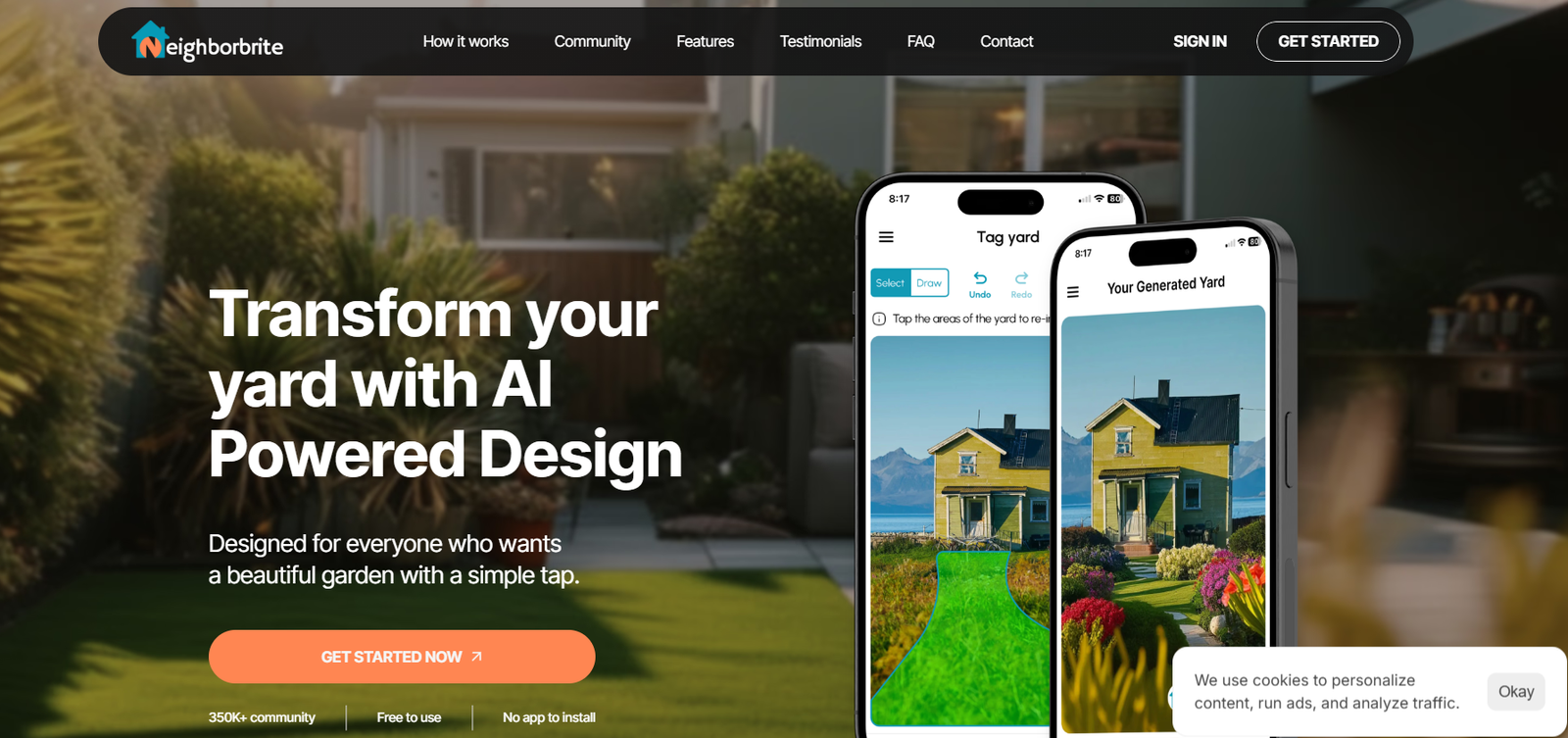
Neighborbrite is a cloud-based visualization platform designed to help cities, developers, and planners share planning and development projects with the public in a more engaging and interactive format. It allows users to create 3D visualizations, interactive maps, and scenario comparisons that make complex planning concepts easy to understand.
Unlike static documents or one-time meetings, Neighborbrite’s digital experience provides a self-guided and interactive interface where residents can explore proposed developments, offer feedback, and see the potential impact of changes in real-time.
The platform is built with public transparency in mind, making it ideal for urban planning departments, community engagement consultants, and real estate developers looking to build trust and collaboration with local stakeholders.
Features
Neighborbrite enables users to upload and visualize planning projects using interactive 2D and 3D maps. These visualizations are embedded into a custom web portal that residents can access from any device—no downloads required.
The platform supports zoning overlays, before-and-after visuals, rendering uploads, and planning scenarios, allowing community members to understand proposals spatially and contextually. The visual experience is intuitive, with clickable layers, toggles, and filters that users can manipulate to explore different outcomes.
Stakeholders can integrate surveys and feedback forms directly into the visualizations, turning the platform into a two-way engagement tool. Data collected through the platform helps planners and developers make informed decisions based on community input.
Neighborbrite also supports branding customization, so cities and developers can maintain a consistent visual identity. Project teams can track engagement metrics, such as views, feedback submissions, and hotspot clicks, providing insight into public interest and participation.
How It Works
To get started with Neighborbrite, users set up a project dashboard where they upload spatial data, images, architectural renderings, and planning documents. The system then transforms this content into an interactive web experience accessible via a shareable link.
Project creators can use built-in tools to create zones, add annotations, place callout icons, and set up multiple viewing perspectives. These elements help illustrate design intentions and highlight key points of interest.
The interface supports geolocation and satellite imagery so viewers can see how a proposed change would look within their own neighborhood. When viewers interact with the platform, their input is tracked and collected, which project managers can later analyze for reporting or refinement.
The entire process is managed through a browser-based portal, making it easy for non-technical users to update content or adjust visuals as projects evolve.
Use Cases
Neighborbrite is ideal for municipal governments that want to improve transparency around development initiatives, such as rezoning proposals, infrastructure changes, or long-term planning strategies.
Urban planning agencies use the platform to explain complex projects like greenway expansions, parking policy changes, or transit development to a broad audience in a visually appealing way.
Real estate developers utilize Neighborbrite to communicate their vision to the public and decision-makers, helping secure approvals and public support for mixed-use developments or housing projects.
Community engagement consultants integrate Neighborbrite into public outreach strategies, offering a centralized digital experience where stakeholders can learn, interact, and provide feedback.
Environmental and sustainability organizations use the platform to showcase impact areas for green infrastructure or conservation projects, aligning visuals with policy goals.
Pricing
Neighborbrite operates on a custom pricing model based on project size, number of users, features required, and duration of engagement. Pricing is not listed publicly on the website.
Interested parties are encouraged to contact the Neighborbrite team through the website to schedule a demo and receive a tailored quote. This approach allows flexibility for municipalities and developers working within different budget constraints or project scopes.
While pricing varies, the platform is positioned as a cost-effective alternative to traditional engagement methods that often require extensive manual work and in-person meetings.
Strengths
Neighborbrite’s most notable strength is its ability to simplify complex planning data through interactive and engaging visuals. It transforms dense policy information into clear, visual experiences that increase public understanding and participation.
The platform is device-agnostic and does not require an app download, making it highly accessible. Its interactive features promote active learning and engagement, rather than passive reading.
By providing real-time feedback and usage metrics, Neighborbrite helps planners and developers adjust their messaging or project details based on actual community interest. The platform is also customizable, allowing teams to brand the experience according to their organization or municipality.
Neighborbrite helps build trust between institutions and the public by making planning more transparent, visual, and participatory.
Drawbacks
As a specialized platform, Neighborbrite is most valuable for organizations with ongoing or large-scale planning needs. For very small or one-off projects, the setup and customization effort may outweigh the benefits.
The lack of publicly available pricing may be a barrier for teams in the early budgeting phase. While the platform is user-friendly, teams without internal GIS or planning expertise may need onboarding support to prepare visual materials and datasets.
Additionally, internet access is required to view the platform, which could limit engagement in communities with low digital connectivity or technology adoption.
Comparison with Other Tools
Compared to traditional public engagement tools such as surveys, PDFs, and static websites, Neighborbrite offers a far more interactive and visual approach. Unlike general-purpose mapping tools like ArcGIS Online, Neighborbrite is tailored specifically for public engagement, with built-in features like surveys, branding, and guided walkthroughs.
Tools like Urban SDK or Remix also offer data visualization for cities, but they focus more on data analysis than community storytelling. Neighborbrite fills a unique space by emphasizing clear communication and visual accessibility for non-technical users.
Its simplicity and visual clarity make it ideal for planners who want to reach broader audiences beyond policy professionals or city staff.
Customer Reviews and Testimonials
While detailed testimonials are not published directly on the homepage, Neighborbrite showcases successful deployments with various U.S. cities and planning agencies. Use cases on the site highlight how cities have increased public participation, improved feedback quality, and accelerated project approvals using the platform.
Professionals in urban planning and public engagement have praised Neighborbrite for its clarity, ease of use, and ability to present data in an intuitive format. The platform is particularly appreciated in settings where community trust and clear communication are vital for moving projects forward.
Users also note the responsiveness of the Neighborbrite team, particularly during onboarding and implementation.
Conclusion
Neighborbrite is a modern, visual-first solution for transforming how cities, developers, and planners engage with the public. Its interactive maps, 3D visuals, and built-in feedback tools make complex planning projects easier to understand and more engaging for communities.
By bridging the gap between technical planning data and public comprehension, Neighborbrite improves transparency, enhances collaboration, and fosters more informed community input. For municipalities and organizations looking to modernize their approach to public engagement, Neighborbrite is a powerful, purpose-built tool.