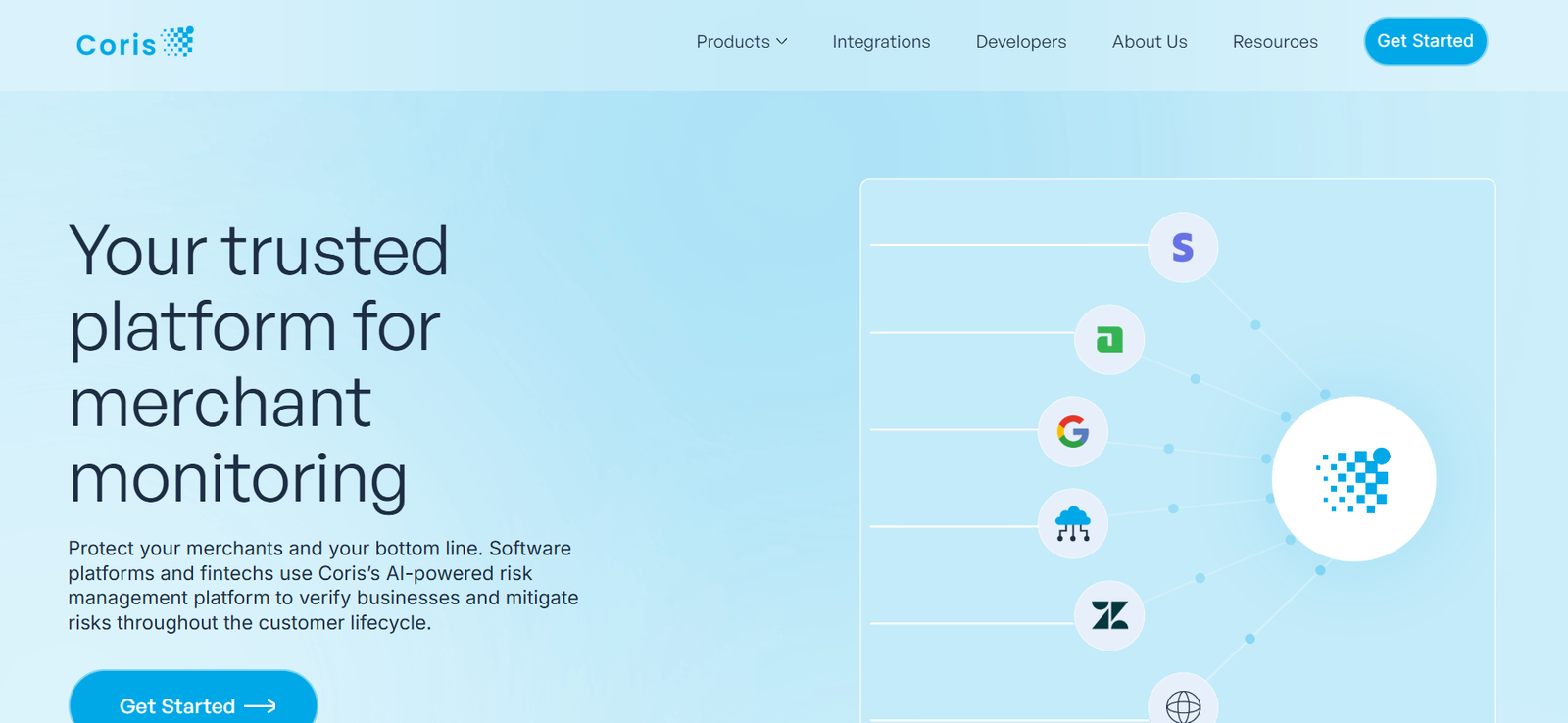
Coris is an AI-powered platform built to improve clinical safety and reduce risks across healthcare organizations. It acts as an intelligent copilot for patient safety, helping hospitals and health systems automatically detect incidents, identify systemic risks, and surface actionable insights to reduce harm. By leveraging natural language processing and real-time data analysis, Coris brings a proactive approach to risk detection—transforming unstructured clinical data into critical safety intelligence.
Coris is designed to integrate seamlessly with existing hospital systems and workflows, allowing risk, quality, and safety teams to identify patterns, prevent harm, and drive better outcomes without manual chart reviews. Built for modern healthcare, the platform enables a shift from reactive incident reporting to proactive safety monitoring, enhancing both patient outcomes and operational efficiency.
Features
Coris offers a range of features that empower healthcare leaders to better manage risk and safety:
AI Incident Detection
Automatically scans clinical notes, EHR entries, and other unstructured data to identify adverse events and near misses in real time.
Natural Language Processing
Uses advanced NLP models trained on medical language to extract critical safety signals from physician notes, nursing documentation, and reports.
Risk Aggregation and Trend Analysis
Surfaces emerging trends and risk areas across units, departments, or populations by aggregating detected events over time.
Real-Time Dashboards
Provides interactive dashboards that visualize safety signals, incident rates, and potential areas for intervention.
Root Cause Insights
Automatically connects the dots between individual incidents and larger system-level issues that may require process changes or policy updates.
Compliance Reporting
Helps organizations stay aligned with safety reporting mandates by generating structured incident documentation and summaries.
EHR Integration
Works alongside existing electronic health record systems for passive data ingestion without disrupting clinical workflows.
Custom Alerting and Prioritization
Allows teams to configure alerts for high-risk events, departments, or patient populations to support timely intervention.
Data Privacy and Security
Compliant with healthcare regulations such as HIPAA, with end-to-end encryption and robust access controls.
Multi-Stakeholder Access
Supports collaboration between safety officers, clinicians, operations, and leadership teams with role-based views.
How It Works
Coris is designed to plug into a healthcare organization’s existing IT infrastructure, particularly its EHR systems. Once integrated, the platform ingests clinical data—especially unstructured narrative notes—from multiple sources, including physician progress notes, nursing documentation, and patient incident reports.
The core engine applies medical-grade natural language processing to scan for language that may indicate an adverse event, such as medication errors, patient falls, delayed diagnoses, or care complications. These signals are automatically extracted and structured for further analysis.
Coris then categorizes the identified incidents and maps them to clinical risk categories. Dashboards display trends over time, spotlight emerging risks, and show where intervention is most needed. Safety and quality teams can drill down into specific cases, track progress, and collaborate on improvements.
Unlike traditional incident reporting systems that rely on voluntary submissions, Coris operates passively and continuously, making it far more comprehensive in detecting real-world safety issues across the care continuum.
Use Cases
Coris supports a broad range of applications in clinical safety and operational improvement:
Automated Event Detection
Identify adverse events across large patient populations without waiting for manual incident reports.
Proactive Risk Management
Monitor trends and systemic issues before they escalate into larger patient safety concerns.
Quality and Safety Reporting
Generate data-driven reports for internal quality teams, leadership reviews, or regulatory audits.
Clinical Decision Support
Provide contextual risk alerts that support frontline staff in real time or near real time.
Patient Harm Reduction
Track common causes of preventable harm and launch targeted interventions across departments.
Process Improvement
Use aggregated data to guide quality improvement initiatives such as reducing readmissions or improving medication safety.
Accreditation and Compliance
Support readiness for regulatory inspections and certifications by demonstrating a robust safety intelligence system.
Leadership Oversight
Enable healthcare executives to make informed decisions based on real-time safety trends and risk indicators.
Pricing
Coris does not publicly list its pricing, as its enterprise-grade platform is tailored to the unique size, data infrastructure, and needs of each healthcare organization. Pricing depends on several factors, including:
Number of facilities and beds
Volume of data processed
Integration requirements with EHR and other clinical systems
Level of customization and analytics needed
Training, onboarding, and support packages
Interested health systems, hospitals, or digital health platforms can request a personalized demo and proposal through the Coris contact page.
Strengths
Coris offers several compelling advantages for healthcare organizations committed to improving safety:
AI-Driven Efficiency
Automates what would otherwise be hundreds of hours of manual chart reviews and incident tracking.
Proactive Risk Detection
Identifies potential harm events before they are formally reported, enabling earlier intervention.
Scalable Intelligence
Designed to handle large volumes of unstructured data across multiple facilities and departments.
EHR-Friendly Integration
Works with existing hospital systems without requiring workflow changes for clinicians.
Customizable Alerts
Gives safety and quality teams control over what types of risks to monitor more closely.
Actionable Insights
Goes beyond detection to provide root-cause patterns and process improvement guidance.
HIPAA Compliance
Built with strong privacy, encryption, and security protocols for clinical environments.
Modern User Interface
Easy-to-use dashboards and reports that simplify the visualization of safety metrics and trends.
Drawbacks
While Coris offers valuable functionality, there are some limitations or considerations:
Enterprise Only
Primarily targeted at large health systems and hospitals, which may limit accessibility for small clinics.
Custom Pricing Model
Lack of transparent pricing may delay evaluation or budget planning for some prospective users.
Initial Setup Time
Integration with EHRs and customization of alert systems may require time and collaboration with IT departments.
Dependence on EHR Quality
The accuracy of detection can be influenced by the quality and consistency of clinical documentation.
Limited Public Case Studies
As an emerging platform, Coris has limited public testimonials or published third-party evaluations as of now.
Comparison with Other Tools
Coris can be compared with patient safety and risk platforms such as RLDatix, VigiLanz, and Patient Safety Net (PSN).
Coris vs RLDatix
RLDatix offers incident reporting and risk management tools. Coris automates event detection using AI, reducing reliance on manual submissions.
Coris vs VigiLanz
VigiLanz focuses on real-time clinical surveillance but often requires more intensive configuration. Coris emphasizes AI-driven NLP and fast deployment for safety teams.
Coris vs PSN
Patient Safety Net is EHR-integrated but primarily reactive. Coris is proactive, using NLP to catch incidents not formally reported.
Coris differentiates itself by using natural language processing to detect clinical risks directly from narrative notes, offering a proactive safety intelligence system that complements or replaces traditional incident tracking methods.
Customer Reviews and Testimonials
As of the latest update, Coris does not feature public customer testimonials or case studies on its website. However, the platform has been spotlighted in health tech publications and is being adopted by forward-thinking hospitals focused on improving patient safety through data-driven methods.
Feedback shared via industry interviews and early adopter discussions highlights:
A significant increase in identified safety events compared to manual reporting
Time savings for risk and quality teams
Greater visibility into system-level risk patterns
Improved preparation for audits and compliance reviews
Healthcare organizations interested in references or pilot outcomes are encouraged to schedule a live demo or reach out through the Coris team directly.
Conclusion
Coris is a next-generation AI platform designed to transform how healthcare systems detect and manage clinical risk. By analyzing unstructured data at scale and identifying incidents in real time, Coris empowers safety and quality teams to act faster, smarter, and more proactively.
Its combination of advanced NLP, seamless EHR integration, and actionable dashboards positions Coris as a powerful alternative to outdated, manual incident reporting tools. With growing pressure on hospitals to improve safety, reduce harm, and meet compliance demands, Coris delivers the intelligence needed to stay ahead of risk.
For healthcare organizations ready to modernize their safety infrastructure, Coris is a highly promising solution built for the challenges of today’s complex care environments.