Planetary Computer is an open, AI-powered platform developed by Microsoft to support environmental sustainability by providing global-scale data, advanced analytics, and tools for monitoring the planet. It combines petabytes of geospatial and environmental datasets with cloud-based APIs and computational resources to enable scientists, researchers, and policymakers to tackle climate change, biodiversity loss, and environmental degradation.
By making environmental data more accessible and actionable, Planetary Computer empowers users to better understand Earth’s systems and make informed decisions that promote planetary health. It’s part of Microsoft’s broader sustainability commitment and supports open science and conservation efforts around the globe.
Features
Planetary Computer includes a powerful ecosystem of tools, datasets, and services designed to facilitate large-scale environmental analysis.
One of its central features is the Data Catalog, which hosts open, standardized geospatial datasets covering land use, climate, hydrology, biodiversity, and human impact. Datasets include satellite imagery (like Landsat and Sentinel), global climate models, biodiversity records, and land cover classifications.
The platform offers STAC APIs (SpatioTemporal Asset Catalog) for querying datasets by location, time, and type. These APIs make it easy to access and filter large geospatial datasets for precise analysis.
The Hub provides a Jupyter-based development environment where users can run Python and R code directly in the cloud, connected to the Planetary Computer data catalog. This environment supports scalable computing for data exploration, machine learning, and visualization.
Planetary Computer also provides analytical tools and libraries such as pystac-client, stackstac, xarray, and rasterio, all pre-configured in the hosted environment.
The Zarr data format is used for fast, cloud-native access to multidimensional arrays, enabling efficient analysis of high-resolution datasets.
Planetary Computer emphasizes reproducible science with support for open-source packages, version-controlled notebooks, and collaborative workflows.
How It Works
Planetary Computer integrates global-scale environmental datasets with cloud computing infrastructure hosted on Microsoft Azure.
Users begin by exploring the Data Catalog, filtering by domain (e.g., climate, land cover, water), geographic region, or dataset type. The platform provides metadata and licensing information to guide appropriate use.
Through the STAC API, users can search and retrieve imagery and data assets programmatically. Once selected, data can be loaded into the Planetary Computer Hub, a JupyterLab environment where users analyze datasets using Python or R.
The cloud environment comes preloaded with open-source geospatial analysis libraries and tools for remote sensing, machine learning, and mapping.
This setup allows users to perform everything from basic data visualization to complex AI model training using high-resolution, global-scale datasets—without needing to download or store the data locally.
Researchers can also deploy applications or dashboards for public or private use, depending on their project goals.
Use Cases
Planetary Computer is designed for a variety of environmental and sustainability-focused applications.
Conservation scientists use it to analyze habitat changes, model species distribution, and monitor deforestation or wetland loss.
Climate researchers rely on the platform to track temperature anomalies, snow cover, and long-term weather patterns using satellite and model data.
Urban planners and governments use land use and human settlement data to assess environmental risks, plan development, and improve resilience.
NGOs and international organizations use the platform to support conservation campaigns, disaster response planning, and environmental policy development.
Data scientists and developers build tools and models for biodiversity mapping, water monitoring, or renewable energy planning using the platform’s open APIs.
Educators and students use the Planetary Computer for real-world geospatial learning, supporting remote sensing and environmental science education.
Pricing
Planetary Computer is free to access and use, as part of Microsoft’s commitment to open data and global sustainability.
Access to the Data Catalog and APIs is open and does not require payment.
The Planetary Computer Hub (Jupyter environment) is also free, though access may require a request and approval for resource allocation.
Users who wish to scale up compute capacity or integrate with other Azure services may incur charges through their own Azure accounts.
Microsoft provides grant-funded support and collaboration opportunities for institutions and projects that align with environmental and conservation goals.
Strengths
Planetary Computer’s primary strength is its ability to combine massive open datasets with scalable computing infrastructure, eliminating the need for local storage or expensive hardware.
Its open-source ethos and compatibility with modern data science tools make it attractive to developers, researchers, and institutions.
The platform supports real-time and historical data analysis, making it suitable for both short-term environmental monitoring and long-term scientific research.
Integration with Microsoft Azure ensures reliability, security, and scalability for complex workloads.
Planetary Computer advances data equity by making advanced environmental datasets accessible to users worldwide, regardless of institution or location.
Drawbacks
One limitation is that full use of cloud compute resources beyond the default free tier may require a Microsoft Azure subscription, which could introduce costs for advanced users.
The platform is designed for users with some technical background in geospatial analysis or programming. Non-technical users may face a learning curve, particularly when using APIs or Jupyter notebooks.
Although it includes many datasets, some geographies or domains may have limited coverage, depending on availability and data partnerships.
Because Planetary Computer is cloud-based, users with limited internet bandwidth may experience performance challenges when accessing large datasets.
Comparison with Other Tools
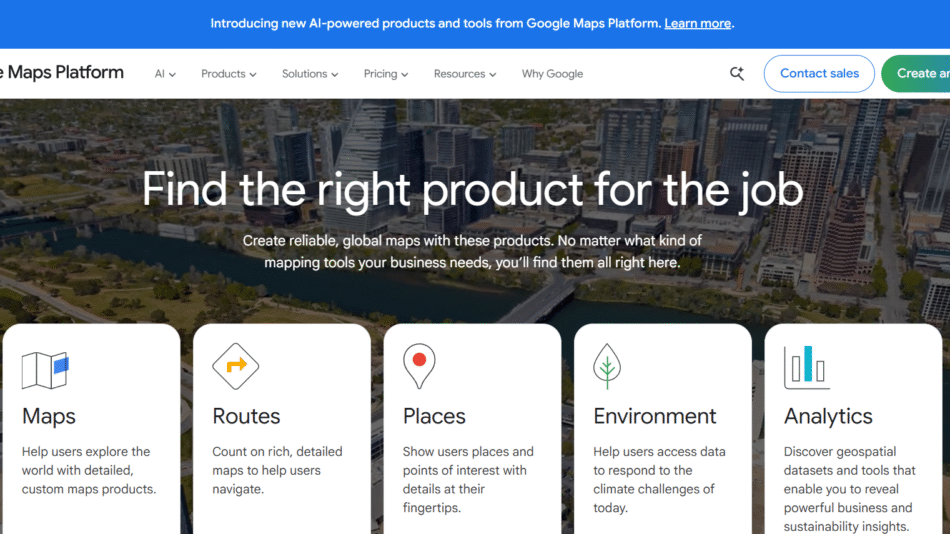
Compared to tools like Google Earth Engine, Planetary Computer offers a similar vision—enabling scalable, cloud-based geospatial analysis—but with an open-source and more modular architecture.
While Google Earth Engine provides a proprietary JavaScript API and GUI interface, Planetary Computer favors open standards (like STAC) and Python-based workflows, giving more flexibility to developers.
In contrast to commercial platforms like Esri ArcGIS Online, Planetary Computer is completely open and research-oriented, not focused on commercial mapping or proprietary toolkits.
Compared to Amazon Web Services Open Data Registry, Planetary Computer delivers a more integrated analytical environment, with prebuilt compute tools and community-focused collaboration spaces.
Customer Reviews and Testimonials
Planetary Computer has been adopted by leading environmental organizations such as The Nature Conservancy, World Resources Institute, and Conservation International.
User feedback highlights the platform’s ability to accelerate environmental research, reduce infrastructure costs, and enable high-impact applications in conservation, climate modeling, and disaster monitoring.
Researchers praise its combination of open datasets and scalable cloud tools, as well as its focus on reproducible science and collaboration.
The platform is frequently cited in academic publications and global sustainability forums for its contribution to data transparency and science-informed decision-making.
Conclusion
Planetary Computer is a groundbreaking platform that democratizes access to environmental data and high-performance computing tools. Developed by Microsoft, it supports a global community of researchers, policymakers, and developers working toward sustainability and environmental resilience.
With powerful APIs, open datasets, and scalable Jupyter-based infrastructure, Planetary Computer offers a flexible, open environment for tackling some of the world’s most pressing environmental challenges.
As the demand for climate data and sustainable development tools grows, Planetary Computer stands out as a critical resource for accelerating innovation in earth science and conservation.