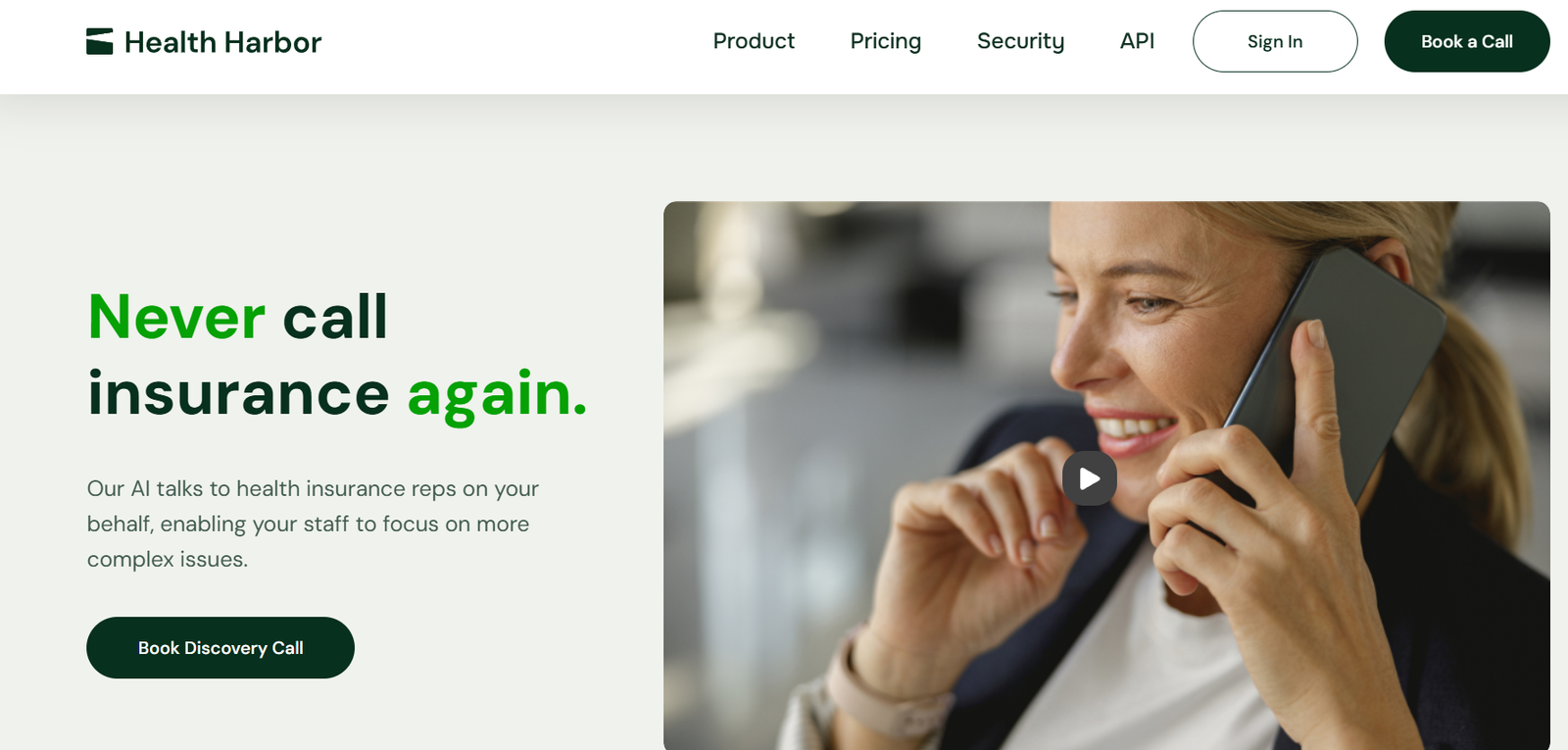
HealthHarbor is a healthcare AI platform built to improve clinical documentation, coding accuracy, and financial performance in hospitals and health systems. The platform helps identify missed or undocumented diagnoses by analyzing both structured and unstructured EHR data in real time.
HealthHarbor empowers CDI (Clinical Documentation Integrity), coding, and revenue cycle teams to take timely action before patient discharge, ensuring that diagnoses are fully captured and reflected in the medical record. This helps health systems recover revenue that might otherwise be lost due to undercoding or incomplete documentation—without increasing clinician burden.
Features
HealthHarbor offers a comprehensive suite of features tailored to hospital coding, documentation, and compliance workflows:
AI Diagnosis Detection: Identifies undocumented and misclassified diagnoses based on patient data.
Structured and Unstructured Data Analysis: Reviews notes, vitals, labs, and clinical documentation for overlooked conditions.
Real-Time Opportunity Alerts: Surfaces opportunities for CDI specialists and coders before the case is finalized.
Pre-Bill Review Automation: Ensures coding accuracy and compliance prior to billing.
Clinical Validation Support: Aligns suggestions with official coding and documentation guidelines.
EHR Integration: Connects with existing hospital EHRs for seamless data access and workflow alignment.
Secure and Compliant: HIPAA-compliant infrastructure with audit tracking and reporting tools.
User Dashboard: Presents actionable recommendations with supporting evidence and citations.
Workflow Prioritization: Ranks cases by revenue impact and likelihood of missed documentation.
Coding Team Enablement: Helps coders validate and code with speed and confidence.
How It Works
HealthHarbor works by passively analyzing patient data during hospital stays to catch opportunities in real time. Here’s how the system functions:
Data Extraction: Pulls both structured (labs, medications, vitals) and unstructured (notes, consults, H&P) data from the EHR.
AI-Driven Analysis: Uses machine learning to scan for clinical indicators that suggest a missed diagnosis.
Opportunity Surfacing: Flags conditions like sepsis, acute kidney injury, malnutrition, and respiratory failure.
Team Alerts: Sends prioritized recommendations to CDI and coding teams within their existing workflows.
Review and Action: Coders and documentation teams review flagged diagnoses, validate, and document updates before final coding.
Billing & Compliance: Once validated, diagnoses are reflected in billing and align with CMS requirements.
This closed-loop system improves coding integrity, reduces revenue leakage, and supports audit readiness.
Use Cases
HealthHarbor is designed to support healthcare providers in several high-impact documentation and compliance workflows:
Hospital Inpatient CDI: Identify under-documented comorbidities that influence DRG and reimbursement.
Pre-Bill Quality Review: Flag incomplete documentation that could delay or deny payment.
Revenue Integrity Programs: Recover lost revenue from missed coding opportunities.
Audit Defense: Provide supporting clinical context to justify submitted diagnoses.
Risk Adjustment Optimization: Ensure accurate HCC capture for value-based payment models.
Physician Documentation Support: Enable more complete records without increasing provider workload.
Pricing
HealthHarbor does not list public pricing on its website. It uses a custom pricing model based on:
Number of beds or inpatient volume
Integration requirements with existing EHR and IT systems
Scope of CDI and coding teams
Level of support, onboarding, and training
Custom reporting and analytics needs
Healthcare organizations can request a tailored demo and pricing discussion by contacting HealthHarbor through the official website.
Strengths
HealthHarbor provides several advantages for hospitals and health systems:
Improves diagnosis capture accuracy and case mix index (CMI)
Reduces missed revenue from undercoding
Identifies documentation gaps without increasing physician burden
Supports real-time decision-making for CDI and coding teams
Customizable workflows that integrate with existing EHRs
HIPAA-compliant and built with healthcare-grade security
Helps organizations meet value-based care documentation standards
Easy-to-use dashboards and clinical validation tools
Drawbacks
While HealthHarbor is a robust platform, some potential limitations include:
No self-service plan for smaller practices or solo providers
Requires data integration and alignment with internal IT resources
AI effectiveness depends on quality of available EHR data
No public-facing user reviews on platforms like G2 or Capterra
Focused on inpatient workflows—may not support outpatient use cases
Comparison with Other Tools
HealthHarbor operates in a competitive landscape of clinical documentation and revenue integrity solutions. Comparable platforms include:
SmarterDx: Focuses on real-time inpatient diagnosis capture with strong clinical decision support.
Eleos Health: Targets behavioral health documentation, not general hospital workflows.
3M 360 Encompass: A legacy CDI solution, often with heavier customization and onboarding requirements.
Optum CDI 360: Offers strong analytics but may lack real-time pre-bill flagging capabilities.
HealthHarbor differentiates itself with its real-time, AI-first workflow, pre-bill review automation, and intuitive dashboard interface for coders and CDI teams.
Customer Reviews and Testimonials
HealthHarbor does not currently feature public customer reviews on software review platforms. However, its website emphasizes partnerships with hospital systems and positive internal metrics, including:
Millions of dollars in recovered revenue
Significant reduction in missed diagnoses per case
Improved coder confidence and accuracy
Faster documentation workflows with fewer delays
Early users report that the platform helps their teams stay ahead of denials and improves overall documentation quality without adding complexity.
Conclusion
HealthHarbor is a next-generation platform built to solve one of healthcare’s most critical challenges: incomplete documentation leading to missed revenue and compliance risk. By using AI to identify under-documented diagnoses and supporting CDI and coding teams with real-time insights, HealthHarbor helps hospitals capture their full clinical and financial value.
With seamless integration into existing workflows, a clinician-friendly interface, and secure infrastructure, HealthHarbor makes accurate, compliant documentation both achievable and scalable. For organizations looking to improve documentation quality and financial performance, HealthHarbor provides a practical, intelligent solution built for modern healthcare operations.