Dream3D is an AI-powered platform that converts 2D images into detailed, photorealistic 3D models. Tailored primarily for product visualization and ecommerce, Dream3D helps businesses create high-quality digital assets without requiring traditional 3D design tools or expertise. Whether you are a marketer, product designer, or e-commerce brand manager, Dream3D enables the creation of customizable and exportable 3D assets in just minutes.
With simple uploads and intuitive AI workflows, Dream3D bridges the gap between static product photos and immersive, interactive 3D experiences. This technology unlocks new capabilities for augmented reality (AR), virtual showrooms, and online retail displays.
Features
Dream3D includes a suite of tools and automation features designed to streamline 3D content creation:
2D to 3D Model Generation: Upload product photos and instantly receive a 3D model generated with AI.
Photorealistic Textures: Outputs include high-quality textures and details for a realistic look and feel.
Ecommerce Optimization: Models are tailored for web and mobile display, supporting AR and interactive viewing experiences.
Simple UI and Workflow: Designed for users with no 3D modeling experience; just upload, preview, and export.
Multiple Format Support: Export models in industry-standard formats suitable for ecommerce platforms, 3D engines, and AR toolkits.
Rapid Turnaround: Generate high-quality 3D assets in minutes rather than days or weeks.
No 3D Scanning Required: Eliminates the need for complex scanning setups or physical manipulation of products.
Customization Options: Adjust camera angles, lighting, and textures to match brand aesthetics.
Cloud-Based Platform: Accessible from anywhere without software installation.
Team Collaboration: Share projects with collaborators or stakeholders directly from the platform.
How It Works
Using Dream3D is simple and efficient. Users start by uploading a high-quality image or a set of product photos. The platform’s AI engine analyzes the object in the image and generates a fully textured 3D mesh based on the input.
Once the model is generated, users can refine the asset using built-in tools for cropping, aligning, or optimizing materials and lighting. The 3D model can then be downloaded in formats such as GLTF, USDZ, or FBX—making it ready for integration into ecommerce platforms, AR viewers, or 3D design environments.
Dream3D also supports instant previews, enabling users to see how the product would appear in an online storefront or immersive AR context. This end-to-end flow drastically simplifies the 3D content creation pipeline.
Use Cases
Dream3D is particularly useful across industries where visual product representation drives engagement and sales:
Ecommerce and Retail: Create interactive 3D product views for online stores and mobile apps.
Product Design: Visualize design concepts in 3D without having to model from scratch.
Marketing and Advertising: Generate 3D visuals for campaigns, web banners, and AR ads.
Augmented Reality: Create ready-to-use assets for AR experiences on social media or branded apps.
Virtual Showrooms: Display collections and product lines in 3D without building a physical setup.
Prototyping and Presentation: Communicate ideas more clearly during early-stage design and stakeholder reviews.
Digital Catalogs: Replace static imagery with rich, interactive 3D content in digital catalogs and lookbooks.
Pricing
As of the information available on the Dream3D website, specific pricing details are not publicly listed. The platform appears to operate under a request-based model for access, suggesting that pricing may be customized based on usage, number of 3D assets required, or integration needs.
To use Dream3D, users are encouraged to apply for access or request a demo. This likely includes discussions around feature access, volume discounts, and potential enterprise integration options for ecommerce or design teams.
Strengths
Dream3D offers several advantages for teams and professionals looking to accelerate 3D asset creation:
Fast Asset Generation: Transforms 2D imagery into 3D models within minutes.
No Technical Expertise Needed: Designed for users with no background in 3D design or modeling.
AR and Web-Ready Output: Models can be used immediately for digital campaigns and ecommerce.
Photorealistic Results: Visual quality is suitable for high-end product marketing.
Cloud Accessibility: Access from any device with internet, no software installation required.
Supports Multiple Formats: Easily integrate models into existing digital workflows or platforms.
Streamlines Workflows: Reduces reliance on external 3D agencies or complex production pipelines.
Drawbacks
While Dream3D is powerful, there are a few limitations to consider:
Limited Control Over Mesh Editing: Users may not have deep control over mesh geometry compared to traditional 3D tools.
Dependent on Image Quality: The quality of output is highly influenced by the quality and angle of the input photos.
No Public Pricing: Lack of transparent pricing may delay decision-making for smaller teams.
Focused Use Case: Best suited for product visualization; not ideal for scanning large environments or complex animations.
Requires Access Approval: Not instantly usable—interested users must apply or schedule a consultation.
Comparison with Other Tools
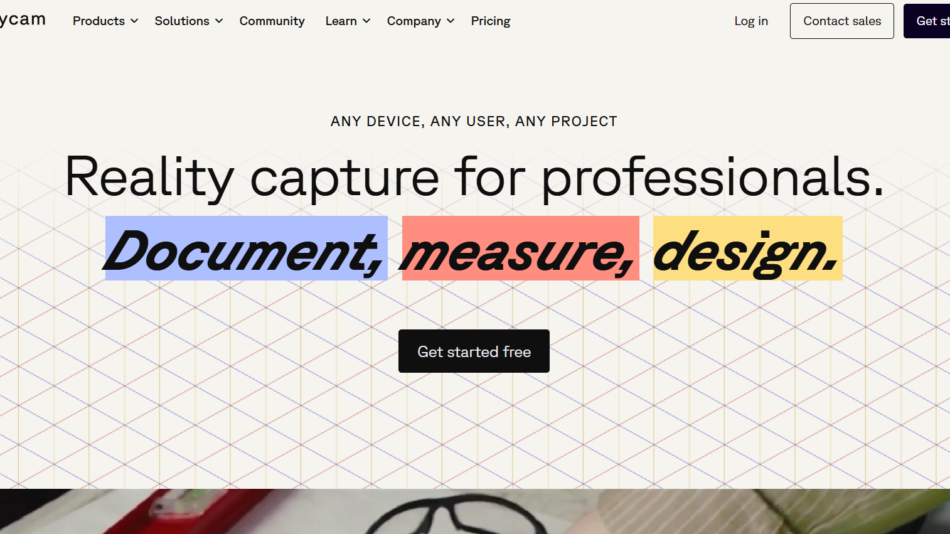
Dream3D vs. Polycam: While Polycam captures 3D via LiDAR or photogrammetry, Dream3D generates models from single or multiple images without physical scanning.
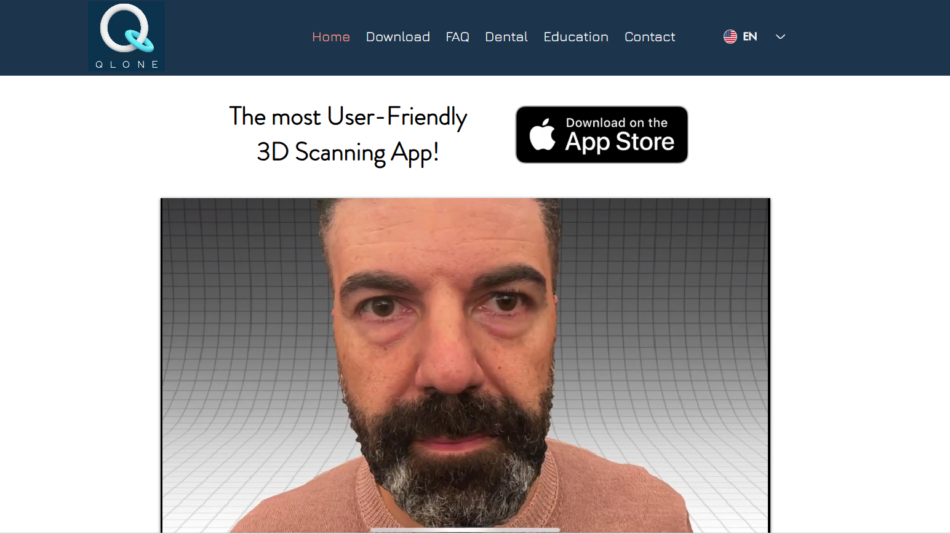
Dream3D vs. Qlone: Qlone focuses on object scanning using a mobile device and mat. Dream3D removes physical scanning altogether by relying on AI image interpretation.
Dream3D vs. Adobe Substance 3D: Adobe tools offer deeper control and rendering tools but require technical skill. Dream3D is more accessible and quicker for basic ecommerce models.
Dream3D vs. CGTrader or Sketchfab: These platforms provide pre-built models. Dream3D generates custom models from your own products, ensuring unique and brand-specific assets.
Dream3D vs. Human 3D Services: Traditional 3D studios offer handcrafted models but are time-intensive and expensive. Dream3D is faster and more cost-effective with scalable outputs.
Customer Reviews and Testimonials
While Dream3D does not yet display public reviews or customer testimonials, its website highlights potential use cases and benefits for ecommerce brands and design teams.
Early adopters in ecommerce and product development are likely to appreciate the platform’s ability to eliminate the need for 3D modeling experience, reduce content creation timelines, and support visual merchandising across channels.
Conclusion
Dream3D offers a powerful and accessible approach to 3D asset creation for ecommerce, marketing, and digital product visualization. By turning 2D product images into realistic 3D models, it streamlines a once-complex process into a fast, AI-driven workflow that anyone can use.
Whether you’re launching a new product line or enhancing your digital storefront, Dream3D makes it easy to create immersive, high-quality 3D content without the learning curve or cost of traditional 3D modeling software. For teams looking to modernize their visual content and support AR-ready experiences, Dream3D provides a smart, scalable solution.