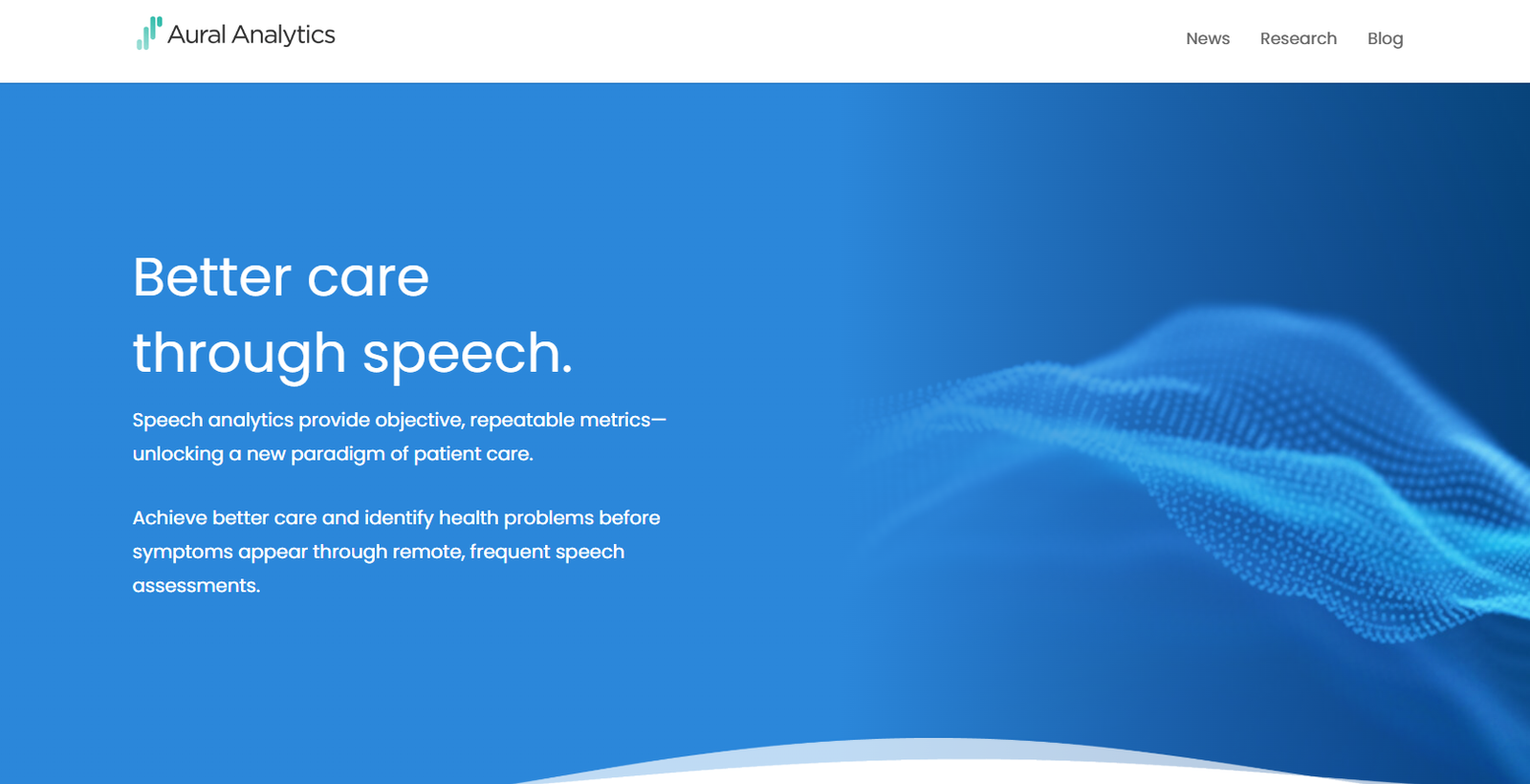
Aural Analytics is an innovative health technology company that leverages artificial intelligence and speech science to extract clinically meaningful insights from speech. The platform transforms simple voice recordings into digital biomarkers that help monitor neurological health and cognitive function.
Founded by experts in neuroscience, speech pathology, and machine learning, Aural Analytics has developed clinically validated, device-agnostic solutions that are being used in healthcare systems, clinical trials, and remote patient monitoring environments.
By turning everyday speech into data, Aural Analytics supports the early detection, monitoring, and management of conditions such as Alzheimer’s disease, ALS (Amyotrophic Lateral Sclerosis), Parkinson’s disease, and other neurological or cognitive disorders.
Features
AI-Based Speech Analytics: The platform uses proprietary algorithms to analyze aspects of speech such as articulation, fluency, prosody, and vocal quality. These features are mapped to neurological and cognitive health indicators.
Speech Vitals®: Aural Analytics’ core product, Speech Vitals, delivers objective metrics that track changes in speech over time. It enables clinicians and researchers to monitor disease progression and treatment effects non-invasively.
Device-Agnostic Deployment: The platform works across smartphones, tablets, and computers, allowing flexible data collection in both clinical and remote settings.
Multilingual Support: Speech Vitals is available in multiple languages, supporting global research initiatives and cross-cultural healthcare deployments.
Real-Time Analytics: The system processes speech recordings in real-time, generating actionable insights quickly for clinicians, researchers, or caregivers.
API Integration: Aural Analytics provides APIs for seamless integration into electronic health record (EHR) systems, digital therapeutics, and clinical trial platforms.
Secure and Compliant: The platform is HIPAA and GDPR compliant, ensuring secure handling of sensitive patient data and adherence to international healthcare data standards.
Validated Across Conditions: The technology has been clinically validated across multiple disorders, including ALS, Parkinson’s disease, frontotemporal dementia, and mild cognitive impairment.
How It Works
Aural Analytics collects short speech samples through its mobile or web-based applications. Patients are typically asked to perform specific speech tasks such as reading aloud, describing a picture, or engaging in spontaneous conversation.
Once the speech is recorded, the platform’s AI engine analyzes hundreds of linguistic and acoustic features. These include variables such as word-finding ability, speaking rate, pause duration, articulation precision, and prosodic variation.
The resulting metrics are compiled into a structured report that reflects the speaker’s cognitive and motor speech health. These reports can be used by clinicians to detect early signs of neurological decline, track the progression of a known condition, or evaluate the impact of therapeutic interventions.
The process is entirely non-invasive, requires minimal training, and takes only a few minutes to complete. Its simplicity makes it ideal for high-frequency monitoring in both clinical and home settings.
Use Cases
Aural Analytics is used in multiple healthcare and research environments where speech can serve as a non-invasive window into neurological health.
In clinical trials, the platform provides objective speech biomarkers as endpoints for studying the progression of diseases like ALS, Alzheimer’s, and Parkinson’s. This allows pharmaceutical companies to measure treatment effects more precisely.
In outpatient care, Speech Vitals supports clinicians in monitoring cognitive or neurological decline between visits, helping personalize treatment and identify emerging issues before they worsen.
In telehealth, Aural Analytics enables remote patient monitoring, making it possible to track symptoms and disease activity without requiring in-person visits.
The platform is also used in academic research to study speech patterns across various conditions and demographics, contributing to the growing body of knowledge around digital biomarkers and neurodegenerative diseases.
Additionally, digital health companies integrate Aural Analytics into their platforms to enhance cognitive assessments and remote monitoring capabilities.
Pricing
Aural Analytics does not publish public pricing information on its website. Pricing is generally customized based on the use case, number of users, deployment scale, and integration requirements.
Clinical providers, researchers, and healthcare technology vendors interested in using the platform are encouraged to contact Aural Analytics directly for tailored pricing based on their specific operational and technical needs.
The company offers licensing models for healthcare systems, academic research institutions, pharmaceutical trials, and digital health platforms.
Strengths
One of the major strengths of Aural Analytics is its ability to deliver objective, non-invasive neurological insights from a simple speech recording. This makes it a low-barrier tool for early detection and longitudinal monitoring of cognitive and motor disorders.
Its scalability and compatibility with everyday devices allow broad deployment in clinical, research, and at-home environments, enabling decentralized data collection.
Another strength is the clinical validation of its AI algorithms across multiple disease states. The platform has been tested in real-world clinical trials and peer-reviewed research, increasing its credibility and adoption potential.
The company’s focus on multilingual and multicultural speech datasets also enhances its applicability in global healthcare and research contexts.
Security and compliance are well-handled, with adherence to HIPAA and GDPR standards, which is essential for handling sensitive healthcare data.
Drawbacks
One limitation of Aural Analytics is that while it offers a powerful speech-based biomarker platform, it does not currently analyze other clinical data types such as imaging or genomics. Organizations looking for a more comprehensive digital biomarker platform may require integration with additional tools.
Another challenge is the dependence on consistent speech input quality. Background noise, poor microphone quality, or user error can affect the accuracy of the results, particularly in uncontrolled home environments.
For clinicians unfamiliar with speech biomarkers, there may be a learning curve in interpreting the metrics provided by the platform. However, this can be mitigated with training and education materials.
Pricing transparency is another drawback, as lack of published costs can be a barrier for smaller practices or research groups in early budgeting phases.
Comparison with Other Tools
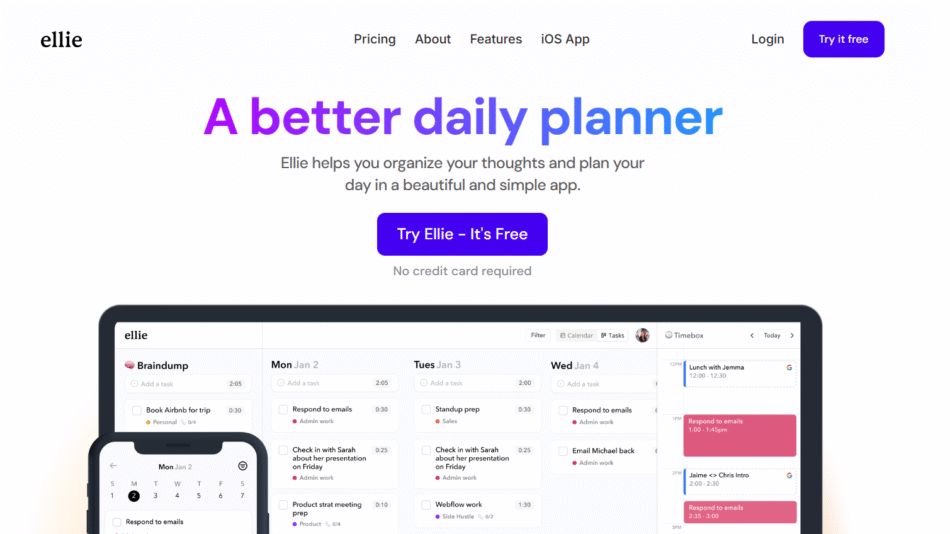
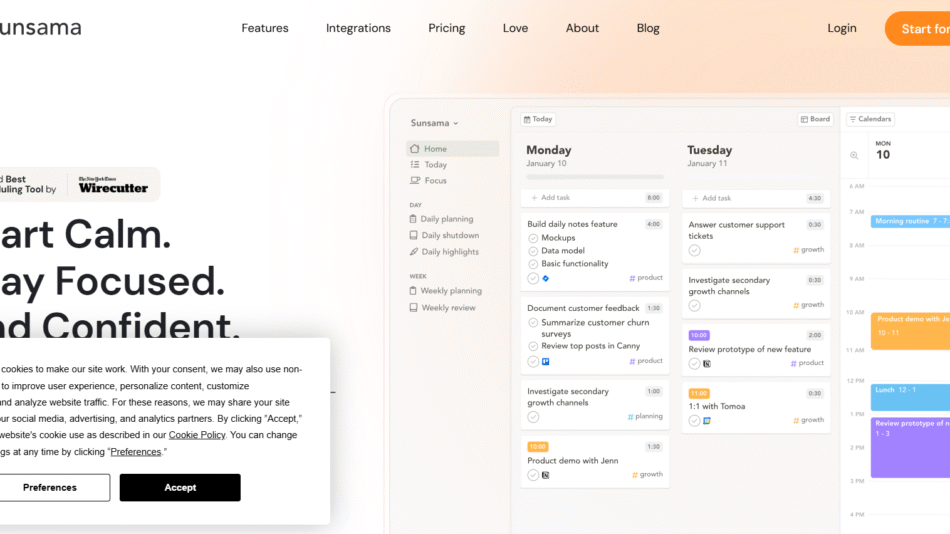
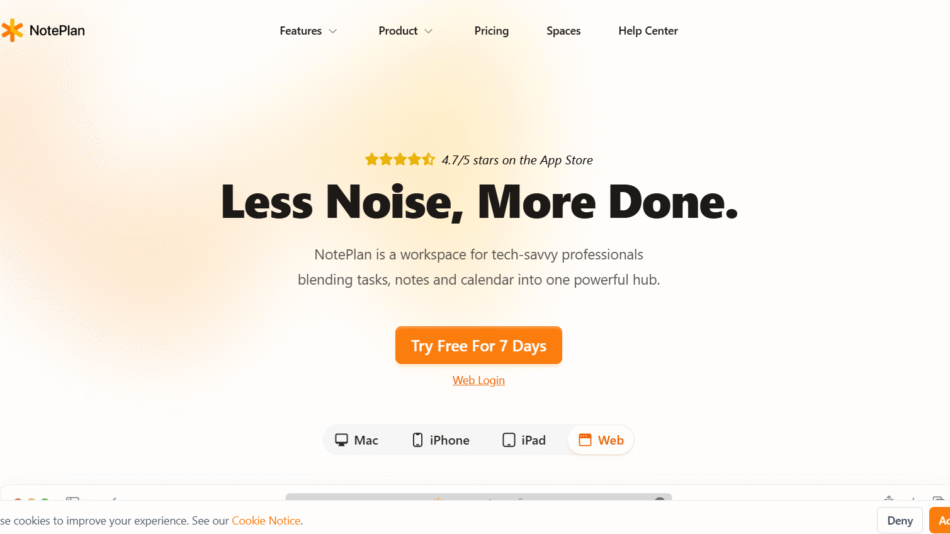
Aural Analytics can be compared to other speech analysis tools like Winterlight Labs and Sonde Health.
Winterlight Labs also focuses on cognitive health but emphasizes linguistic features such as grammar and vocabulary use. Sonde Health analyzes voice to assess mental health and respiratory fitness.
Aural Analytics stands out with its broader clinical validation across neurological disorders and its focus on both acoustic and linguistic biomarkers. It also supports a wider range of deployment environments, including integration with clinical trials and digital therapeutics platforms.
While other tools may specialize in mental health screening or emotional state detection, Aural Analytics offers a more disease-specific and clinically rigorous approach to speech as a diagnostic and monitoring tool.
Customer Reviews and Testimonials
While Aural Analytics does not display traditional user testimonials on its homepage, the platform has been widely adopted in leading clinical research institutions and pharmaceutical trials.
The company has received multiple grants and partnerships, including collaborations with the ALS Association, major university medical centers, and large pharmaceutical firms conducting neurology trials.
Peer-reviewed publications and conference presentations further support the platform’s scientific credibility, showcasing results in detecting cognitive decline, monitoring ALS progression, and measuring treatment response.
Organizations considering Aural Analytics can request case studies or references directly from the company to better understand its impact in real-world clinical and research settings.
Conclusion
Aural Analytics is redefining the role of speech in healthcare by transforming it into a reliable, non-invasive biomarker for neurological and cognitive health. With its AI-powered Speech Vitals platform, the company empowers clinicians and researchers to detect and monitor brain-related disorders using just a few seconds of spoken language.
Its strengths lie in clinical validation, deployment flexibility, and the ability to integrate into a wide range of healthcare and digital health environments. Whether used in clinical trials, remote monitoring, or outpatient care, Aural Analytics delivers actionable insights that help improve early detection, personalize care, and advance research.