Anytype is an offline-first, privacy-focused app for organizing notes, tasks, documents, and knowledge in one place. It combines elements of a second brain, personal wiki, and productivity tool with a unique approach to data ownership. Unlike cloud-based platforms, Anytype stores your information locally on your device and syncs it through a peer-to-peer network. This means your data is end-to-end encrypted and under your full control. Anytype is designed for individuals who want the power of connected thinking without compromising privacy or relying on centralized servers.
Features
Anytype provides a robust set of features that support knowledge management, note-taking, and task tracking:
Offline-First: All content is stored locally and accessible without internet.
End-to-End Encryption: Your data remains private, secure, and inaccessible to third parties.
Blocks and Objects: Create flexible content using reusable objects like notes, tasks, sets, or templates.
Graph View: Visualize the connections between ideas, projects, and notes.
Custom Types: Build your own content structures for journaling, project management, or personal databases.
Relations and Sets: Add metadata and organize content dynamically with filters and views.
Sync Without Cloud: Sync data across devices using a peer-to-peer protocol.
Cross-Platform: Available on macOS, Windows, Linux, Android, and iOS.
Open Source: Source code is publicly available for transparency and community involvement.
How It Works
Anytype is built around the concept of “objects”—modular pieces of content that can be linked, tagged, and organized flexibly. For example, a note is an object, a task is an object, and so is a project or a journal entry. Each object can have types, relations, and templates that define how it behaves and connects with others.
The interface allows users to create blocks within each object—text, images, to-do lists, and more—similar to tools like Notion. But unlike Notion, Anytype works offline by default and only syncs over an encrypted, decentralized network. This ensures complete control over your data and independence from external servers.
Users can visualize their data using graph view, browse through relations using filtered sets, and design custom templates for repeatable workflows.
Use Cases
Anytype is ideal for anyone who wants a secure, customizable, and local-first digital workspace:
Knowledge Management: Build a second brain or personal wiki with interconnected notes.
Journaling: Maintain daily entries, track habits, or document life events securely.
Project Planning: Organize goals, tasks, and resources using templates and sets.
Research Organization: Tag and link academic references, ideas, and summaries.
Creative Writing: Manage outlines, drafts, and character profiles in a flexible space.
Personal CRM: Track contacts, interactions, and notes in a private database.
Pricing
As of December 2025, Anytype is in public beta and completely free to use. The team has stated that core personal features will remain free after launch. Future plans may include paid options for team or advanced collaboration features, but there are no charges for individual users during beta.
You can download Anytype and sign up for the beta directly from their official website: https://anytype.io
Strengths
Anytype’s strengths lie in its privacy-first architecture, offline capability, and flexibility. It offers the connected thinking power of tools like Notion or Roam but without relying on cloud storage. The ability to create custom object types, define relationships, and organize content visually makes it highly adaptable. Its open-source commitment and peer-to-peer sync are additional advantages for users who prioritize digital sovereignty.
Drawbacks
Because Anytype is still in beta, it lacks some features that mature tools offer, such as robust collaboration options or third-party integrations. Syncing, while private and secure, may be slower than centralized solutions. The learning curve can also be steep for users unfamiliar with object-based design. Additionally, as features are still under development, some bugs and interface inconsistencies may occur.
Comparison with Other Tools
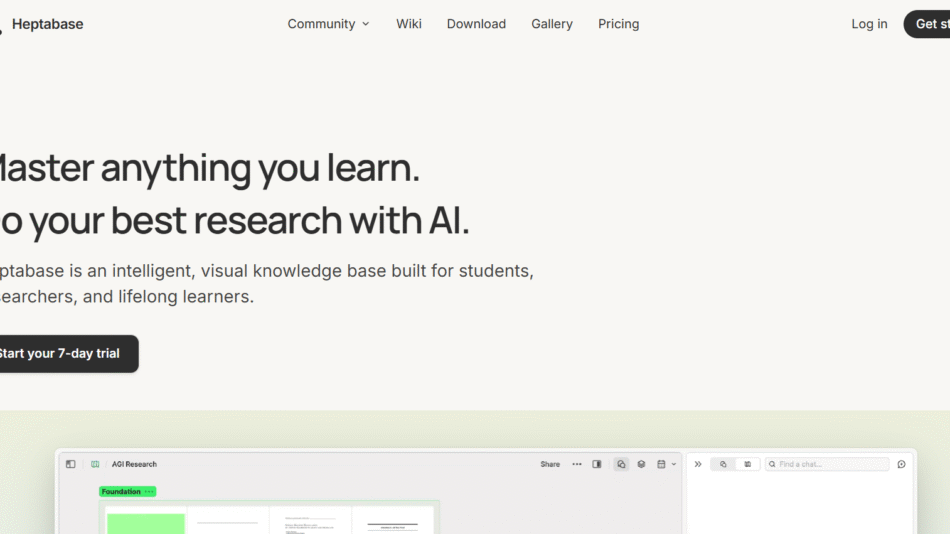
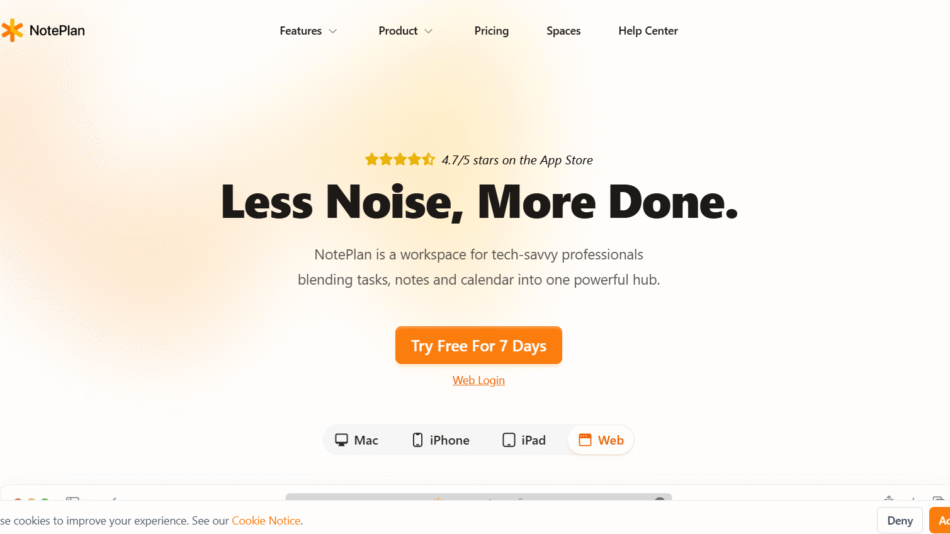
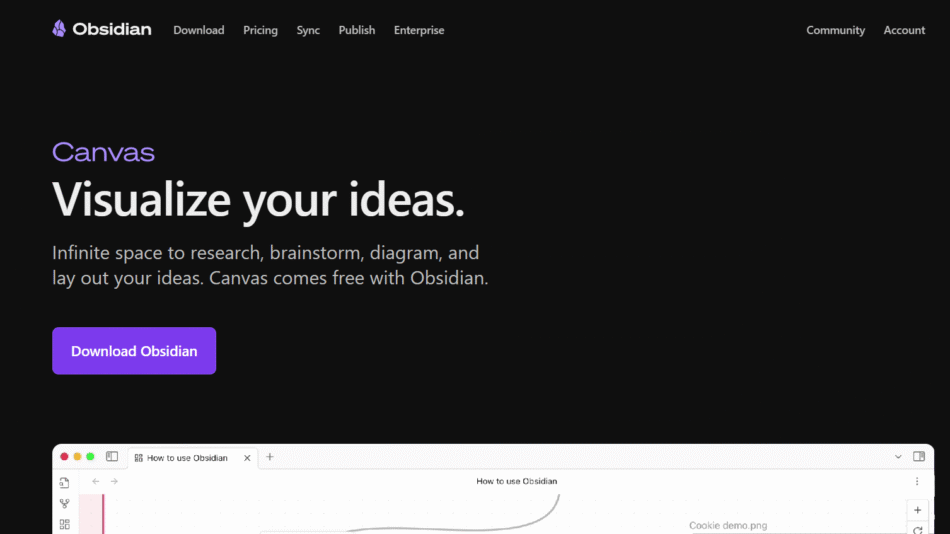
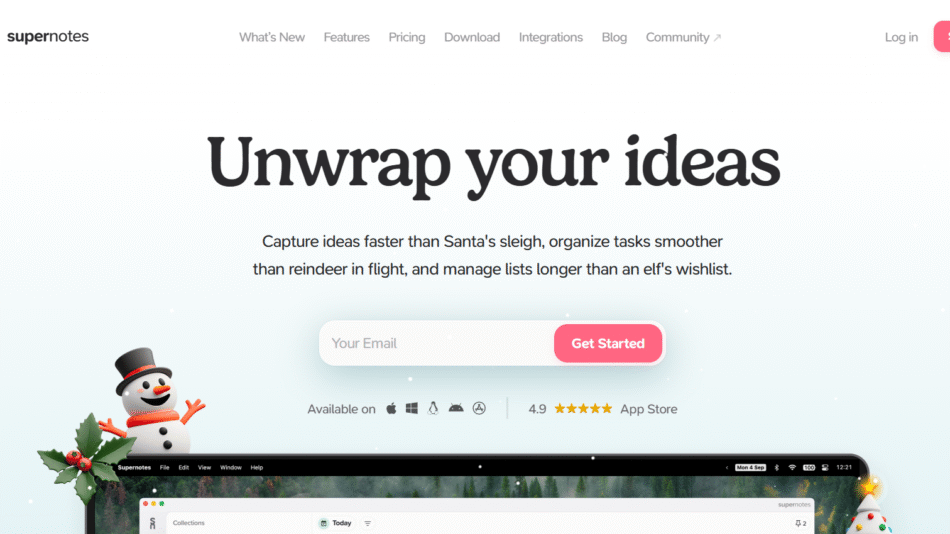
Compared to Notion, Anytype provides stronger data privacy and offline access, but lacks the same level of real-time collaboration and integrations. Unlike Obsidian, which relies heavily on markdown files and community plugins, Anytype has a more structured and visual interface. It shares similarities with tools like Logseq and Roam Research but goes further in its decentralization and encryption. Anytype is ideal for users who want a private, offline-first experience without sacrificing advanced features.
Customer Reviews and Testimonials
Early adopters have praised Anytype for its focus on privacy, design, and flexibility. Many users from Reddit, Twitter, and knowledge management communities commend the tool for empowering them to take back control of their data. The visual interface, graph view, and offline reliability are frequently highlighted. As it remains in public beta, most users are enthusiastic about its roadmap and long-term vision, although they acknowledge it’s still evolving.
You can follow ongoing discussions and community feedback on platforms like Reddit or Product Hunt when it becomes available publicly.
Conclusion
Anytype is redefining how we manage digital knowledge by putting privacy and control back into the hands of users. It offers a unique blend of flexibility, security, and offline-first functionality, making it one of the most promising tools for personal knowledge management today. While still in active development, its foundation is strong and appeals to users who value autonomy over convenience. If you’re looking for a secure alternative to cloud-based productivity tools, Anytype is a forward-thinking choice worth exploring.