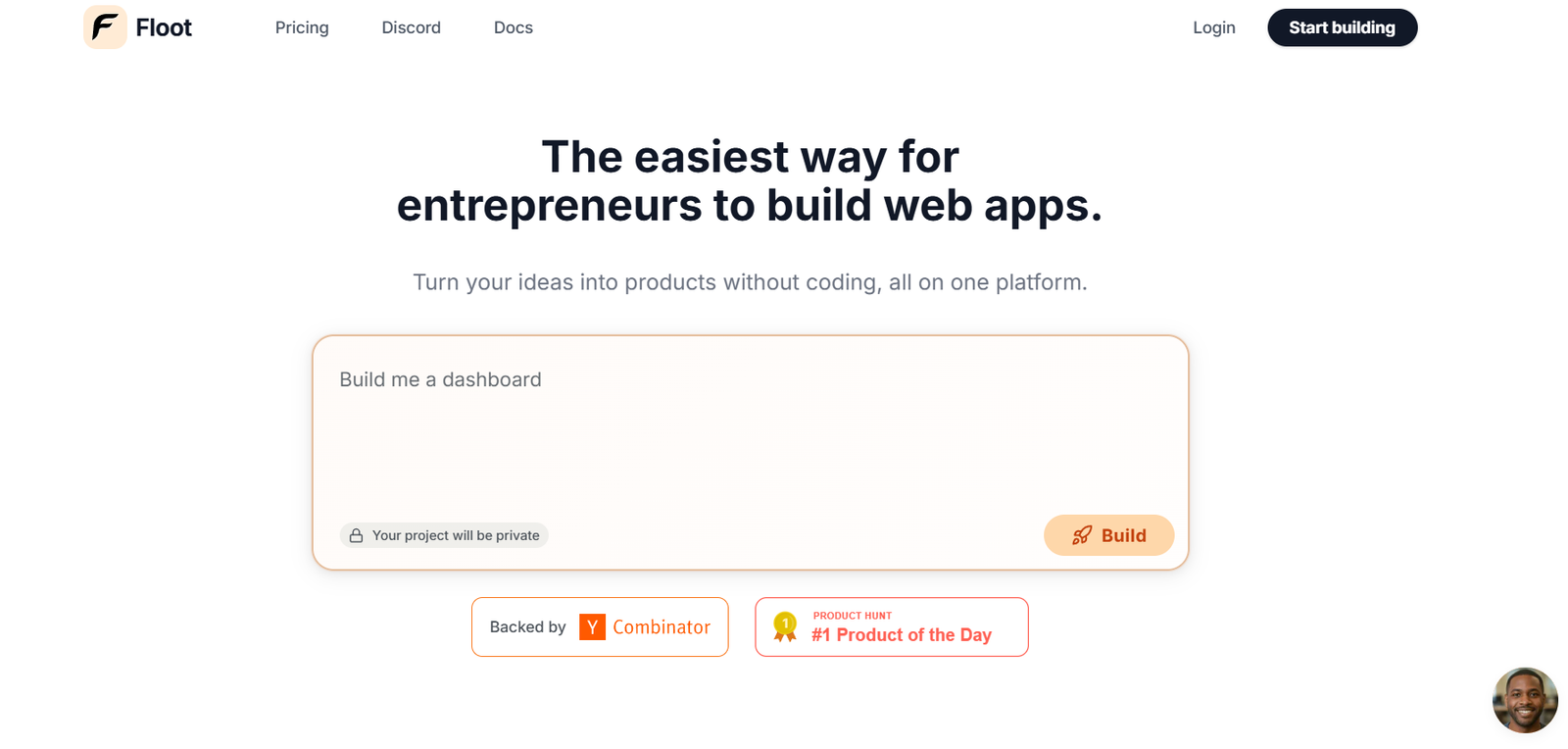
Floot is a real-time AI-powered collaboration platform designed for creative teams, product managers, and marketing professionals who need to align ideas, assets, and discussions in one unified workspace. It combines the functionality of a virtual whiteboard, creative collaboration hub, and AI assistant into a single, visually-driven platform.
At its core, Floot reimagines the way teams brainstorm, align, and execute creative projects. Whether you’re developing a campaign, designing a new product, or managing feedback loops with stakeholders, Floot offers a seamless environment where ideas move from concept to execution faster and more effectively.
By integrating real-time collaboration with AI-enhanced organization, Floot reduces creative friction and helps distributed teams stay focused and aligned.
Features
Floot is packed with features that support dynamic collaboration and fast-paced creative work:
Shared Canvas: A real-time, visual workspace where team members can add notes, media, and ideas
Smart Threads: Group conversations automatically by topic or decision point for better clarity
Voice-to-Board Transcription: Capture ideas during meetings and have them transcribed directly onto the canvas
AI Highlights: Summarizes conversations and organizes key takeaways from collaborative sessions
Idea Cards: Add sticky notes, links, visuals, and documents as modular content blocks
Multi-Modal Input: Add audio, video, links, or embedded tools into a unified canvas
Contextual Collaboration: Keep discussion and assets together, eliminating the need to jump between apps
Export and Integration: Export boards, share with stakeholders, or integrate with project management tools
These features are built to support creativity and collaboration without the disjointed experience of switching between whiteboards, docs, and messaging platforms.
How It Works
Floot functions as a shared digital workspace where teams can think, talk, and create in real time. Users enter a canvas and can begin adding voice notes, sticky notes, links, images, or videos. The platform captures live discussions, transcribes them using AI, and intelligently links ideas to relevant media or decisions.
AI-generated highlights provide a quick summary of any session, helping users revisit key points without replaying full meetings. Each contribution is organized into smart threads, keeping discussions coherent and easy to follow.
Everything on the Floot canvas is editable, collaborative, and shareable. Whether brainstorming campaign ideas or reviewing product mockups, teams can align asynchronously or live without losing creative flow.
Use Cases
Floot is designed to support a wide variety of collaborative and creative workflows:
Creative Teams planning marketing campaigns, branding sessions, or social content strategies
Product Managers aligning cross-functional teams on feature launches or roadmaps
Agencies collaborating with clients on briefs, feedback, and project direction
Remote Teams brainstorming ideas and tracking decisions in one visual space
Startups iterating on product concepts, investor decks, and positioning statements
Educational Teams capturing class discussions, project ideas, and group research in one place
Floot is especially valuable when visual thinking, fast iteration, and alignment across departments are key to progress.
Pricing
Floot currently offers early access and does not list public pricing on its website. Interested users can sign up to request access and receive updates about launch plans and subscription tiers.
Based on the platform’s target audience and features, pricing will likely depend on factors such as:
Number of team members or collaborators
Amount of storage or canvas usage
Advanced AI features or integrations
Access to export and third-party tools
To stay informed or request early access, visit https://floot.com
Strengths
Floot delivers several core advantages for modern creative and collaborative teams:
AI-enhanced real-time collaboration boosts productivity and clarity
Voice-to-text and smart summaries capture ideas without manual note-taking
Unified canvas helps reduce app-switching and keeps context intact
Supports remote and hybrid collaboration with a natural, conversation-first interface
Flexible for creative, product, and strategic planning workflows
Encourages participation through an intuitive and accessible interface
Designed with modern design and team alignment challenges in mind
Its focus on collaboration with context sets Floot apart in a crowded productivity tool space.
Drawbacks
While Floot offers a promising new approach, there are a few limitations to consider:
Still in early access, so features may evolve or be limited
No public pricing may deter some teams from early adoption
Currently optimized for team environments—less suited for solo use cases
May require some onboarding time for teams unfamiliar with visual or voice-driven tools
Lack of mobile app or offline mode as of the current launch phase
These early-stage limitations are common for new platforms and are expected to improve with user feedback.
Comparison with Other Tools
Floot differs from traditional whiteboard platforms like Miro or FigJam by focusing not just on visual collaboration but on real-time, AI-powered conversation capture and decision tracking.
Unlike project management tools such as Notion or Asana, which excel in task and documentation workflows, Floot is optimized for the ideation and alignment phase of work—before tasks are formalized.
Compared to AI transcription tools like Otter.ai, Floot doesn’t just transcribe—it organizes, contextualizes, and visually embeds discussions into collaborative canvases. It offers a full-cycle creative workspace that merges live interaction with asynchronous follow-up.
This makes Floot a new category of tool: a creative operating system for teams that rely on dialogue and visual thinking to make decisions.
Customer Reviews and Testimonials
As Floot is currently in early access, there are no public reviews on platforms like G2 or Product Hunt. However, initial users and pilot teams highlighted on the website have shared informal feedback emphasizing:
Time saved during ideation meetings and follow-ups
Strong impact on cross-functional clarity and creative alignment
Ease of turning voice conversations into visual outputs
High engagement from distributed and remote team members
Valuable as a central source of truth for creative decisions
These early insights suggest that Floot is resonating with teams who often struggle with scattered tools and misaligned conversations.
Conclusion
Floot is a forward-thinking AI workspace built for teams that thrive on creativity, collaboration, and clarity. By combining real-time conversation capture, intelligent summaries, and a shared visual canvas, it addresses a common pain point in modern work: aligning ideas across teams and turning conversations into action.
While still in early access, Floot has already carved out a unique space among collaboration tools. Its blend of voice, visuals, and AI-driven organization gives it the potential to become a foundational platform for creative teams, product launches, and strategic initiatives.