Zonability is a zoning analysis and property research platform designed to simplify complex zoning data for real estate professionals. It helps users quickly understand the development potential of properties based on zoning codes, land use policies, and building regulations.
Tailored for real estate agents, developers, planners, and investors, Zonability extracts and analyzes municipal zoning data to generate actionable insights. The platform translates complicated zoning language into user-friendly summaries, allowing professionals to identify what can be built on a parcel and how zoning affects its value and use.
Founded with a mission to increase transparency in real estate development, Zonability helps make smarter, faster decisions by making zoning data more accessible and digestible.
Features
1. Zoning Reports
Instant, easy-to-read zoning reports that summarize key development factors for a given property, such as permitted uses, height limits, and density.
2. Property Development Insights
Understand what can be built on a property based on current zoning—residential units, commercial space, height restrictions, FAR (Floor Area Ratio), and more.
3. Smart Zoning Search
Search properties based on specific zoning types or development potential to find the most suitable parcels for a project or investment.
4. Visual Mapping Interface
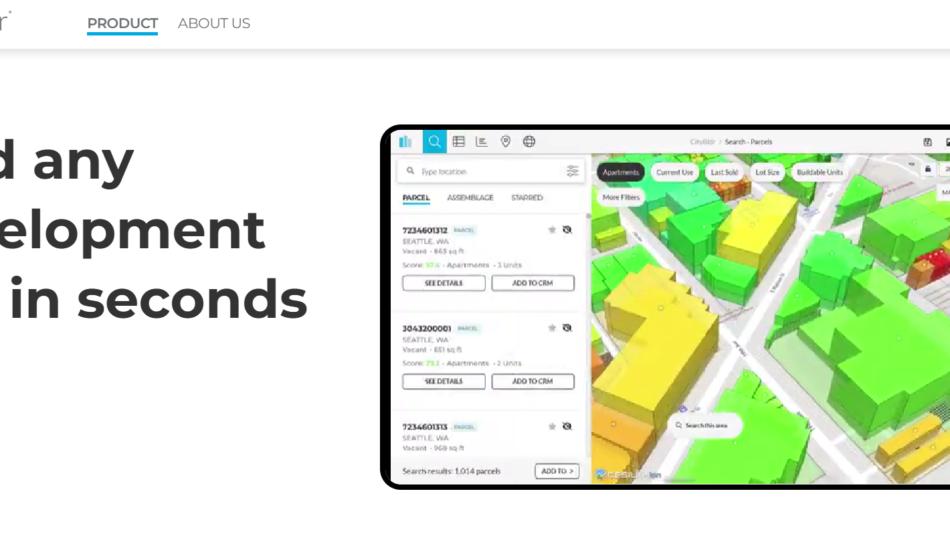
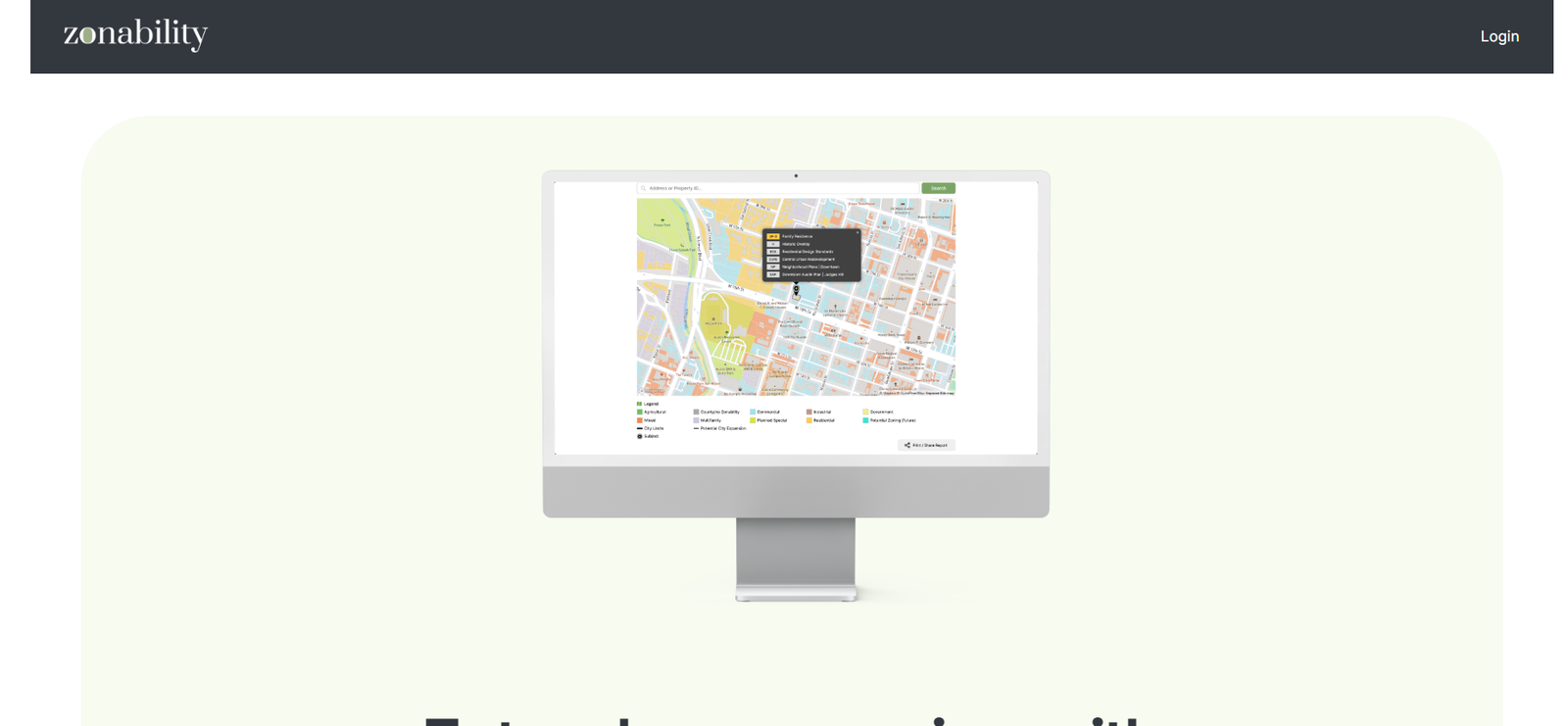
Interactive map overlays display zoning boundaries, parcels, and land use categories, helping users visually analyze zoning in context.
5. Custom Branding for Reports
White-label options allow agents and brokers to brand reports with their logo and contact details for client-facing use.
6. Developer-Focused Filters
Find properties based on redevelopment potential, opportunity zones, or zoning flexibility in a specific jurisdiction.
7. Parcel-Level Zoning Details
Drill down into individual properties to get granular zoning information, ideal for feasibility studies and deal evaluations.
8. Data Integration Capabilities
API options and integrations for enterprise clients to bring zoning insights into proprietary applications or real estate tools.
9. Market-Specific Coverage
Currently available in selected U.S. cities, with plans to expand coverage based on user demand and municipal cooperation.
10. Education and Support Resources
Glossaries, tutorials, and customer support help users understand zoning concepts and use Zonability effectively.
How It Works
Enter a Property Address or APN
Start by entering a property address or Assessor Parcel Number into Zonability’s platform.Zoning Analysis Begins
The system retrieves and interprets municipal zoning data for that specific parcel, including current zoning designation and land use regulations.View the Zoning Report
Within seconds, users receive a visual and text-based report outlining what’s allowed, possible development scenarios, and any applicable zoning constraints.Explore the Map and Filters
Use map overlays and filtering tools to compare zoning designations across neighborhoods, cities, or regions.Save, Print, or Share Reports
Users can download or share zoning reports with clients, colleagues, or investors. Reports can also be customized with company branding.
Use Cases
1. Real Estate Agents
Provide buyers and investors with quick zoning insights to support site selection and feasibility conversations.
2. Developers and Builders
Quickly evaluate multiple sites for potential construction projects, avoiding long waits for city zoning confirmations.
3. Investors and Property Buyers
Assess value-add opportunities by understanding how zoning affects current and future use potential.
4. Urban Planners
Use zoning overlays and parcel-level data to analyze neighborhood development capacity and land use trends.
5. Municipalities and Data Providers
Integrate Zonability’s tools to enhance transparency and promote responsible development through zoning education.
Pricing
Zonability operates on a custom pricing model based on the user type and scope of use (individual, team, or enterprise). While pricing is not publicly listed in detail, plans generally vary by:
Number of zoning reports needed
Geographic area of interest (city, county, or state)
Access to enterprise features (API, data integration)
Branded report options for teams and brokerages
Free Trial:
Zonability typically offers limited access or demo accounts for users to explore the platform before committing to a paid plan.
To get a custom quote or book a demo, visit:
https://www.zonability.com/contact/
Strengths
1. Simplifies Complex Zoning Language
Translates dense municipal zoning code into actionable and easy-to-read insights.
2. Ideal for Early-Stage Property Evaluation
Saves time during the due diligence process by offering instant zoning feasibility.
3. Visual and Interactive Interface
Helps users understand zoning context through layered maps and filters.
4. Custom Reports for Clients
Add branding and generate professional zoning summaries for presentations and client use.
5. Specialized Focus on Zoning
Unlike broader property data tools, Zonability focuses specifically on zoning and land use.
Drawbacks
1. Limited Geographic Coverage
Currently available only in selected U.S. markets. Users outside those areas must wait for expansion or request custom coverage.
2. No Public Pricing Transparency
Potential users must request a demo or custom quote, which may slow down adoption for individual agents or small firms.
3. Not a Full Real Estate Platform
Zonability is focused on zoning and land use—it doesn’t provide listing data, lead management, or marketing tools.
Comparison with Other Tools
Zonability vs. Reonomy
Reonomy offers broad commercial property data, including owner info and sales history, but lacks detailed zoning breakdowns. Zonability excels at zoning-specific insight.
Zonability vs. LandVision
LandVision provides GIS-based property data and mapping but is more enterprise-geared. Zonability is more accessible and intuitive for agents and smaller teams.
Zonability vs. Zillow or Realtor.com
Zillow is consumer-focused and does not provide zoning data. Zonability is built specifically for professionals needing development insights.
Customer Reviews and Testimonials
Public reviews of Zonability are limited due to its niche focus, but the platform is positively regarded by professionals in real estate, planning, and development.
What Users Say:
“Zonability saved me hours of digging through city zoning PDFs. Now I can evaluate a site in minutes.” – Real estate investor
“The visual zoning maps and reports help me explain property potential to clients without overwhelming them.” – Residential agent
On its website and presentations, Zonability highlights how its users gain a competitive advantage by accessing zoning insights early in the property evaluation process.
Conclusion
Zonability is a specialized zoning intelligence tool that bridges the gap between complex municipal codes and real estate decision-making. By turning dense zoning data into clear, actionable insights, it empowers agents, investors, and developers to make smarter property decisions faster.
With its interactive maps, branded reports, and simplified analysis, Zonability stands out as a must-have tool for real estate professionals working in site selection, development, or urban planning. While it currently serves select U.S. markets, its growth potential and unique value make it a standout solution for zoning data accessibility.