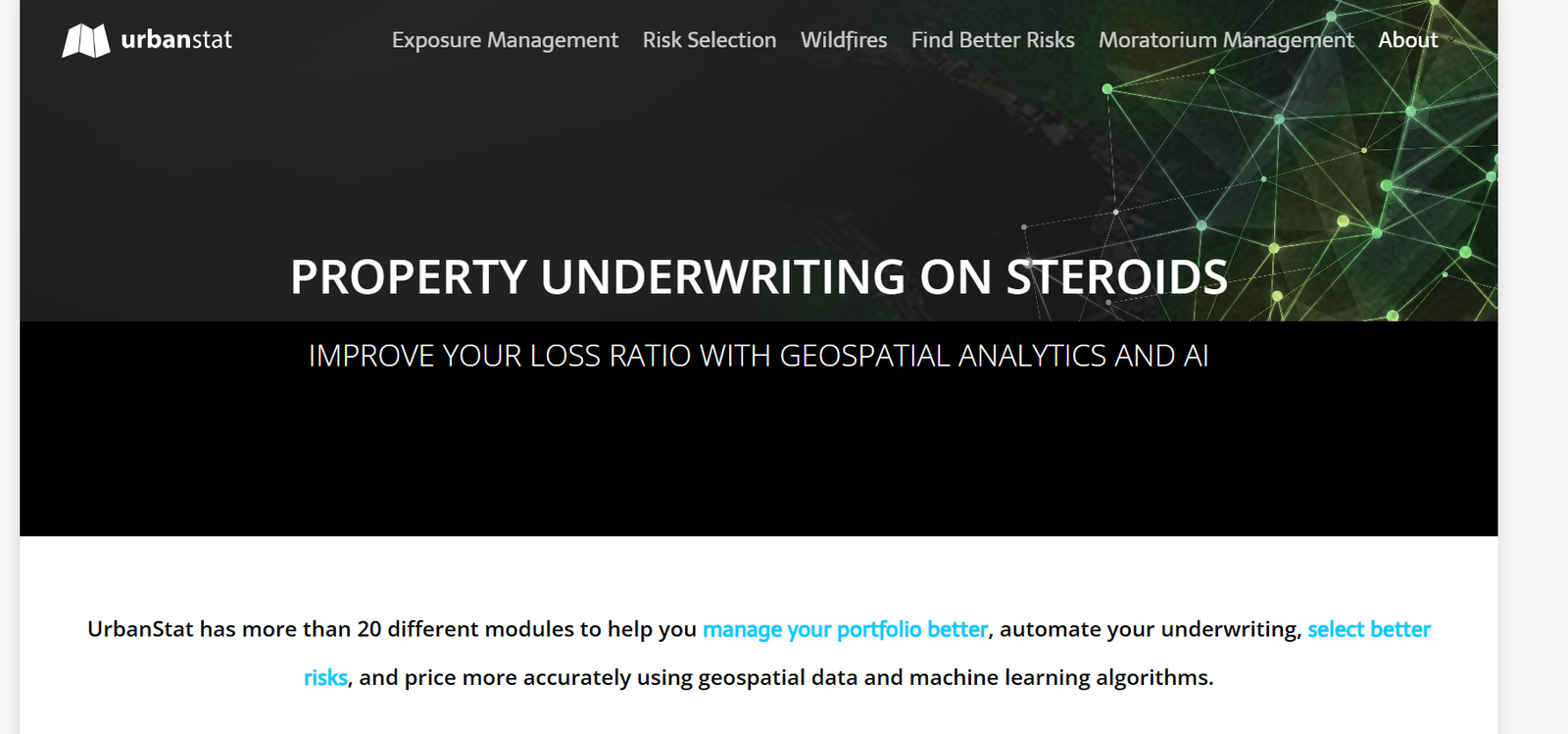
UrbanStat is an AI-powered risk analytics platform designed for insurance companies to enhance underwriting, pricing, and portfolio management. By combining geospatial data, machine learning, and historical loss analysis, UrbanStat provides deep insights into property-level and portfolio-level risks.
UrbanStat’s platform empowers underwriters and insurance executives with precise, real-time risk assessments, enabling better decision-making in areas such as wildfire exposure, crime probability, property-level hazards, and weather risks. With its intuitive dashboards and custom risk scores, UrbanStat helps insurers improve profitability, reduce loss ratios, and optimize risk selection.
Official website: https://www.urbanstat.com
Features
AI-Based Risk Scoring: Generates custom risk scores for individual properties using advanced machine learning models trained on historical data and client-specific claims history.
Geospatial Analytics: Visualize and assess risk across locations using layered maps and geospatial datasets.
Underwriting Automation: Create rule-based decision systems that automatically approve, reject, or refer underwriting decisions based on risk profiles.
Portfolio Management Tools: Analyze concentration risk, detect underpriced policies, and identify potential accumulations in disaster-prone areas.
Event Monitoring: Track ongoing natural hazard events (e.g., wildfires, floods) to assess potential exposure in real time.
Historical Loss Analysis: Integrate your own claims history to enhance model accuracy and better understand past performance.
Custom Alerts and Triggers: Receive automatic notifications for threshold breaches or anomalies within the portfolio.
Flexible Integration: API access allows UrbanStat’s risk scores and insights to be embedded directly into underwriting or policy management systems.
User-Friendly Dashboard: Clean and customizable dashboards for underwriters, actuaries, and management to access real-time insights.
Rapid Deployment: UrbanStat can be implemented within days, not months, thanks to its cloud-native architecture.
How It Works
Data Ingestion: UrbanStat integrates client-provided data, including policy information, claims history, and property characteristics.
Model Training: The platform builds machine learning models tailored to the insurer’s historical performance and regional characteristics.
Risk Assessment: Properties and portfolios are scored for multiple risk dimensions—fire, crime, flood, wind, etc.
Underwriting Decisions: The insurer can use UrbanStat’s API or dashboard to automate or guide policy-level decisions.
Ongoing Monitoring: Real-time event monitoring and dashboard alerts allow insurers to track exposures and take proactive measures.
Reporting & Optimization: Portfolio analytics highlight areas for risk adjustment, premium revision, or growth opportunities.
UrbanStat supports collaboration between underwriting, actuarial, and executive teams by offering a shared source of truth for risk data.
Use Cases
Property & Casualty Insurers: Improve underwriting accuracy for residential and commercial property policies.
Underwriters: Gain property-level risk scores and geospatial intelligence to support decision-making.
Actuarial Teams: Analyze loss history and pricing effectiveness to improve rate filings and product development.
Risk Managers: Monitor portfolio exposure to catastrophic events such as wildfires, hurricanes, and floods.
Executives: Use portfolio-level insights to guide growth strategy, capital allocation, and reinsurance negotiations.
Digital Insurance Platforms: Integrate UrbanStat risk APIs to enhance instant quote systems with precise risk-based pricing.
Pricing
UrbanStat does not provide fixed pricing on its website, as pricing is customized based on:
Number of users
Volume of properties or policies analyzed
Required features (e.g., risk modeling, API integration, portfolio management)
Data storage and processing needs
Region or country of operation
UrbanStat offers tailored solutions for small to large insurers and reinsurers. To receive a personalized quote or schedule a demo, visit:
https://www.urbanstat.com/contact
Strengths
Custom AI Models: Built using the insurer’s own data, ensuring relevance and improved accuracy.
Speed to Value: Can be deployed in days without lengthy integration projects.
Geospatial Risk Intelligence: Offers real-time mapping and data visualization for in-depth risk assessment.
Improves Loss Ratios: Helps underwriters avoid high-risk properties and identify underpriced segments.
Portfolio Optimization: Tools for managing aggregation, exposure, and growth strategy.
Seamless API Integration: Easily fits into existing underwriting or pricing systems.
Real-Time Alerts: Keep teams informed about changing risks such as active wildfires or floods.
Scalable: Designed to handle portfolios of all sizes, from regional carriers to national insurers.
Drawbacks
No Public Pricing: Requires direct contact for cost information, which may deter early-stage companies or startups.
Requires Historical Data: For optimal performance, insurers must supply detailed policy and claims data.
Industry-Specific: Geared solely toward the insurance industry; not applicable for general real estate or financial services use.
No Self-Service Trial: Currently, UrbanStat does not offer a free trial or self-service onboarding for new users.
Model Transparency: Some insurers may seek more visibility into the inner workings of proprietary AI models.
Comparison with Other Tools
UrbanStat vs. HazardHub
HazardHub offers risk data on properties via API, including hazard scores.
UrbanStat goes further by building custom models using client-specific data and offering a visual dashboard.
HazardHub focuses on raw data delivery; UrbanStat provides an end-to-end decision-support platform.
UrbanStat vs. Zesty.ai
Zesty.ai uses AI for property-level risk modeling, especially for wildfire and climate-related risks.
UrbanStat covers a wider set of perils and includes portfolio management and automation tools.
Zesty.ai emphasizes aerial imagery and property features; UrbanStat integrates historical insurer data for underwriting logic.
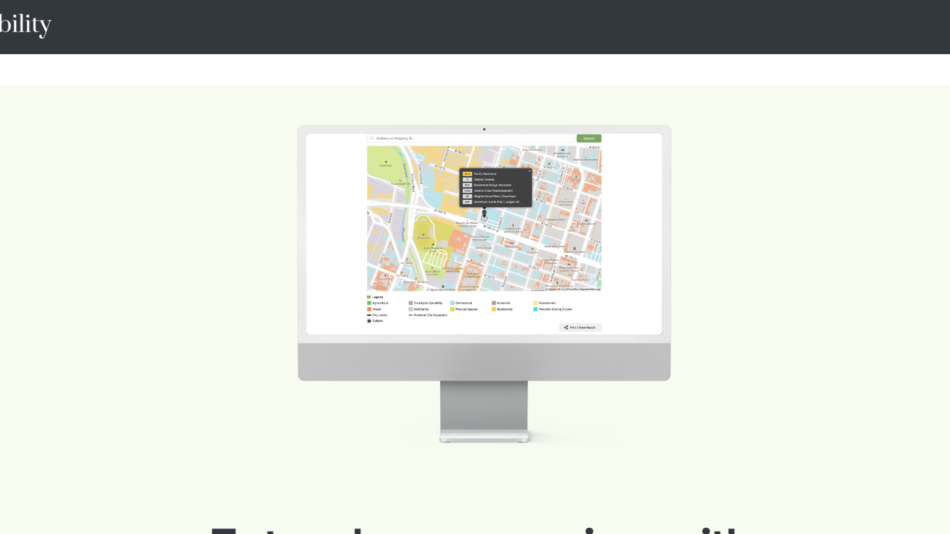
UrbanStat vs. Cape Analytics
Cape focuses on property characteristics via imagery and AI.
UrbanStat focuses on underwriting outcomes, risk scoring, and portfolio-level insights, not just data enrichment.
Customer Reviews and Testimonials
While UrbanStat does not publish customer reviews directly on its website, the company serves leading insurers and has case studies demonstrating strong results, such as:
15% improvement in loss ratios after applying UrbanStat risk scoring to underwriting decisions.
Significant reduction in underwriting time by automating high-confidence approvals and rejections.
Increased profitability through optimized pricing and better risk selection.
Client feedback from insurance industry sources indicates strong support for UrbanStat’s custom modeling and responsive implementation process.
Conclusion
UrbanStat is a high-impact risk analytics platform built specifically for the insurance industry. By leveraging AI, geospatial data, and custom modeling, UrbanStat empowers underwriters, actuaries, and executives to make smarter, faster, and more profitable decisions.
Its powerful dashboards, portfolio tools, and API integration capabilities make it ideal for modern insurers seeking to reduce losses, optimize pricing, and enhance operational efficiency. While pricing is custom and access is limited to insurers, UrbanStat delivers measurable ROI for companies ready to embrace data-driven risk management.