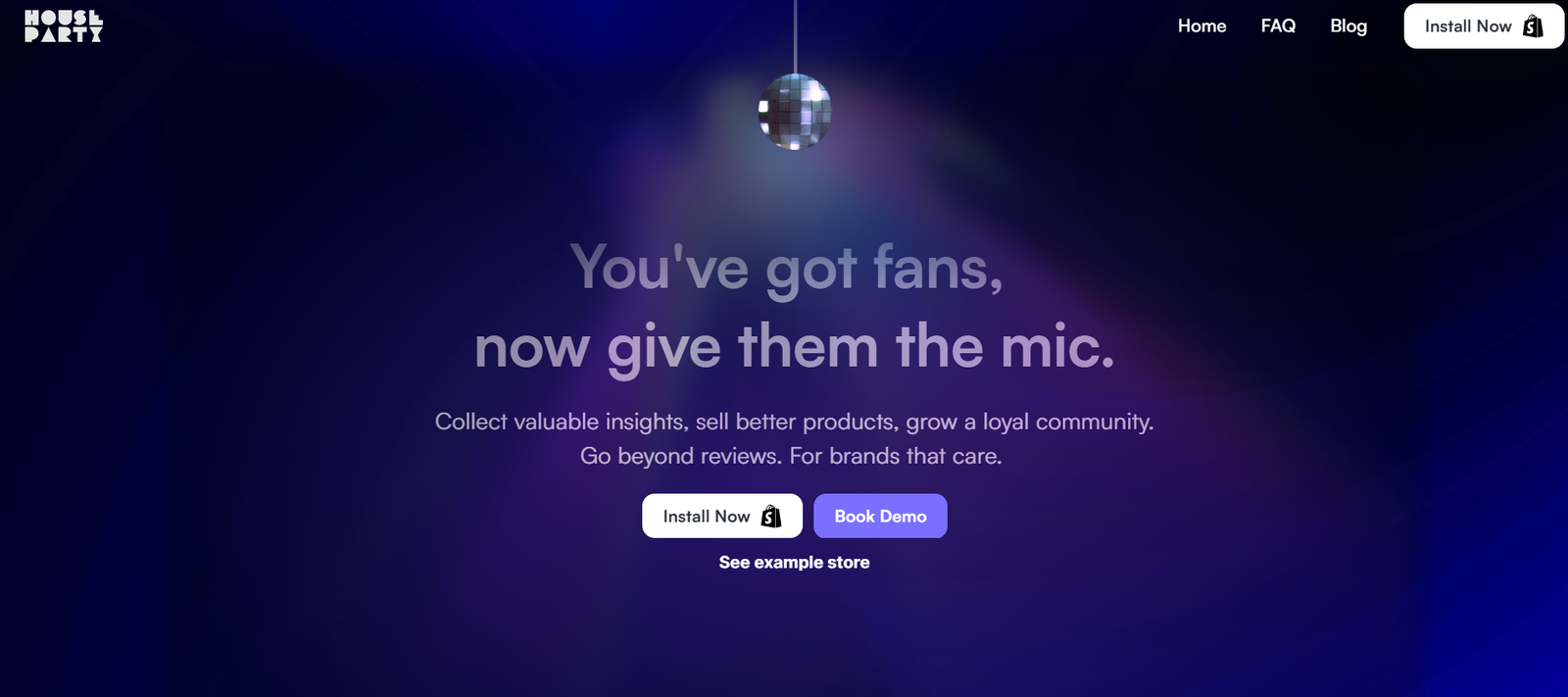
Houseparty was a once-popular group video chat app that allowed users to have spontaneous video conversations with friends and play interactive games in real time. Known for its “drop-in” video rooms and in-app social games, Houseparty gained immense popularity during the COVID-19 pandemic, serving as a digital social hub for millions of users, especially teens and young adults.
The app was initially developed by Life on Air Inc. and later acquired by Epic Games, the creators of Fortnite. Its integration with gaming and live interaction made it a unique hybrid between a messaging app and a social gaming platform.
However, despite its popularity, Houseparty was shut down in October 2021 as Epic Games shifted its focus to developing new social features within its broader ecosystem.
Features
Before its discontinuation, Houseparty offered several engaging features that contributed to its success:
Instant Video Chat: Allowed users to enter virtual rooms and immediately connect with friends via video.
Group Video Rooms: Supported up to 8 participants in a single chat room.
Social Games: Integrated multiplayer games like Heads Up!, Trivia, and Quick Draw to play during video calls.
Drop-in Access: Users could spontaneously join friends’ rooms without invitations.
Notifications for Friend Activity: Alerted users when their friends were online and available to chat.
Cross-Platform Availability: Available on iOS, Android, Chrome, and macOS.
These features made Houseparty a favorite during global lockdowns when people were looking for fun and connection from a distance.
How It Worked
Houseparty functioned as a mobile-first, real-time communication app with a focus on social interactivity. Here’s how it worked before its shutdown:
Sign Up and Add Friends: Users could sign up with a phone number or email and connect with friends from their contact lists or other platforms.
Join or Create Rooms: Once online, users could create or join video chat rooms with up to eight participants.
Start a Game or Chat: In each room, users could chat or launch a game with friends.
Open-Door Policy: Unlike traditional video calling, Houseparty enabled spontaneous drop-ins unless rooms were locked.
Cross-Platform Syncing: Conversations and games could be accessed across devices for a seamless experience.
The app encouraged frequent, casual interaction, unlike scheduled calls or formal meetings.
Use Cases
Houseparty served a wide variety of social and entertainment use cases, especially during the peak of its popularity:
Casual Video Hangouts: Perfect for virtual catch-ups with friends and family.
Game Nights: Enabled users to play built-in social games during video chats.
Virtual Study Groups: Students used it for group discussions and collaborative study.
Remote Celebrations: Hosted virtual birthday parties and celebrations.
Social Breaks During Lockdowns: Offered real-time human connection during periods of isolation.
Its ease of use and spontaneity made it ideal for real-time, informal social interaction.
Pricing
Houseparty was completely free to use. There were no subscription plans, in-app purchases, or paywalled features. All video chat, gaming, and messaging functionalities were accessible to users at no cost.
Monetization was not central to Houseparty’s model, which may have influenced its long-term sustainability.
Strengths
Houseparty had several strengths that made it stand out during its operational years:
Ease of Use: Intuitive design made it accessible for all age groups.
Spontaneity: “Drop-in” functionality mimicked real-life hangouts.
Integrated Social Games: Combined communication with entertainment.
Cross-Platform Support: Worked on mobile and desktop devices.
High User Engagement: Encouraged frequent, informal interaction.
These strengths made it a favorite app during the global rise in demand for virtual social tools.
Drawbacks
Despite its success, Houseparty also had limitations:
Privacy Concerns: Users sometimes faced unexpected drop-ins, raising privacy issues.
Limited Group Size: Maxed out at eight participants per room.
No Professional Features: Not suitable for business or formal video calls.
Lack of Monetization: No revenue model beyond user engagement.
Short Product Lifecycle: Shut down after only a few years, limiting long-term impact.
These limitations, combined with strategic business shifts at Epic Games, contributed to the platform’s closure.
Comparison with Other Tools
Houseparty offered a unique niche between casual video chat and social gaming. Here’s how it compared to similar platforms:
Versus Zoom: Zoom is designed for professional use and larger groups. Houseparty was casual, game-oriented, and capped at 8 users.
Versus Discord: Discord offers more structured communication, including servers and channels. Houseparty emphasized drop-in spontaneity.
Versus Snapchat: Snapchat offers video and chat but lacks Houseparty’s room-based interactivity and built-in games.
Versus FaceTime: FaceTime supports video calls but doesn’t offer interactive gaming features.
No direct competitor offered the same blend of real-time video chat and multiplayer mini-games in one app.
Customer Reviews and Testimonials
During its peak, Houseparty received widespread acclaim, especially during the COVID-19 lockdowns. Some real user sentiments included:
“This app saved my sanity during quarantine.”
“Love how easy it is to just hop into a room and play games with friends.”
“It’s like a virtual hangout spot—super fun!”
It had strong engagement from Gen Z and Millennials, often ranking among the top social apps in app stores during 2020.
Conclusion
Houseparty was a groundbreaking social app that blended video chat with interactive gaming, offering a unique space for casual, spontaneous connection. Its rise during the pandemic made it a household name, and its features were ahead of the curve in redefining digital socialization.
However, Houseparty was officially shut down in October 2021 by its parent company, Epic Games, which has since redirected resources toward developing new social experiences within gaming and the metaverse.
While Houseparty is no longer available, it remains a benchmark for what real-time, casual video platforms can achieve. For those seeking similar experiences today, platforms like Discord, Snapchat, or Zoom with game add-ons are popular alternatives.