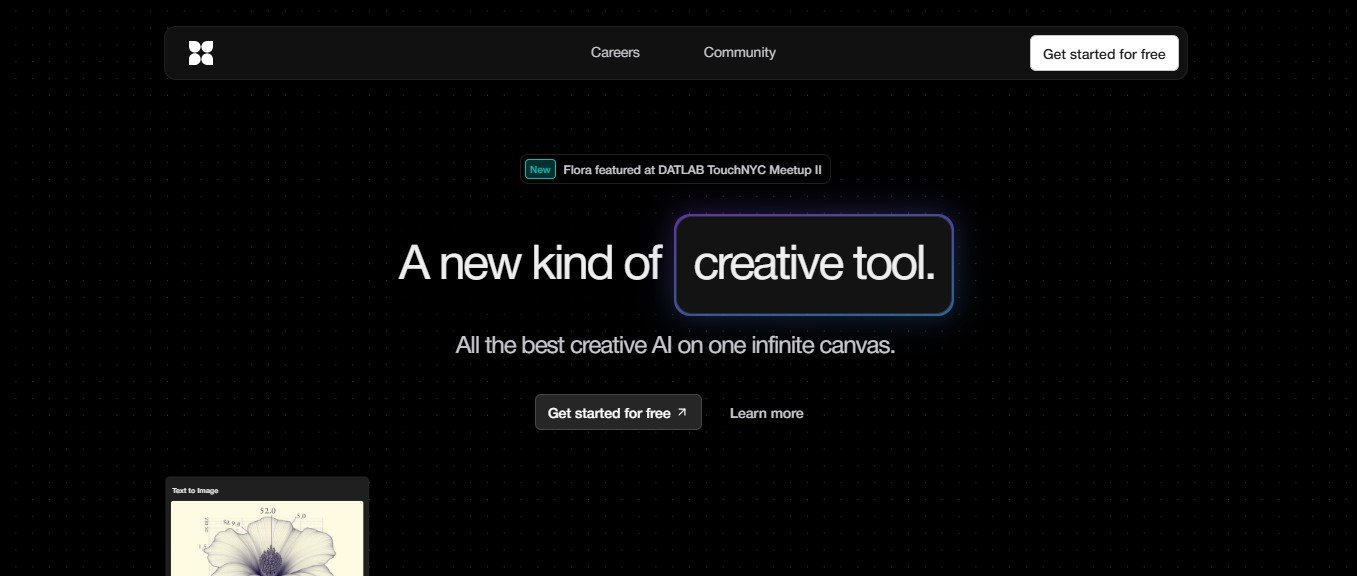
In the face of accelerating biodiversity loss and environmental challenges, technology has become a key ally in the fight to protect our planet. FloraFauna.ai emerges as an innovative AI-driven platform designed to monitor wildlife and support conservation efforts. By leveraging cutting-edge artificial intelligence, FloraFauna.ai enables scientists, researchers, and conservationists to analyze habitats, identify species, and track biodiversity with unprecedented efficiency and accuracy.
This platform simplifies the once labor-intensive process of studying ecosystems, empowering users to make data-driven decisions that positively impact conservation strategies. Whether you’re a researcher studying wildlife populations or a conservationist protecting endangered species, FloraFauna.ai provides the tools needed to monitor, preserve, and restore ecosystems.
This article explores FloraFauna.ai in detail, including its features, how it works, its pricing, and how it stands out as a vital tool for global conservation efforts.
Key Features of FloraFauna.ai
FloraFauna.ai combines advanced AI capabilities with user-friendly tools, making wildlife monitoring and conservation more accessible and efficient. Below are its standout features:
1. AI-Powered Species Identification
- Upload images or audio recordings to the platform, and the AI identifies species with high accuracy.
- Supports identification of plants, animals, and even insect species using machine learning models trained on large datasets.
2. Wildlife Monitoring with Camera Trap Integration
- Integrates seamlessly with camera traps and drones to collect data on wildlife activity.
- Automatically analyzes photos and videos, identifying species and tagging behaviors.
3. Habitat Mapping and Analysis
- Provides tools to map and analyze habitats using satellite imagery and geospatial data.
- Tracks changes in ecosystems, such as deforestation, urbanization, or climate-related impacts.
4. Biodiversity Metrics and Insights
- Generate reports on species richness, population trends, and habitat health.
- Offers predictive analytics to model future biodiversity scenarios based on current trends.
5. Real-Time Alerts
- Receive notifications for critical events, such as habitat destruction, unusual animal behaviors, or the presence of invasive species.
6. Global Species Database
- Access a comprehensive, AI-updated database of species, including detailed information on their habitats, behaviors, and conservation status.
7. Collaboration Tools
- Allows teams to collaborate on conservation projects, share data, and co-create reports in real time.
- Useful for cross-border initiatives involving NGOs, government agencies, and research institutions.
8. Open API for Custom Integrations
- Developers and organizations can use the platform’s API to integrate FloraFauna.ai capabilities into their existing systems.
9. Educational Resources
- Offers resources for citizen scientists, students, and conservationists to learn about AI applications in ecology and conservation.
How Does FloraFauna.ai Work?
FloraFauna.ai is designed to streamline wildlife monitoring and conservation workflows with minimal technical expertise required. Here’s how it works:
1. Data Collection
- Users upload images, videos, or audio files captured using camera traps, drones, or mobile devices.
- Alternatively, users can integrate satellite data or external wildlife monitoring systems directly into the platform.
2. AI Analysis
- The AI processes the data, identifying species, tracking populations, and tagging behaviors.
- For habitat monitoring, it analyzes satellite imagery to detect land-use changes, deforestation, or ecosystem degradation.
3. Insights and Reporting
- The platform generates biodiversity metrics, such as species diversity and population trends.
- Users can create detailed reports with visualizations and data summaries for decision-making or stakeholder presentations.
4. Real-Time Alerts
- The system monitors data feeds in real time and sends alerts when specific events occur, such as endangered species sightings or habitat disruptions.
5. Collaboration and Sharing
- Users can share data and insights with team members, stakeholders, or public audiences to raise awareness or coordinate conservation efforts.
Use Cases for FloraFauna.ai
FloraFauna.ai caters to a wide range of users, including researchers, conservationists, government agencies, and citizen scientists. Here are some of its most common use cases:
1. Wildlife Conservation Projects
- Track populations of endangered species and monitor their habitats.
- Detect poaching activities or the presence of invasive species in protected areas.
2. Environmental Impact Assessments
- Assess the impact of infrastructure projects, agriculture, or urbanization on ecosystems.
- Provide data to support environmental compliance and sustainability reporting.
3. Biodiversity Research
- Conduct studies on species distribution, migration patterns, and behavior.
- Use predictive analytics to model how climate change may affect biodiversity.
4. Habitat Restoration
- Monitor the success of reforestation or habitat restoration initiatives.
- Use data to guide decision-making on where to focus restoration efforts.
5. Education and Citizen Science
- Engage students and the public in wildlife monitoring initiatives.
- Use the platform’s educational resources to teach about biodiversity and conservation.
6. Protected Area Management
- Monitor the health of national parks, reserves, and other protected areas.
- Identify threats such as deforestation or illegal logging in real time.
Pricing Plans
FloraFauna.ai offers flexible pricing plans to cater to a variety of users, from individual researchers to large organizations. Below is an overview of the pricing structure (refer to the FloraFauna.ai website for the latest details):
1. Free Plan
- Includes basic species identification and limited data uploads.
- Ideal for hobbyists and citizen scientists.
2. Pro Plan
- Price: $49/month.
- Features: Advanced species identification, habitat analysis, and custom reports.
- Suitable for individual researchers and small conservation projects.
3. Team Plan
- Price: $199/month.
- Features: Collaboration tools, increased data limits, and real-time alerts.
- Designed for NGOs, research groups, and small organizations.
4. Enterprise Plan
- Custom Pricing: Tailored for large-scale projects or organizations.
- Features: API access, white-label options, and priority support.
Strengths of FloraFauna.ai
- AI-Driven Accuracy
- Identifies species and analyzes habitats with precision, reducing manual effort and improving accuracy.
- Comprehensive Toolset
- Combines species identification, habitat analysis, and biodiversity tracking in a single platform.
- Scalability
- Suitable for individual users, small teams, and large-scale organizations.
- Global Collaboration
- Enables cross-border teams to work together on conservation projects seamlessly.
- Educational and Accessible
- Offers resources for citizen scientists and students, making it ideal for educational use.
Drawbacks of FloraFauna.ai
- Pricing for Larger Projects
- Costs may be prohibitive for smaller organizations or researchers running large-scale studies.
- Internet Dependency
- Requires an internet connection to process data and access insights.
- Focus on Flora and Fauna
- While excellent for biodiversity, it may lack features for broader environmental analysis, such as air or water quality monitoring.
Comparison with Competitors
FloraFauna.ai competes with tools like iNaturalist, Wildbook, and Google Earth Engine. Here’s how it stands out:
- iNaturalist: Focused on citizen science and public engagement, while FloraFauna.ai offers more advanced tools for researchers and conservationists.
- Wildbook: Specializes in individual animal identification (e.g., whale sharks, giraffes), whereas FloraFauna.ai provides broader biodiversity monitoring.
- Google Earth Engine: Powerful for environmental analysis but requires technical expertise; FloraFauna.ai is more user-friendly and specialized for species and habitat analysis.
Customer Reviews and Testimonials
Here’s what users are saying about FloraFauna.ai:
- Sarah L., Conservation Biologist:
“FloraFauna.ai has streamlined our wildlife monitoring efforts. The AI-powered species identification has saved us countless hours of manual analysis!” - David T., National Park Manager:
“The habitat mapping tools are phenomenal. We can now track deforestation and ecosystem health in real time.” - Emma R., Citizen Scientist:
“As someone new to conservation, I love how easy FloraFauna.ai is to use. It’s exciting to contribute to real-world research!”
Conclusion
FloraFauna.ai is a revolutionary platform that empowers conservationists, researchers, and organizations to protect biodiversity more effectively. With its AI-powered species identification, habitat mapping, and real-time insights, it transforms the way ecosystems are studied and preserved.
Whether you’re managing a national park, conducting research on endangered species, or contributing as a citizen scientist, FloraFauna.ai provides the tools and insights you need to make a meaningful impact.
Visit the official FloraFauna.ai website to explore the platform and join the movement to protect the planet’s incredible biodiversity.