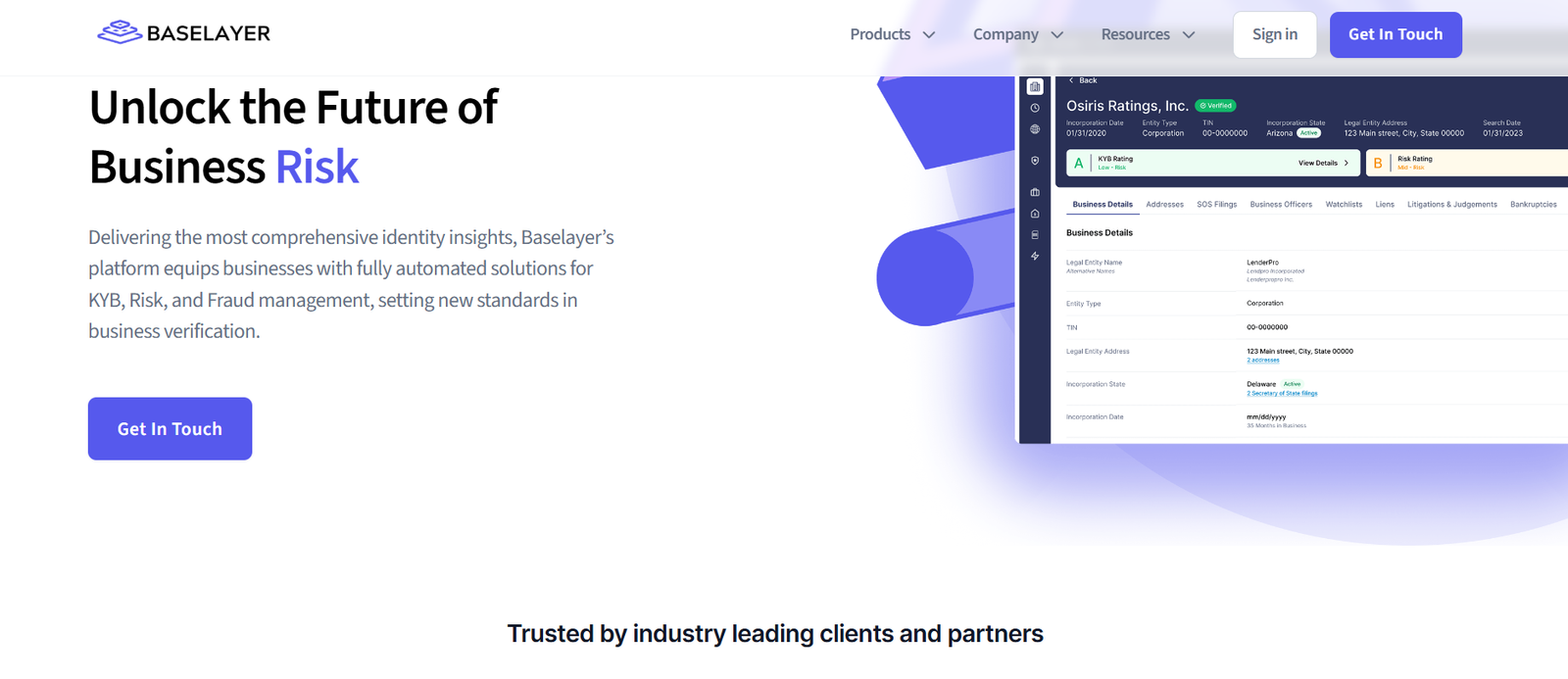
BaseLayer is a purpose-built AI operations platform that acts as a co-pilot for operations teams. It connects to your existing tools, understands your workflows, and enables you to automate routine processes, track operational metrics, and collaborate across teams in real time.
Unlike traditional workflow automation tools, BaseLayer uses natural language and AI reasoning to monitor business health, detect anomalies, and take action proactively. It’s designed for BizOps, RevOps, Finance, and Customer Operations teams who need agility without relying on engineering resources.
BaseLayer doesn’t just automate tasks—it becomes a teammate that understands your systems, executes workflows, and keeps operations on track.
Features
Natural Language Interface
Interact with BaseLayer like you would with a teammate. Ask it to generate reports, check KPIs, or update systems using plain language.
AI Workflow Engine
Automate complex workflows with AI logic that adapts to data changes, timing, and conditions without writing code or building rigid rules.
Real-Time Business Monitoring
Track key metrics, SLAs, and workflow statuses. Get alerts when something breaks or deviates from expectations.
Cross-System Integration
Connect BaseLayer to your tech stack—Slack, Salesforce, HubSpot, Airtable, Notion, and dozens more—to sync data and trigger automations.
Collaboration and Task Management
Assign tasks, escalate issues, or hand off workflows across departments with built-in tracking and Slack integration.
Playbooks for Ops Teams
Use pre-built and customizable playbooks for common operational processes—like pipeline hygiene, quote-to-cash, renewal workflows, or onboarding.
Data-Aware Actions
BaseLayer doesn’t just automate workflows—it understands the underlying data context to make informed decisions and route tasks accordingly.
How It Works
Connect Your Tools
BaseLayer integrates with your business apps via APIs and connectors—no coding needed.Define Workflows or Playbooks
Use pre-built templates or describe your workflow in natural language. The AI sets up logic, actions, and conditions.Let the AI Co-Pilot Take Over
BaseLayer continuously monitors your operations and performs tasks such as updating records, flagging issues, or notifying stakeholders.Collaborate and Iterate
Use Slack or the BaseLayer dashboard to get updates, ask questions, assign tasks, and refine workflows based on feedback.Measure and Optimize
Track operational health with built-in dashboards and let the system suggest optimizations based on performance data.
Use Cases
Revenue Operations
Keep pipelines clean, update CRM fields, monitor conversion metrics, and ensure smooth handoffs between teams.
Customer Success Ops
Track onboarding progress, escalate customer issues, and manage account renewals using playbooks and automated triggers.
Finance and Billing
Automate invoice workflows, alert teams to failed payments, and sync contract details across systems.
Founders and Operators
For early-stage teams without full ops departments, BaseLayer acts as a plug-and-play business backbone to run recurring tasks and updates.
Support and SLAs
Ensure SLAs are met by tracking tickets, assigning follow-ups, and escalating delays automatically.
Pricing
As of July 2025, BaseLayer does not list public pricing on its website. Instead, it offers custom pricing based on:
Number of users
Volume and complexity of workflows
Integration needs
Support and onboarding scope
To explore pricing or schedule a custom demo, users are encouraged to contact the BaseLayer team through https://baselayer.com and request early access.
Strengths
AI-first platform that handles both monitoring and execution
No-code setup allows non-technical ops teams to deploy complex workflows
Slack-native experience for seamless team collaboration
Real-time alerts and issue detection
Supports both proactive and reactive automation
Pre-built playbooks accelerate time to value
Drawbacks
Currently in early access, so full platform documentation and case studies may be limited
Custom pricing may not suit smaller or solo teams
Effectiveness depends on integration coverage and internal process clarity
Advanced features may require some learning curve despite natural language interface
Comparison with Other Tools
BaseLayer offers a fundamentally different approach from traditional automation platforms like Zapier or Make, which are rule-based and designed for tech-savvy users. While those tools focus on task chaining, BaseLayer focuses on end-to-end operational workflows that are AI-powered and monitored continuously.
Compared to enterprise RPA (robotic process automation) platforms like UiPath or Workato, BaseLayer is more accessible for business operations teams and offers real-time collaboration features that integrate with Slack.
It’s also distinct from general AI assistants like ChatGPT, as it is deeply embedded in your operational systems and purpose-built for execution, not just answering questions.
Customer Reviews and Early Feedback
Since BaseLayer is currently in early access, full case studies are not yet published. However, early users—including RevOps and BizOps teams at tech startups—report the following:
Faster onboarding of operational workflows
Reduced reliance on engineering for automation projects
Improved SLA tracking and cross-team coordination
Fewer dropped tasks and missed handoffs
The team behind BaseLayer encourages businesses to apply for early access and see the platform in action via a guided walkthrough.
Conclusion
BaseLayer is redefining how modern teams think about operations by combining AI automation, natural language interfaces, and workflow intelligence into one unified platform. It empowers non-technical users to create, monitor, and manage complex business workflows—without writing code or depending on engineering support.
If your operations team is spending too much time in spreadsheets, chasing tasks, or trying to connect the dots across tools, BaseLayer offers a smarter, scalable alternative.