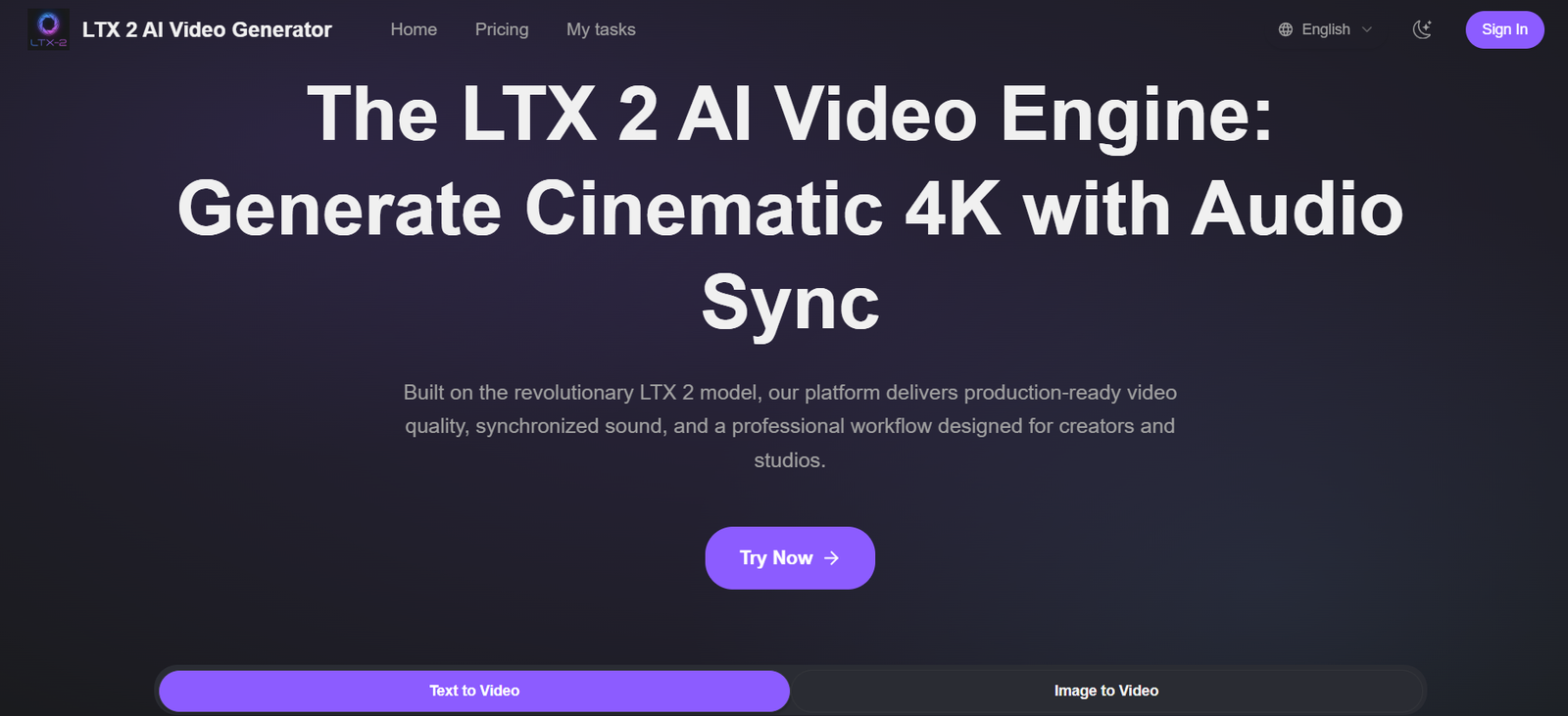
LTX Studio is an advanced AI storytelling platform that allows users to create cinematic video stories by generating scripts, characters, scenes, and visuals — all in one seamless workflow. Built for creators, marketers, filmmakers, and storytellers, LTX Studio combines the power of generative AI with narrative structure to turn simple ideas into complete video projects.
Unlike generic text-to-video tools, LTX Studio focuses on storytelling from the ground up. Users can build a full cinematic vision with AI-assisted direction, characters with consistent looks, dialogue, visual styling, and scene generation. It offers end-to-end creative control while dramatically reducing the time and cost of video production.
Whether you’re crafting a sci-fi short film, a product launch teaser, or an animated explainer, LTX Studio is designed to help you bring your creative ideas to life — without needing a film crew, actors, or design software.
Features
LTX Studio’s core strength lies in its ability to transform an idea into a structured video narrative. The process begins with a simple prompt or storyline, from which the AI generates a script, visual direction, characters, and scenes.
Users can create and customize characters, ensuring consistency across the entire video. The platform allows you to define a character’s appearance, personality, and role, then use them across multiple scenes with continuity.
The scene editor gives users control over camera angles, visual tone, and pacing. It automatically generates cinematic shots based on the script, while allowing manual adjustments for creative refinement.
Another unique feature is dialogue generation. The AI can generate and refine conversations between characters based on the story context, ensuring that the dialogue sounds natural and supports the narrative flow.
LTX Studio also provides storyboard previews and animated scene sequencing. You can preview each part of your film before final rendering, making it easier to iterate on the story and visuals.
Projects can be exported as high-quality videos, with future support expected for audio tracks and voice synthesis.
How It Works
Using LTX Studio begins with entering a basic idea or prompt. The AI then generates a structured narrative that includes a title, synopsis, and multi-scene breakdown.
Once the story is outlined, users can begin customizing characters. You can define their looks, style, personality traits, and even visual references. These characters are then placed into the generated scenes for consistency across shots.
The scene editor allows you to refine each sequence. You can adjust framing, mood, lighting, and color tones to match your intended aesthetic.
Dialogue is either generated automatically or edited manually, and users can control how the conversation unfolds within scenes.
Once the storyline is complete, the video can be previewed through an interactive storyboard and exported as a cinematic video. The process is entirely browser-based and requires no external editing software.
Use Cases
LTX Studio is ideal for filmmakers and indie creators who want to prototype or produce short films without a full production team.
Marketing professionals and agencies can use it to create branded video content, product launch videos, or explainer stories with a cinematic edge.
Educators and instructional designers can use the platform to develop engaging learning materials or animated storytelling experiences.
Game developers and concept artists can use LTX Studio to visualize narratives, character arcs, and scene progression during early development phases.
Content creators and influencers can use the tool to produce visual storytelling videos for YouTube, TikTok, or Instagram with minimal resources.
Pricing
As of the current public beta, LTX Studio is available by waitlist. Users can sign up for early access on the official website.
Pricing details have not yet been published, but the tool is expected to follow a subscription model with tiered plans for individual creators, studios, and enterprise teams.
Based on industry standards for AI video tools, pricing may range from a free or limited trial to monthly or annual plans with access to full features, export capabilities, and storage.
Subscribers will likely benefit from faster rendering, advanced customization, and priority access to new features as the platform develops.
Strengths
LTX Studio provides a full creative workflow for video storytelling, from script to final cut. Its integrated approach sets it apart from fragmented tools that only handle part of the process.
The ability to define characters and carry them across scenes ensures narrative and visual consistency.
Its intuitive UI and browser-based access make it accessible to creators of all skill levels, without requiring video editing experience.
The AI-driven narrative structuring and dialogue writing help streamline the creative process while still offering manual control.
Its storyboard and scene editor provide transparency and flexibility throughout production, allowing for quick revisions and experimentation.
Drawbacks
LTX Studio is currently in limited release, and not all users can access the tool immediately. This restricts immediate use for creators seeking urgent projects.
The platform does not yet support custom voiceover or audio, which may limit storytelling depth until audio features are added.
Rendering times and video export performance may depend on server capacity, which can fluctuate during beta phases.
There is currently no mobile version, so the tool must be used on desktop.
High-quality video rendering may be restricted to paid plans in the future, which could affect users with limited budgets.
Comparison with Other Tools
LTX Studio stands out from AI tools like Pika Labs, Runway, and Kaiber by offering a more structured, narrative-first approach to video creation.
While tools like Runway focus on video editing and AI effects, and Kaiber excels at stylized motion art, LTX Studio provides a full storytelling pipeline.
Compared to Synthesia, which focuses on avatar-based corporate videos, LTX Studio is geared more toward creative, character-driven storytelling.
Unlike Descript or Canva, which offer video editing and simple templates, LTX Studio offers cinematic production capabilities with a focus on scene continuity, character development, and creative control.
It competes most closely with storyboarding tools or previsualization software, but adds AI-driven automation and creative assistance.
Customer Reviews and Testimonials
As of now, LTX Studio is in private beta and has limited public reviews. However, early users and creators who have shared demos on platforms like Twitter and LinkedIn have praised the tool’s potential.
They highlight the intuitive scene generation, smooth character continuity, and the ability to go from concept to visual story in a fraction of the traditional time.
Filmmakers and indie creators have described LTX Studio as a game-changer for prototyping and creative experimentation.
Marketers and creative directors have noted how the tool enables faster turnaround for client presentations and pitches.
As more users gain access, structured reviews and detailed testimonials are expected to follow on platforms like Product Hunt, G2, and YouTube.
Conclusion
LTX Studio is redefining how creators produce video stories by merging the power of AI with cinematic storytelling. Its unique ability to go from idea to full narrative video — complete with scripts, characters, and scenes — makes it a powerful tool for modern content creation.
Whether you’re an indie filmmaker, a marketer, or a storyteller looking to visualize your ideas quickly, LTX Studio offers a groundbreaking approach to video production.
With its focus on narrative clarity, visual consistency, and AI-enhanced creativity, LTX Studio represents a new frontier in how stories are told and shared.